Pseudognaphalium, Genus, californicum, Species,
- Genus & species
California cudweed
Western United States and northwestern Mexico
SunFull Sun
Overview
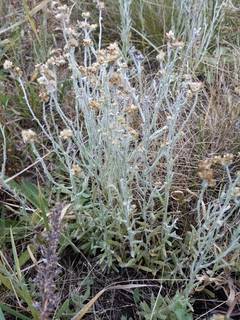
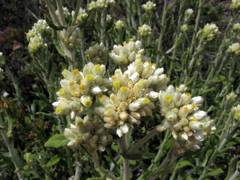
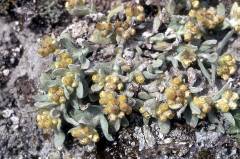
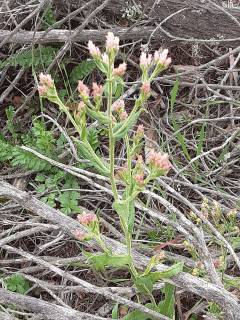
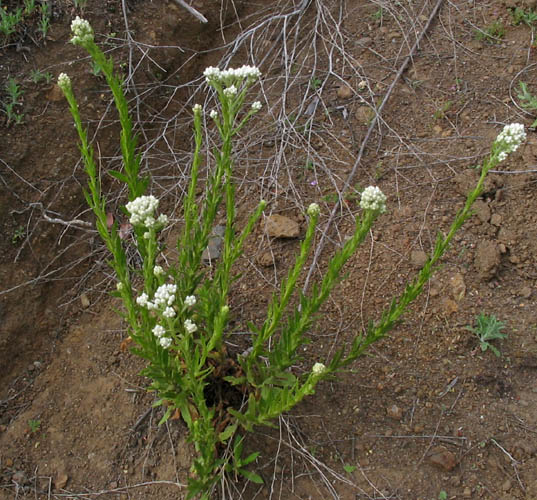
Pseudognaphalium californicum is an aromatic annual or short-lived biennial native to California and the wider western United States, growing 1-3 feet (30-90 cm) tall on erect, branching stems. The lance-shaped leaves are bright green and sticky to the touch, clasping the stem and releasing a sweet, maple-syrup or curry-like scent when bruised. From late winter into summer the stems are topped with rounded clusters of small flower heads wrapped in papery, pearly-white bracts around a pale yellow center. These dry, straw-textured bracts hold their shape long after bloom, the trait behind the everlasting common name. P. californicum grows on dry slopes, chaparral, open woodland, and disturbed ground, often appearing after fire. It tolerates heat, drought, and lean rocky soils in full sun. The plant is short-lived and dies after setting seed, persisting in gardens mainly by self-sowing. Its loose, weedy form suits informal plantings more than formal beds. It completes its cycle within one or two seasons.
Native Range
Native to the western United States and northwestern Mexico, from Oregon and California south into Baja California and east to Arizona. It grows on dry slopes, in chaparral and open woodland, and on disturbed ground, often flushing after fire.Suggested Uses
Planted in native, wildlife, and low-water gardens, and in restoration of dry slopes and burned ground. Its everlasting flower clusters are cut and dried for arrangements, and it supports butterflies as a larval host.How to Identify
Appearance
Size & Dimensions
Height1' - 3'
Width/Spread1' - 2'
Bloom Information
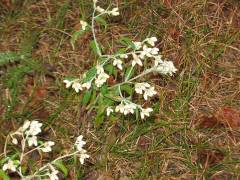
Clusters of papery white flower heads open from late winter into summer, generally February through July depending on rainfall. The flowers draw bees, butterflies, and other insects, and the plant is a larval host for the American lady butterfly. Wind-borne seeds follow, carrying the plant to new ground.
Detailed Descriptions
Flower Description
Pearly white with pale yellow centerFoliage Description
Bright greenGrowing Conditions
Sun Requirements
Requires 6-10 hours of direct sunlight daily
• Full Sun: 6+ hours of direct sunlight
• Partial Shade: 3-6 hours of direct sunlight
• Full Shade: Less than 3 hours of direct sunlight
Water & Climate
Water Needs
Drought Tolerance
Drought tolerant when established
Care & Maintenance
Care Guide
Grow P. californicum in full sun and fast-draining, lean soil; it tolerates sand, rock, and drought once established. Sow seed in fall or early spring, pressing it onto the surface since it needs light to germinate. Water sparingly, as rich soil and frequent irrigation shorten the plant's life and cause floppy growth. It self-sows where soil is left open, returning year to year without replanting. No staking, feeding, or routine care is needed in suitable ground. Remove plants after seed set if self-sowing is not wanted.Pruning
No pruning is needed. Cut the dried flower stems for everlasting arrangements while the bracts are fresh and white. Pull spent plants after seed drop to manage where seedlings appear.Toxicity
Non-toxicPlanting Guide
Planting Methods & Timing
Planting Method
direct sow
Direct Sow Timing
Fall or early spring
Days to Maturity
90–150 days
Plant Spacing
12 inches