Overview
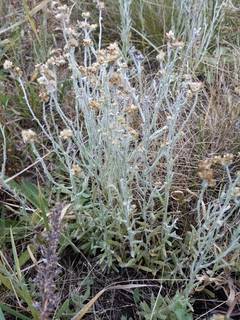
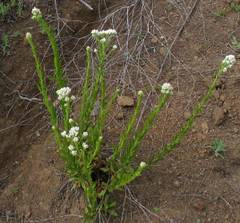
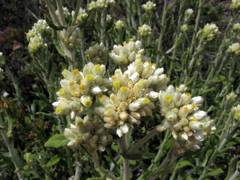
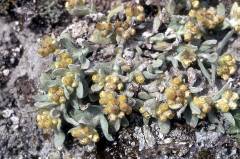
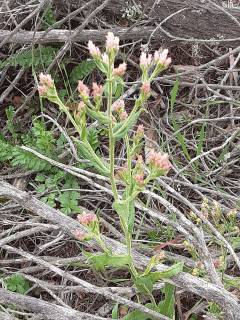
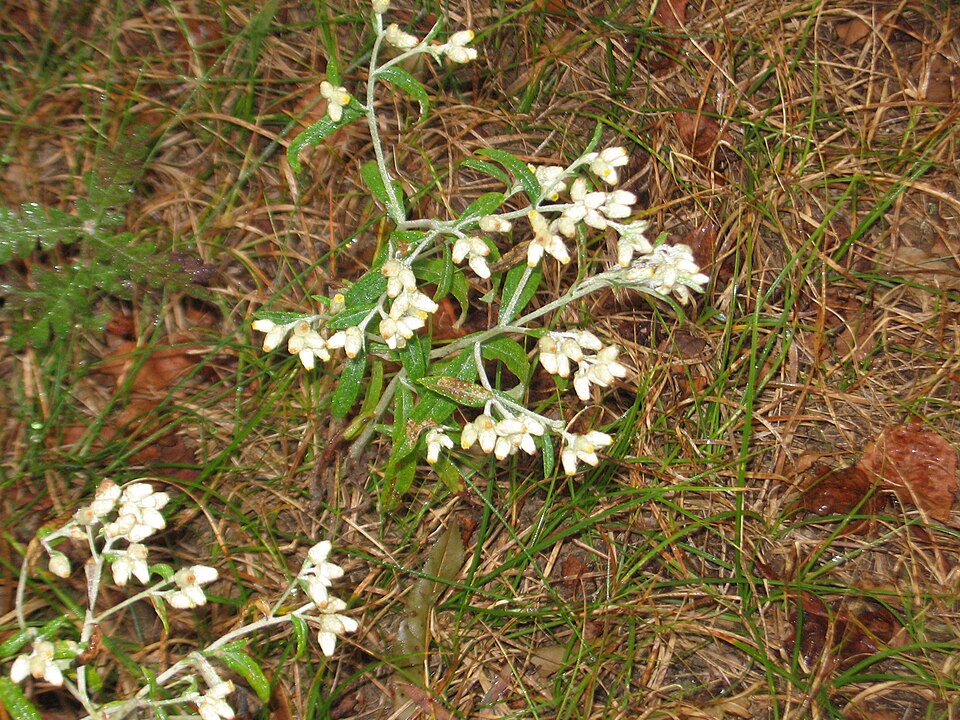
Pseudognaphalium obtusifolium is an upright annual or biennial herb in the daisy family, native to eastern and central North America, growing 1-3 feet (30-90 cm) tall on white-woolly stems. The narrow, lance-shaped leaves are 1-4 inches (2.5-10 cm) long, green and nearly smooth above and densely white-felted beneath, with bases that clasp the stem. From late summer into fall the branched stem tips carry many small, rounded flower heads, each enclosed in dry, papery, pearly-white bracts surrounding tiny yellowish disc florets, without ray florets. Crushed foliage and dried plants give off a sweet scent often likened to maple syrup or tobacco. The papery heads hold their shape when dried. It grows in dry, open fields, sandy clearings, roadsides, and disturbed ground, tolerating poor soil and drought, and it completes its life cycle in one or two years, persisting by seed.
Native Range
Native to eastern and central North America, ranging across southern Canada and most of the eastern and central United States, from the Atlantic coast west to the Great Plains and south to Texas and Florida. It grows in dry fields, sandy barrens, open woods, and disturbed sites.Suggested Uses
Used in native, meadow, and pollinator plantings, sandy or gravel gardens, and dried-flower arrangements where the papery heads last. Its short life and need for open, dry ground make it less suited to rich borders or shaded beds.How to Identify
Appearance
Size & Dimensions
Height1' - 3'
Width/Spread8" - 1'6"
Bloom Information
Flowering runs from late summer into fall, roughly August to October. The branched stems carry many small, papery white heads that open over several weeks and draw bees, wasps, and butterflies, including American lady caterpillars that feed on the foliage. Dry seeds tipped with white bristles follow and scatter on the wind.
Detailed Descriptions
Flower Description
pearly white with yellow centersFoliage Description
green above, white-woolly beneathGrowing Conditions
Sun Requirements
Requires 6-12 hours of direct sunlight daily
• Full Sun: 6+ hours of direct sunlight
• Partial Shade: 3-6 hours of direct sunlight
• Full Shade: Less than 3 hours of direct sunlight
Water & Climate
Water Needs
Drought Tolerance
Drought tolerant when established
Care & Maintenance
Care Guide
Grows in full sun on dry, well-drained sandy or rocky soils of low fertility and tolerates heat, drought, and poor ground. It is suited to USDA zones 3-9 as an annual or biennial that dies after setting seed, returning from self-sown seedlings. Rich, moist, or shaded soils produce weak, floppy growth and shorten its already brief life. Little or no watering is needed once seedlings establish. It self-sows in open, bare ground and rarely persists in dense, competitive plantings. Few pests trouble it, and good air movement limits the mildew that can appear in crowded, damp conditions.Pruning
No routine pruning is needed for this short-lived herb. Stems can be cut for dried arrangements as the papery heads open, and whole plants can be pulled after seed set to limit spread. Spent plants are easily removed at the end of the season.Container Growing
Suitable for container growing
Minimum container size: 2 gallons
Toxicity
Non-toxicPlanting Guide
Planting Methods & Timing
Planting Method
direct sow
Direct Sow Timing
fall or early spring
Plant Spacing
12 inches