Platycodon, Genus, spp., Multiple species,
- Genus
- Multiple species
balloon flower
Overview
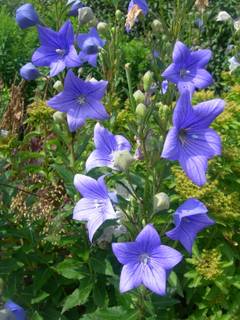
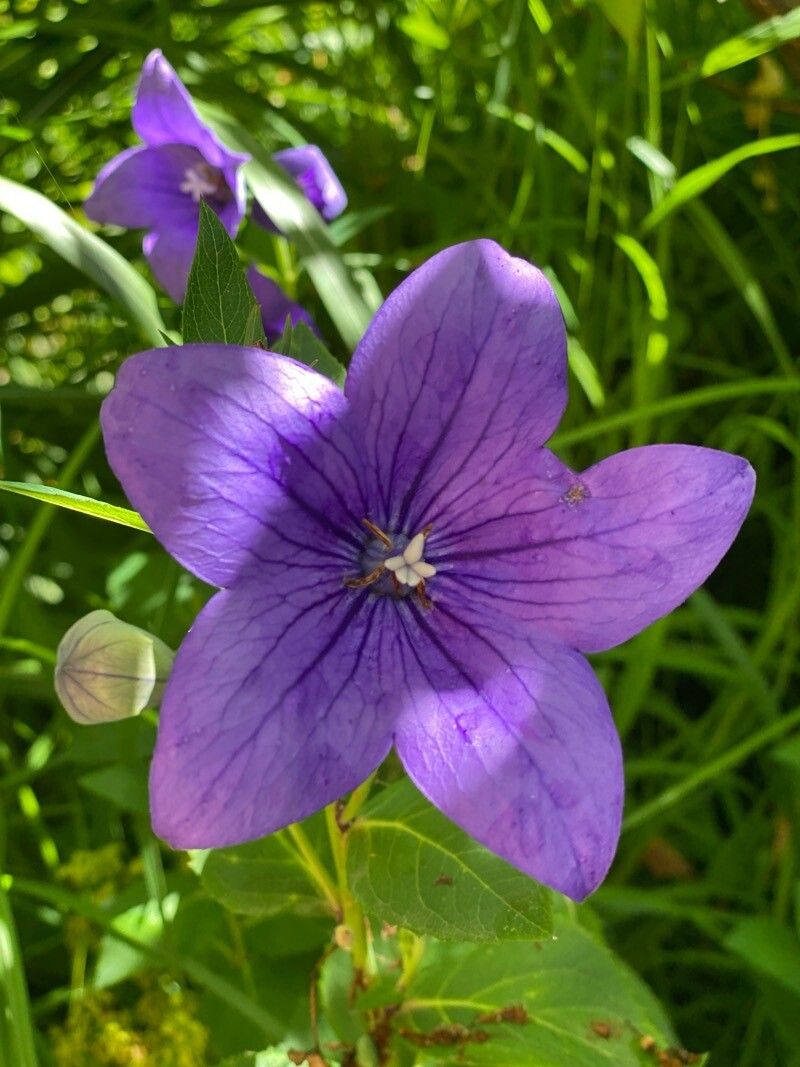
Platycodon is a genus in the bellflower family (Campanulaceae) represented by a single species, Platycodon grandiflorus, native to East Asia. It is a clump-forming herbaceous perennial reaching 12-32 inches (30-80 cm) tall and 12-18 inches (30-45 cm) wide, growing from a thickened, fleshy taproot. Stems are erect and unbranched to sparingly branched, carrying ovate to lance-shaped leaves 2-3 inches (5-7 cm) long with toothed margins, blue-green above and paler beneath. The flower buds inflate into hollow, five-angled balloons before splitting open into broad, upward-facing bells 2-3 inches (5-7 cm) across with five pointed lobes. Flower color spans violet-blue, white, and pink, often with darker veining. Bloom continues over 6-8 weeks in mid- to late summer. All parts exude a milky latex when cut. The taproot resists disturbance, so divisions and transplants of established plants re-establish slowly. Foliage emerges late in spring, leaving the crown open to damage from cultivation before shoots appear. Leaves of many forms turn yellow in autumn before the plant dies to the ground. Dwarf selections reach only 6-10 inches (15-25 cm), while taller forms lean and may need support in rich soil where stems elongate.
Native Range
Native to East Asia, including eastern China, Korea, Japan, and adjacent parts of eastern Siberia. It grows on open grassy slopes, meadows, forest clearings, and sunny banks from near sea level to about 5,500 feet (1,700 m).Suggested Uses
Grown in perennial borders, cottage gardens, and rock gardens, spaced 12-18 inches (30-45 cm) apart. Dwarf forms suit container culture and edging, while taller forms are cut for the vase, with stems seared to slow latex loss. The late-emerging crown combines with spring bulbs that fill the same space earlier in the year.How to Identify
Appearance
Size & Dimensions
Height1' - 2'8"
Width/Spread1' - 1'6"
Bloom Information
Flowers open over 6-8 weeks from early-to-mid summer into early autumn, roughly June through August in most temperate zones. Individual blooms last several days, with new buds opening in succession along the stems. Plants in cooler maritime climates can continue flowering into September.
Detailed Descriptions
Flower Description
violet-blue, white, or pinkFoliage Description
blue-greenGrowing Conditions
Sun Requirements
Requires 6-8 hours of direct sunlight daily
• Full Sun: 6+ hours of direct sunlight
• Partial Shade: 3-6 hours of direct sunlight
• Full Shade: Less than 3 hours of direct sunlight
Care & Maintenance
Care Guide
Grows in full sun to light afternoon shade in moist, well-drained soil of average fertility, with a pH from 5.5 to 7.5. Regular water through the first season establishes the fleshy taproot; established plants tolerate short dry spells but flower less in prolonged drought. Because the taproot makes mature plants difficult to move, the position is set at planting. Shoots emerge late in spring, leaving the crown open to damage from hoeing or digging before growth appears. Tall stems in rich soil lean and can need staking or surrounding support. Slugs feed on emerging shoots, and root rot develops in waterlogged ground.Pruning
Spent stems are cut back after flowering to limit self-seeding, or left to set seed. Dead top-growth is removed to ground level in late autumn or early spring. Deadheading individual blooms during the season prolongs flowering by several weeks.Pruning Schedule
Prune: March & November
fallearly spring
Container Growing
Suitable for container growing
Minimum container size: 2 gallons