Platycladus, Genus, orientalis, Species,
- Genus & species
oriental arborvitae
Northeastern China and Korea; 1,000-6,500 feet (300-2,000 m)
Overview
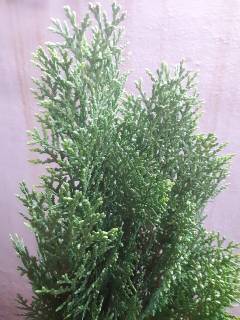
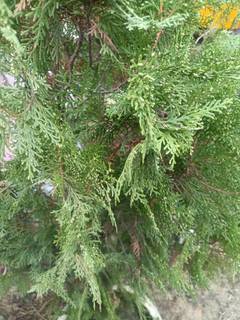
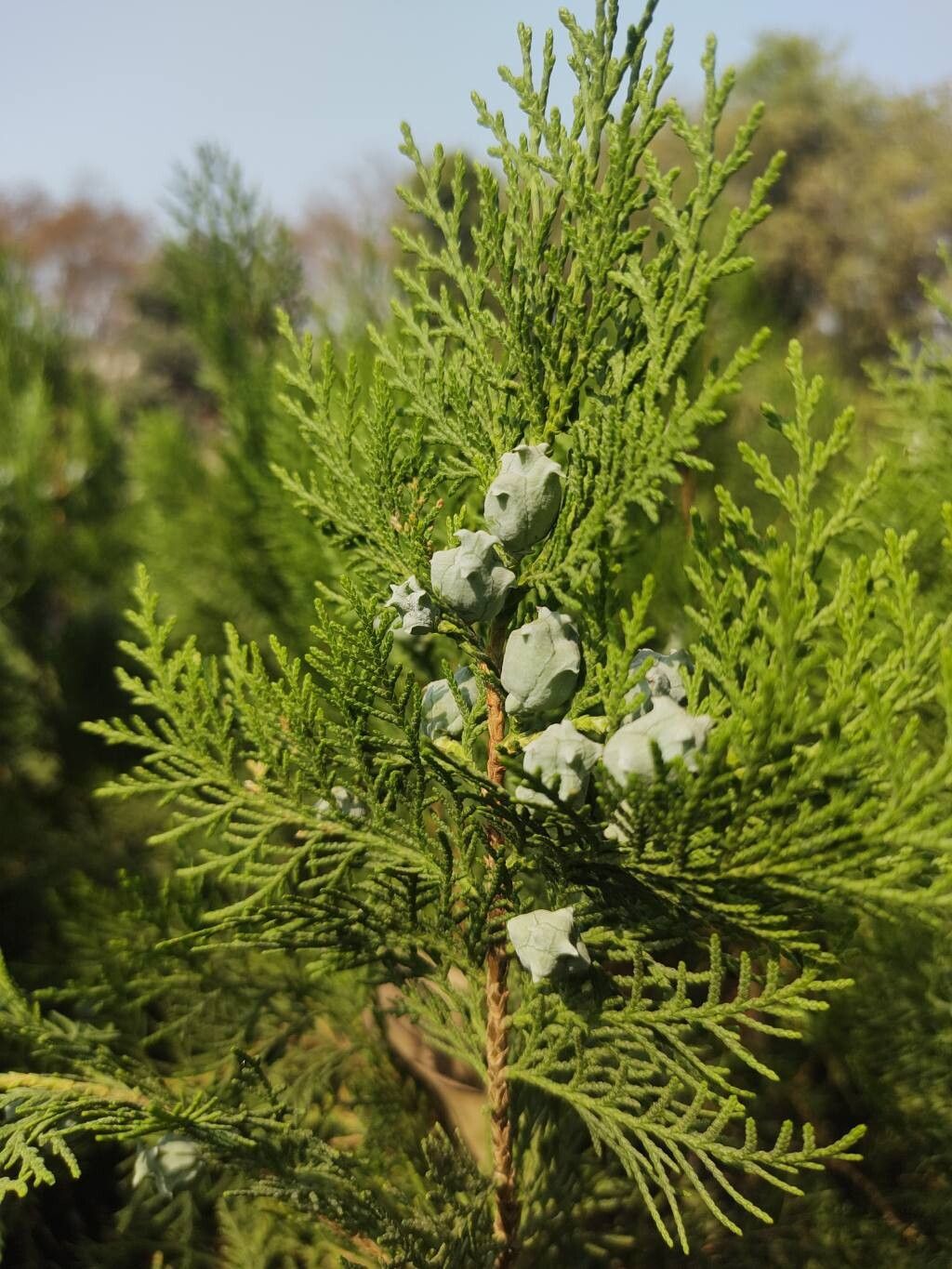
Platycladus orientalis is a medium-sized coniferous evergreen tree native to northeastern China and Korea, widely cultivated across temperate regions. Trees reach 25-40 feet (7.6-12 m) tall and 10-15 feet (3-4.6 m) wide in cultivation at a growth rate of 6-12 inches (15-30 cm) per year. The crown is narrowly pyramidal to columnar with a dense branching pattern. Scale-like leaves are held in flat vertical sprays oriented upright, not in horizontal planes as in Thuja; this vertical spray orientation is a genus-level character. Foliage is bright green in summer and may bronze or brown in cold winters. Cones are woody, glaucous blue-green when young and turn gray-brown at maturity, with hooked recurved scales — an identifier separating Platycladus from Thuja, which has flat scales. Bark is reddish-brown and stringy. The species has been reclassified from Thuja orientalis and Biota orientalis, and plants may be sold under any of these three names in older nursery stock. Winter foliage browning is more pronounced in exposed or cold sites and is part of the normal seasonal response, not disease. Spider mites and bagworms are common pests. Non-toxic.
Native Range
P. orientalis is native to northeastern China and Korea at elevations of 1,000-6,500 feet (300-2,000 m).Suggested Uses
Grown as a specimen tree, formal screen, or hedge in residential landscapes and urban sites, spaced 8-12 feet (2.4-3.7 m) apart for screening. The narrow crown fits sites 8-10 feet (2.4-3 m) wide. Numerous cultivars of varying size, foliage color, and form are available; species-type plants reach 25-40 feet (7.6-12 m) and require siting with adequate vertical clearance. Windswept coastal exposures where winter browning is most severe are not suitable. Non-toxic. Hardy in zones 6-9.How to Identify
Appearance
Size & Dimensions
Height25' - 40'
Width/Spread10' - 15'
Colors
Bloom Information
Male strobili are small, yellow-green, releasing pollen in March-April. Female cones are 0.5-0.8 inch (12-20 mm), glaucous blue-green with hooked recurved scales when young, ripening to woody gray-brown and opening in autumn to release winged seeds. Cone production begins at 5-10 years of age.
Detailed Descriptions
Flower Description
yellow-green male strobili releasing pollen in March-April; female cones glaucous blue-green when young with hooked recurved scales, ripening to woody gray-brownFoliage Description
bright green, scale-like, held in flat vertical sprays; foliage may bronze in cold exposure through winterGrowing Conditions
Sun Requirements
Requires 4-12 hours of direct sunlight daily
• Full Sun: 6+ hours of direct sunlight
• Partial Shade: 3-6 hours of direct sunlight
• Full Shade: Less than 3 hours of direct sunlight
Care & Maintenance
Care Guide
Site in full sun to partial shade (4-12 hours direct sun) in well-drained soil with a pH of 5.5-8.0; the species tolerates clay and alkaline substrates. Water weekly during the first two growing seasons; established trees tolerate extended dry periods. Foliage browns in cold, exposed, or dry winter conditions as a normal seasonal response, not as a sign of disease. Spider mites cause stippling and bronzing of foliage in hot dry weather; treat with miticide or strong water sprays when first observed. Bagworms build bag-like cases from foliage; remove by hand or treat with an appropriate insecticide in early summer. Sites with persistent cold winter winds are not suitable, as wind exposure worsens foliage browning. Non-toxic. Deer-resistant. Hardy in zones 6-9.Pruning
Shearing to maintain a formal shape can be done in late spring (May-June) after new growth hardens; light annual shearing maintains density. Cuts into old wood without live foliage do not regenerate, so pruning is restricted to green growth. Dead interior branches can be removed at any time. The natural pyramidal form requires little pruning on open sites.Pruning Schedule
Prune: May–June
late springsummer