Platycladus, Genus, orientalis, Species, 'Aurea Nana', Cultivar,
- Genus & species
- Cultivar
Berckmans gold arborvitae
Northern China, Korea, eastern Russia
Overview
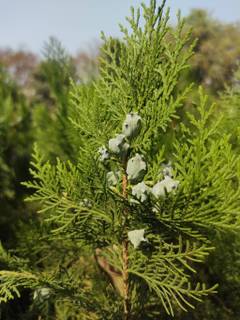
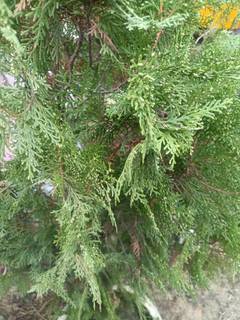
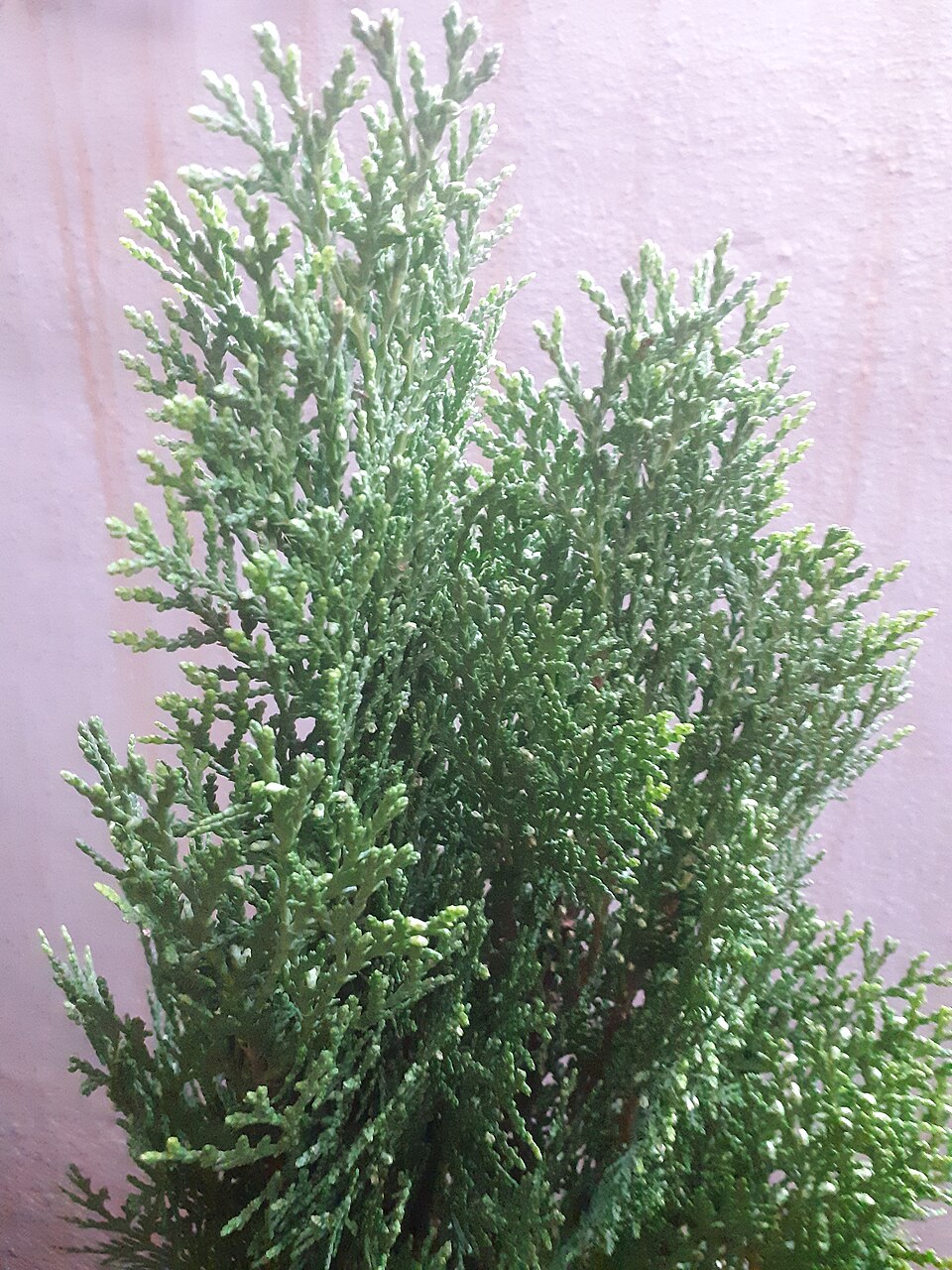
Platycladus orientalis 'Aurea Nana' is a dwarf evergreen conifer reaching 3-5 feet (90-150 cm) tall with a 2-3 foot (60-90 cm) spread at maturity. Forms a dense, oval to egg-shaped habit with growth held in vertical, flattened sprays that radiate from the center of the plant. Foliage consists of scale-like leaves arranged in flat planes, golden yellow on new growth in spring, fading to yellow-green by midsummer and developing bronze tones through winter in zones 6 and colder. Branches arise from a central point and curve outward and upward, producing a layered profile. Cones are small woody structures 0.4-0.7 inches (10-18 mm) long with hooked scales, ripening from blue-green to brown over a single season. Annual growth averages 2-3 inches (5-7.5 cm) per year, reaching mature size in 12-15 years. Foliage may scorch on south- or west-facing exposures during winter in zones 5 and colder. Gold color intensity diminishes in shade; plants grown in less than 6 hours of direct sun fade to pale green. Cultivated since the 1860s and named for the Berckmans nursery in Augusta, Georgia.
Native Range
The species Platycladus orientalis is native to northern China, the Korean Peninsula, and parts of eastern Russia, occurring on rocky hillsides and dry slopes at 700-9,800 feet (200-3,000 m) elevation. 'Aurea Nana' originated as a dwarf seedling selection in cultivation and does not occur in the wild.Suggested Uses
Used in foundation plantings, low borders, and rock gardens at 36-48 inch (90-120 cm) spacing. Grown as a container specimen in pots of at least 7 gallons (26 L) with adequate drainage; long-term container culture in zones 5 and colder requires winter root protection. Slow growth and dwarf size suit small urban gardens and confined planting beds.How to Identify
Appearance
Size & Dimensions
Height3' - 5'
Width/Spread2' - 3'
Colors
Foliage Colors
Fall Foliage Colors
Bloom Information
Conifers reproduce through cones rather than flowers; this species produces small pollen cones in March and April and seed cones that ripen in autumn of the same year. Pollen and cone production are sparse on dwarf cultivars at maturity.
Detailed Descriptions
Flower Description
Conifer; cones rather than flowersFoliage Description
Scale-like leaves; golden yellow on new growth in spring, yellow-green by midsummer, bronze in winter in colder zonesGrowing Conditions
Sun Requirements
Requires 6-8 hours of direct sunlight daily
• Full Sun: 6+ hours of direct sunlight
• Partial Shade: 3-6 hours of direct sunlight
• Full Shade: Less than 3 hours of direct sunlight
Care & Maintenance
Care Guide
Water weekly during the first two growing seasons until roots establish; established plants tolerate dry periods of 3-4 weeks once mature. Foliage scorch occurs in winter when frozen soil prevents water uptake combined with windy or sunny conditions, with damage more frequent in zones 5-6. Spider mites occur in hot, dry summers and cause stippled, bronzed foliage; populations rise during droughts and decline with regular overhead watering. Bagworms feed on the foliage in eastern North America from June through August; cocoons collected in winter reduce the next season's population. Bronzing of foliage in winter is normal for this cultivar in zones 5-6 and reverses by April.Pruning
Light shaping in late spring after new growth emerges maintains the oval habit. The cultivar does not regenerate from old wood; cuts made into bare interior branches do not produce new green growth. Removal of damaged or dead foliage improves air circulation and reduces the risk of fungal cankers in humid climates.Pruning Schedule
Prune: May–June
late spring
Container Growing
Suitable for container growing
Minimum container size: 7 gallons