Platycladus, Genus, orientalis, Species,
- Genus & species
oriental arborvitae
Northern and western China, Korea, Mongolia, Russian Far East
Overview
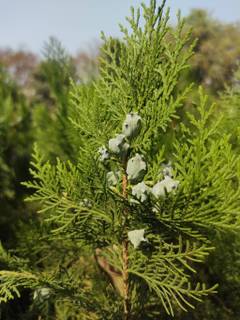
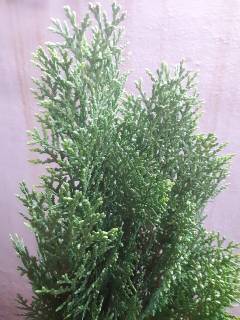
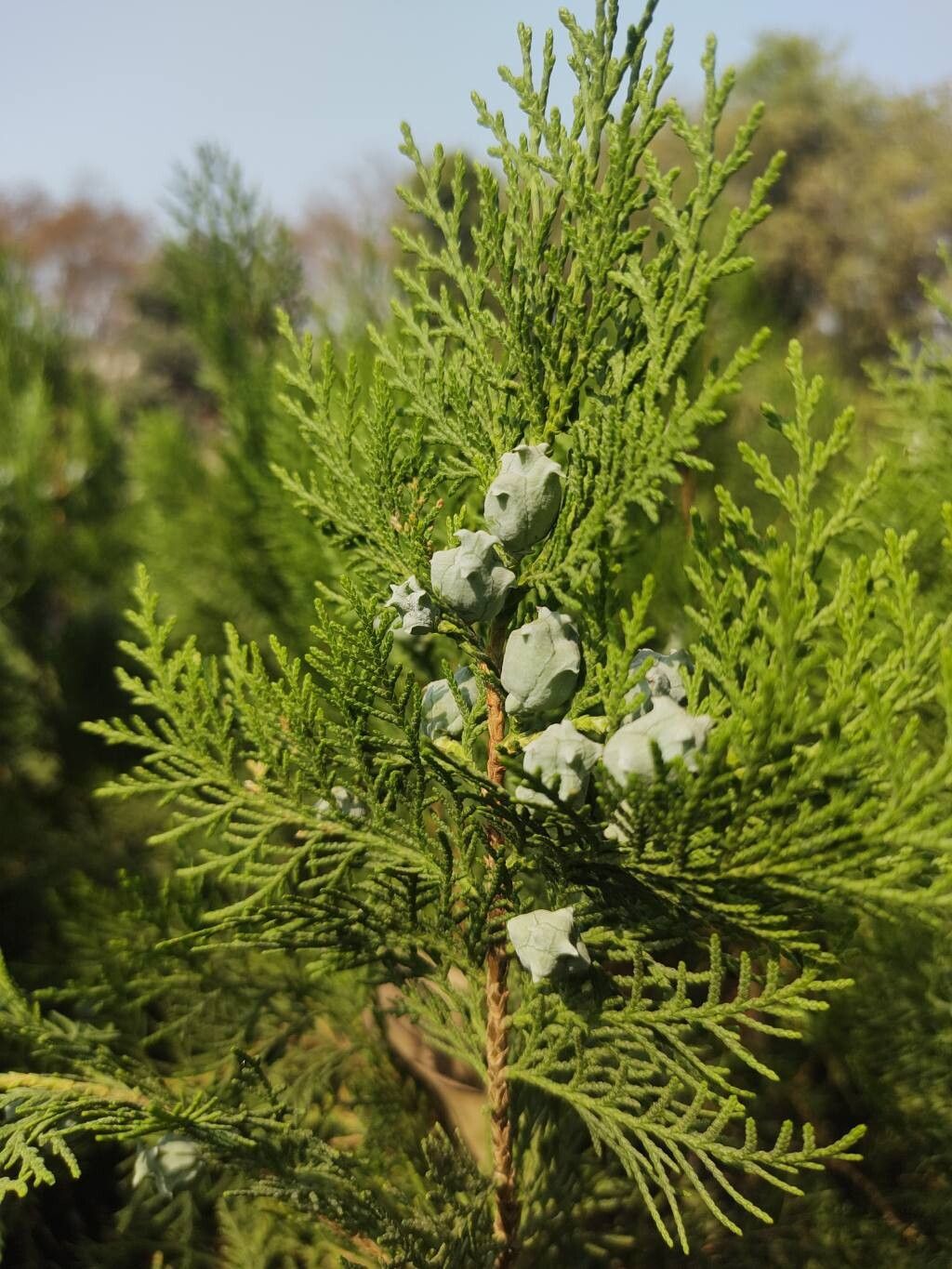
Platycladus is a genus in the family Cupressaceae containing the single species Platycladus orientalis, an evergreen conifer native to East Asia and long planted worldwide. It forms a dense, conical to rounded small tree or large shrub 15–40 ft (4.5–12 m) tall, often multi-stemmed, with branches held in flat, vertical sprays. The scale-like leaves are bright green to yellow-green, pressed against the branchlets, and arranged so that the foliage fans face vertically rather than horizontally as in the related Thuja. Unlike Thuja, the crushed foliage has little scent. Small male and female cones form on the same plant; the female cones are fleshy and blue-grey with a waxy bloom when young, 0.5–1 in (1.5–2.5 cm) long, bearing hooked scales, and ripen to woody brown, releasing wingless seeds. Platycladus grows in full sun in USDA zones 6–9 and tolerates heat, drought, poor soil, and urban conditions once established. Dense cultivars can split or splay under heavy snow, and the foliage may bronze in cold winters.
Native Range
Platycladus orientalis is native to northern and western China and adjacent parts of Korea, Mongolia, and the Russian Far East, growing on dry, rocky hillsides and in temple groves. Centuries of cultivation have spread it across temperate Asia, and it is widely planted in gardens and as a street and cemetery tree well beyond its natural range.Suggested Uses
Platycladus is grown as a specimen, foundation shrub, screen, and clipped hedge, and dwarf cultivars suit rock gardens and containers. The narrow, upright forms are used for vertical accents and for framing entrances and gateways. The species has a long history in temple and cemetery plantings across East Asia.How to Identify
Appearance
Size & Dimensions
Height15' - 40'
Width/Spread10' - 15'
Colors
Foliage Colors
Fall Foliage Colors
Bloom Information
As a conifer, Platycladus bears cones rather than flowers. Pollen is shed from small male cones in early spring, usually March to April, while the young female cones sit blue-grey on the same plant. The cones ripen to brown and woody by autumn of the same year.
Detailed Descriptions
Foliage Description
green to yellow-greenGrowing Conditions
Sun Requirements
Requires 6-12 hours of direct sunlight daily
• Full Sun: 6+ hours of direct sunlight
• Partial Shade: 3-6 hours of direct sunlight
• Full Shade: Less than 3 hours of direct sunlight
Care & Maintenance
Care Guide
Platycladus grows in full sun and almost any well-drained soil, including dry, alkaline, and poor ground, and tolerates heat, drought, and urban pollution once established. Shade thins the foliage and weakens the dense habit. The shrubs are slow to moderate in growth and need little feeding. In regions with wet, heavy snow, the upright branches of dense cultivars can splay apart and are sometimes tied. Propagation is by seed or by cuttings of named selections. Established plants are hardy to about USDA zone 6, though the foliage of some forms bronzes in hard winters.Pruning
Light trimming in spring or early summer shapes the plant and keeps formal forms dense. Cuts are kept within the green, scale-leaved growth, because branches cut back into old bare wood do not resprout. Snow-splayed stems are tied or thinned rather than topped.Pruning Schedule
Prune: April–May
late spring
Container Growing
Suitable for container growing
Minimum container size: 10 gallons