Phytolacca, Genus, octandra, Species,
- Genus & species
inkweed
Overview
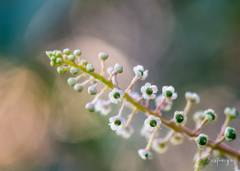
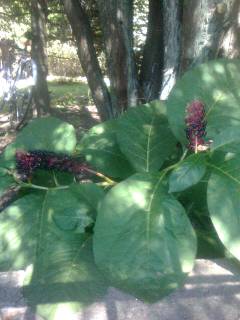
Phytolacca octandra is a soft-wooded perennial herb or subshrub reaching 3-7 feet (1-2 m) tall, with reddish, fleshy, branching stems. Leaves are alternate, oval to lance-shaped, 2-6 inches (5-15 cm) long, with smooth margins and prominent veins. Small greenish-white to pinkish flowers without petals are borne in erect, narrow spikes 2-6 inches (5-15 cm) long, usually with eight stamens. The fruit is a flattened, ribbed berry about 0.2-0.3 inch (5-8 mm) across, ripening from green to purplish-black and containing a deep red-purple juice. Flowering and fruiting occur over much of the warm season. Growth is fast and plants self-seed prolifically, spread by birds that eat the fruit. All parts, especially the roots and unripe berries, contain saponins and oxalates that are toxic to humans and animals if eaten. The species is a widespread weed of disturbed ground, gardens, and pastures.
Native Range
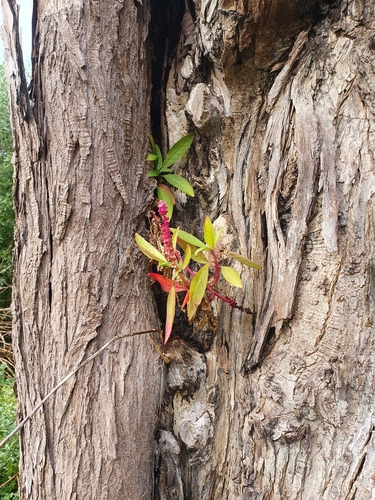
Native to tropical and subtropical South and Central America. Introduced and naturalized as a weed in Australia, New Zealand, southern Africa, and other warm regions, where it grows on disturbed ground, roadsides, fence lines, and neglected gardens.Suggested Uses
It is not cultivated as a garden plant and is managed as a weed across its naturalized range. Where it occurs, it grows on disturbed ground, fence lines, and neglected sites. The toxic berries and prolific seeding make it a target for removal in gardens and pastures.How to Identify
Appearance
Size & Dimensions
Height3' - 7'
Width/Spread2' - 5'
Bloom Information
Detailed Descriptions
Flower Description
greenish-white to pinkFoliage Description
greenGrowing Conditions
Sun Requirements
Requires 4-10 hours of direct sunlight daily
• Full Sun: 6+ hours of direct sunlight
• Partial Shade: 3-6 hours of direct sunlight
• Full Shade: Less than 3 hours of direct sunlight
Care & Maintenance
Care Guide
Grows in full sun to part shade on a wide range of soils, including disturbed and fertile ground. It establishes quickly from seed and tolerates dry periods once established. The plant dies back after hard frost and resprouts from the rootstock in spring. All parts are toxic if eaten, and the berry juice stains skin and fabric. It self-seeds prolifically and is regarded as an environmental and agricultural weed in many regions. Few pests or diseases affect it.Pruning
Cutting back or removing plants before the berries ripen limits seed spread by birds. The soft stems are easily cut, and plants resprout from the rootstock unless the root is removed. Spent top growth dies back after frost.Pruning Schedule
Prune: November–December
summer