Phoenix, Genus, spp., Multiple species,
- Genus
- Multiple species
date palms
Africa, the Arabian Peninsula, and southern Asia
Overview
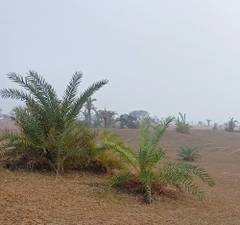
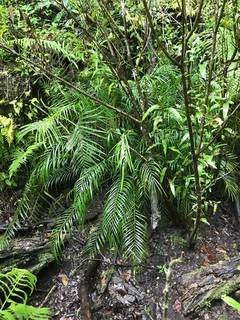
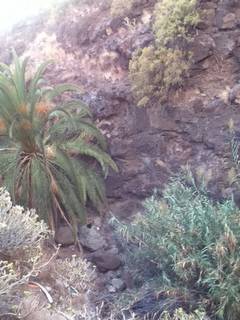
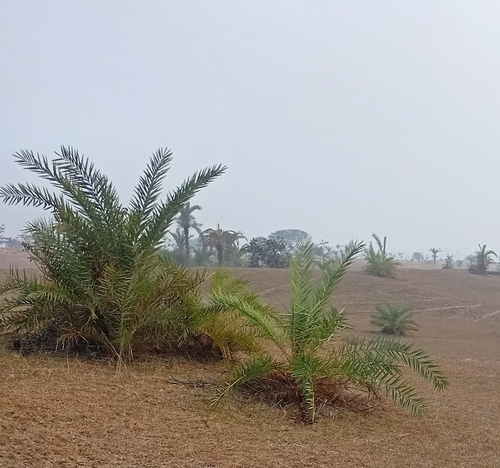
Phoenix is a genus of about 14 palms in the family Arecaceae, native to Africa, the Arabian Peninsula, and southern Asia, and the source of the edible date. Plants range from clustering dwarf palms 5–10 feet (1.5–3 m) tall to single-trunked trees reaching 100 feet (30 m), with crowns of arching pinnate fronds 3–20 feet (1–6 m) long. The lower leaflets are modified into stiff, sharp spines along the leaf base. Trunks are marked with the diamond-patterned scars of shed fronds. The genus is dioecious, with male and female flowers on separate plants in branched sprays of cream to yellow; pollinated female trees carry hanging clusters of oval fruit that ripen from green to amber, red, or brown. P. dactylifera is grown across desert regions for its fruit, while P. canariensis and P. roebelenii are grown as ornamentals. Plants withstand heat, drought, and saline soil once established, though most species are damaged below about 20°F (−7°C). The spiny leaf bases and the fungal disease Fusarium wilt are the main hazards in cultivation.
Native Range
The genus is native to Africa, the Arabian Peninsula, and southern Asia, with P. canariensis restricted to the Canary Islands. Phoenix grows in oases, river valleys, coastal scrub, and semi-desert, often where groundwater is within reach. Plants tolerate heat and saline soil across this dry-climate range.Suggested Uses
Phoenix is grown as a specimen and street tree in warm climates, and the dwarf species in containers and courtyards, spaced well clear of paths because of the spiny leaf bases. P. dactylifera is grown commercially for dates in desert regions. The fruit and seeds feed birds and other wildlife.How to Identify
Appearance
Size & Dimensions
Height5' - 100'
Width/Spread6' - 40'
Colors
Bloom Information
Flowering occurs in late winter and spring, with branched sprays of cream to yellow flowers emerging from the crown. Male and female flowers form on separate trees, so fruit develops only on pollinated females. Dates ripen through summer and autumn over several months.
Detailed Descriptions
Flower Description
cream to yellowFoliage Description
green to blue-greenGrowing Conditions
Sun Requirements
Requires 6-12 hours of direct sunlight daily
• Full Sun: 6+ hours of direct sunlight
• Partial Shade: 3-6 hours of direct sunlight
• Full Shade: Less than 3 hours of direct sunlight
Care & Maintenance
Care Guide
Plants grow in full sun on free-draining sand, loam, or rocky soil, and tolerate heat, drought, and salt once established. Young palms grow faster with regular deep watering, then need little supplemental water as the root system develops. Most species are hardy only in zones 9–11, with foliage damaged below about 20°F (−7°C). Fusarium wilt spreads on contaminated pruning tools and has no cure, so clean cuts matter. Potassium and magnesium deficiencies show as yellowing or spotting on older fronds in sandy soil.Pruning
Dead and fully browned fronds are removed close to the trunk, while green fronds are left to feed the palm. Fruit stalks are cut out on ornamental plantings to reduce litter. Pruning tools are cleaned between palms to limit the spread of Fusarium wilt.Container Growing
Suitable for container growing