Phoenix, Genus, sylvestris, Species,
- Genus & species
silver date palm
Indian subcontinent (India, Pakistan, Nepal, Bangladesh, Sri Lanka)
Overview
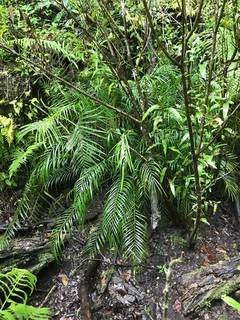
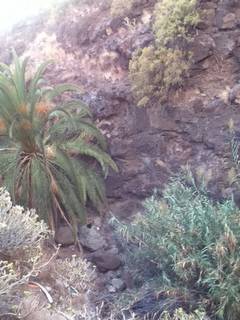
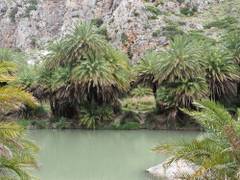
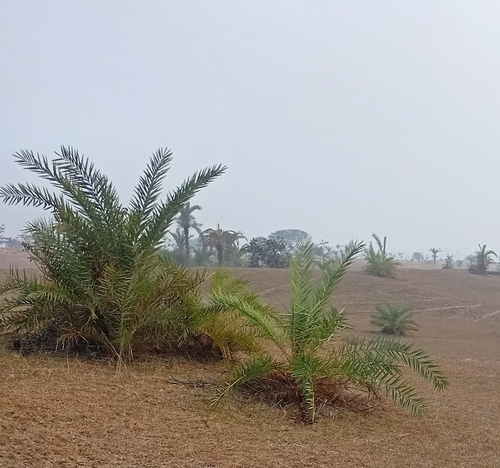
Phoenix sylvestris is the silver date palm (Indian date palm), growing 300–600 inches (750–1,500 cm) tall with a single trunk 12–18 inches (30–45 cm) in diameter marked by a diamond pattern of old leaf base scars. Blue-gray to silver-green pinnate fronds 96–180 inches (240–450 cm) — the blue-silver frond color distinguishes it from the green-frond P. dactylifera (true date palm). Sharp spines 3–6 inches (7–15 cm) on the lower petiole (leaf stalk) where the leaflets are modified into rigid thorns — a genus trait shared with P. dactylifera and P. canariensis. Yellow flowers in large branched inflorescences 24–36 inches (60–90 cm). Small orange to reddish-brown fruit 0.75 inch (18 mm) in hanging clusters — edible but with a thin layer of flesh compared to commercial dates (P. dactylifera). In India, the trunk sap is tapped to produce palm sugar (jaggery), a fermented toddy, and a fresh drink (neera) — the sap tapping industry is a cultural tradition in West Bengal and other Indian states. Native to the Indian subcontinent. Dioecious: separate male and female trees — only females produce fruit. Hardy to 20°F (−7°C) when mature — hardier than P. dactylifera (25°F / −4°C). Full sun (8+ hours). Drought-tolerant once established. Adapts to alkaline soils. Non-toxic. Deer-resistant (spiny petioles). Growth rate is moderate. Zones 9–11.
Native Range
Native to the Indian subcontinent — India, Pakistan, Nepal, Bangladesh, and Sri Lanka, growing in dry forests and cultivated for sap tapping.Suggested Uses
Grown as a specimen or avenue palm in zones 9–11 with space for the 180–360 inch (450–900 cm) frond spread. Full sun. The blue-silver frond color and the diamond-patterned trunk are the display features. Sharp spines — position away from foot traffic. Non-toxic. Deer-resistant.How to Identify
Appearance
Size & Dimensions
Height25' - 50'
Width/Spread15' - 30'
Bloom Information
Yellow flowers in large branched inflorescences in spring (March–May). Dioecious — only female trees produce fruit. Small orange to reddish-brown dates in hanging clusters ripen in fall.
Detailed Descriptions
Flower Description
Yellow, in large branched inflorescencesFoliage Description
Blue-gray to silver-green, pinnate fronds with spiny petiole basesGrowing Conditions
Sun Requirements
Requires 8-10 hours of direct sunlight daily
• Full Sun: 6+ hours of direct sunlight
• Partial Shade: 3-6 hours of direct sunlight
• Full Shade: Less than 3 hours of direct sunlight