Phalaris, Genus, spp., Multiple species,
- Genus
- Multiple species
canarygrasses
Temperate Northern Hemisphere and South America
Overview
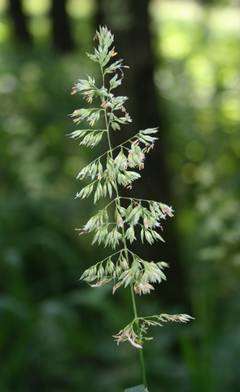
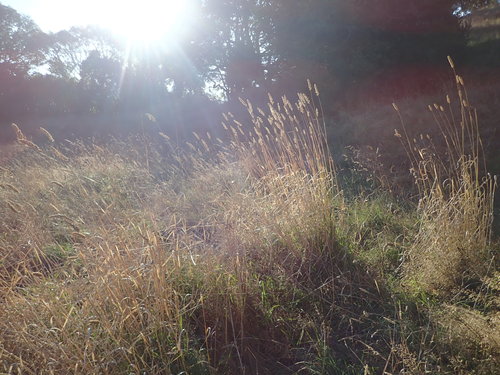
Phalaris is a genus of about 20 annual and perennial grasses in the family Poaceae, spread through temperate regions of the Northern Hemisphere and South America. Members range from 18 inches to 7 feet (45-200 cm) tall and carry flat, broad leaf blades and dense, spike-like flowering panicles that turn from green to straw at maturity. The genus includes P. canariensis, grown as the canary seed of birdseed mixes, and P. arundinacea, reed canarygrass, a rhizomatous wetland perennial whose white-striped form 'Picta' is planted as ribbon grass. Rhizomatous species creep by underground stems and can form broad colonies, while annual species grow as tufts from seed. Foliage of several species contains tryptamine and beta-carboline alkaloids that cause neurological staggers in grazing livestock. P. arundinacea is listed as invasive in wetlands across the northern United States and Canada, where it crowds out native marsh vegetation. The combination of vigorous spread and alkaloid content limits where the larger species are planted.
Native Range
Native to temperate Europe, Asia, North Africa, North America, and South America, with P. arundinacea circumboreal across the Northern Hemisphere. Several species are now naturalized far beyond their original ranges.Suggested Uses
Used for erosion control on banks and in rain gardens, and in wet borders where its spread can be contained. Variegated ribbon grass is grown as ground cover and in containers, while P. canariensis is raised as a birdseed and forage crop.How to Identify
Appearance
Size & Dimensions
Height1'6" - 7'
Width/Spread1' - 3'
Bloom Information
Flowering occurs in early to midsummer, roughly June through August, when stems carry dense spike-like panicles. The wind-pollinated flowers shed pale pollen over two to four weeks before ripening into small, shiny grains.
Detailed Descriptions
Flower Description
pale green to straw, often purple-tingedFoliage Description
green to grey-green, white-striped in variegated formsGrowing Conditions
Sun Requirements
Requires 6-10 hours of direct sunlight daily
• Full Sun: 6+ hours of direct sunlight
• Partial Shade: 3-6 hours of direct sunlight
• Full Shade: Less than 3 hours of direct sunlight
Water & Climate
Water Needs
Care & Maintenance
Care Guide
Phalaris grows in full sun to light shade and tolerates a wide range of soils, from ordinary garden loam to saturated marsh ground. Reed canarygrass and its variegated forms hold up in wet soil, pond margins, and seasonal flooding, while drier-site species accept average moisture. Most perennial species are hardy to USDA zone 4 (-30°F / -34°C). Rhizomatous types spread steadily and are often confined by buried barriers or containers. A spring cut to the ground each year clears old growth before new shoots emerge.Pruning
Perennial species are cut to the ground in late winter before new growth begins. Variegated ribbon grass can be sheared back by half in midsummer to prompt fresh foliage when the leaves brown in heat. Spent flowering stems are removed to limit self-seeding.Pruning Schedule
winter
Container Growing
Suitable for container growing
Minimum container size: 3 gallons