Parietaria, Genus, spp., Multiple species,
- Genus
- Multiple species
pellitories
Worldwide temperate and subtropical; center of diversity Mediterranean
Overview
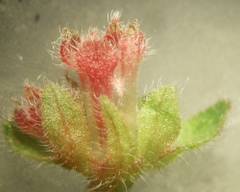
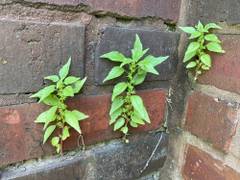
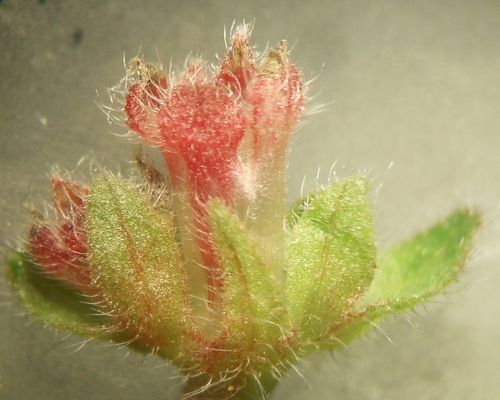
Parietaria is a genus of about 20 species of annual and perennial herbs in the nettle family (Urticaceae), native to temperate and warm regions worldwide. Unlike true nettles, the plants lack stinging hairs. Stems are weak, branched, and often reddish, sprawling or ascending 6–36 inches (15–90 cm), with alternate, entire, oval to lance-shaped leaves 0.5–3 inches (1–8 cm) long. Flowers are small, greenish, and clustered in the leaf axils, with male, female, and bisexual flowers mixed together. The flowers are wind-pollinated and release large amounts of airborne pollen, a major cause of hay fever in Mediterranean regions. Fruit is a tiny dry achene enclosed by the persistent calyx. Plants grow in cracks of walls, rubble, and disturbed ground, rooting in poor soil and shade. P. judaica and P. officinalis are widespread weeds, while several species are restricted to rocky native habitats. The long flowering season carries an extended pollen release from spring into fall.
Native Range
Native to temperate and subtropical regions across Europe, Asia, Africa, and the Americas, with the center of diversity around the Mediterranean. Grows on old walls, rock crevices, rubble, hedge banks, and shaded disturbed ground from sea level to about 5,000 feet (1,500 m).Suggested Uses
Rarely cultivated, and grown mainly in historical herb and medicinal collections, where P. officinalis has a long record of folk use, spaced 12–18 inches (30–45 cm) apart. In most settings the plants appear as self-sown weeds rather than chosen plantings. The heavy pollen production limits any use near homes and seating areas.How to Identify
Appearance
Size & Dimensions
Height6" - 3'
Width/Spread1' - 2'
Bloom Information
Flowering extends over a long season, from spring through fall and nearly year-round in mild climates. The greenish flowers release pollen continuously over this period, peaking in late spring and summer. The extended flowering makes the pollen a prolonged source of seasonal allergy.
Detailed Descriptions
Foliage Description
greenGrowing Conditions
Sun Requirements
Requires 2-8 hours of direct sunlight daily
• Full Sun: 6+ hours of direct sunlight
• Partial Shade: 3-6 hours of direct sunlight
• Full Shade: Less than 3 hours of direct sunlight
Water & Climate
Water Needs
Drought Tolerance
Drought tolerant when established