Osmorhiza, Genus, longistylis, Species,
- Genus & species
aniseroot
Overview
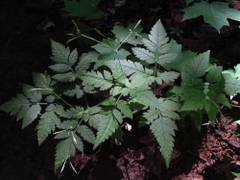
Osmorhiza longistylis is a herbaceous perennial in the carrot family, reaching 18-36 inches (45-90 cm) tall and spreading 12-18 inches (30-45 cm) wide. The roots and crushed foliage carry a sweet anise scent. Compound leaves divide into broad, toothed leaflets 1-3 inches (2.5-7.5 cm) long, soft green and finely hairy along the stems and veins. Small white flowers open in loose, few-rayed compound umbels held above the foliage on stalks 6-12 inches (15-30 cm) long. Flowering occurs in mid to late spring, followed by narrow, club-shaped fruits 0.5-0.8 inch (13-20 mm) long that taper at the base and bear stiff bristles, clinging to fur and clothing. The plant grows in moist deciduous woodland on rich, shaded soils, spreading slowly by seed into loose colonies rather than dense stands. In open or dry sites the foliage scorches and thins by midsummer. The anise-scented taproot has a history of culinary use, though it resembles several toxic relatives in the same family, so scent alone is an unreliable basis for identification. Foliage dies back to the root after frost in the north and by late summer in warmer regions.
Native Range
Native to eastern and central North America, from Quebec and Ontario south to Georgia and west into the Great Plains. It grows in moist, rich deciduous woodlands, floodplain forests, and shaded streambanks.Suggested Uses
Grown in woodland and native plant gardens, shaded borders, and naturalized areas beneath deciduous trees. The early flowers supply nectar for small native bees and flies.How to Identify
Appearance
Size & Dimensions
Height1'6" - 3'
Width/Spread1' - 1'6"
Bloom Information
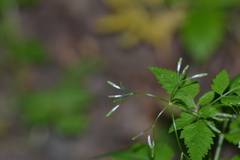
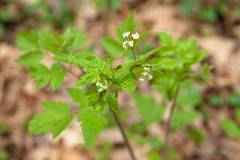
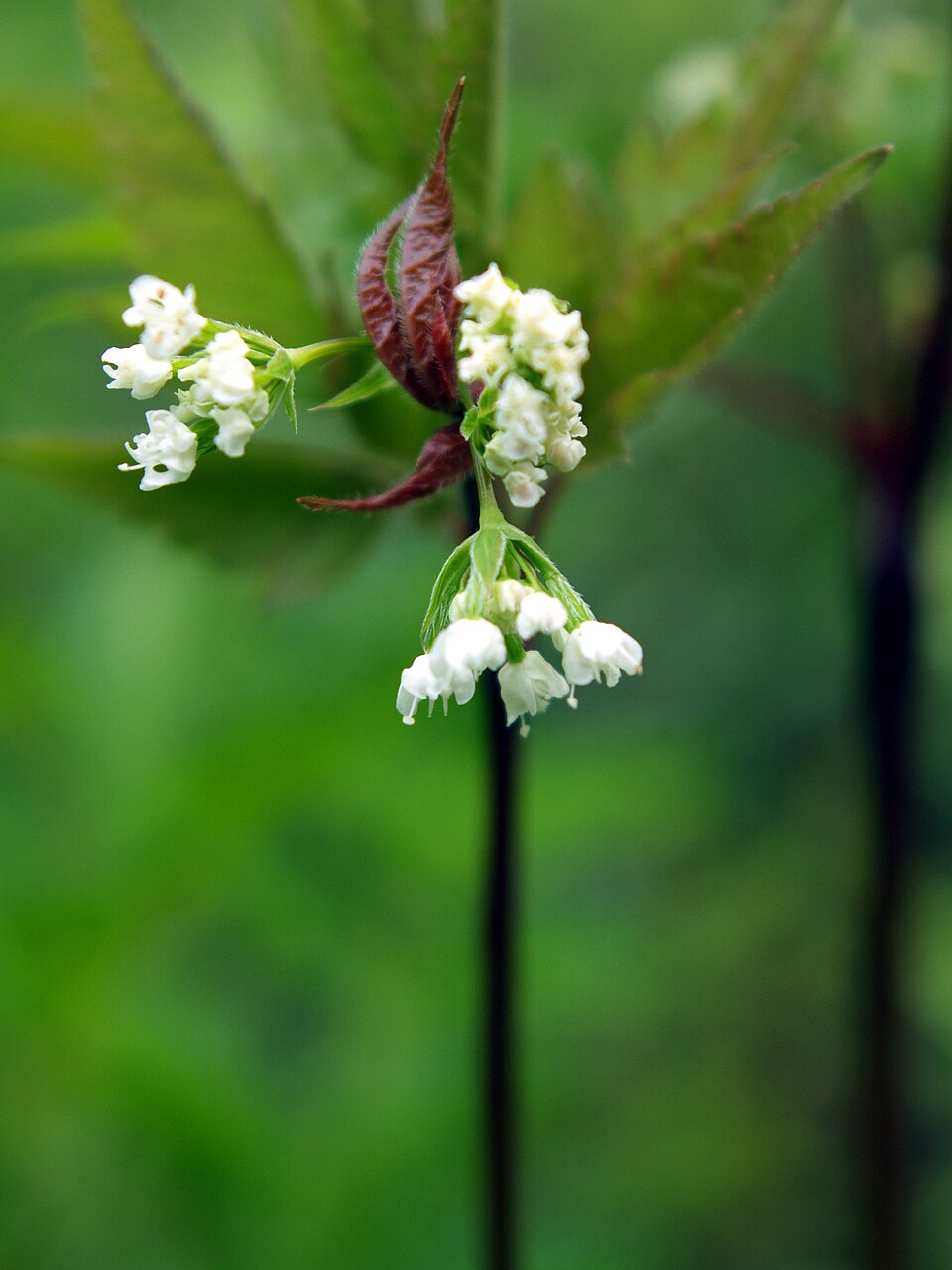
Flowers appear from April to June and open over three to four weeks. The small white umbels sit on slender branched stalks above the leaves. Fruit ripens through summer, turning dark brown and dry before the two halves split apart.
Detailed Descriptions
Foliage Description
greenGrowing Conditions
Sun Requirements
Tolerates up to 4 hours of direct sunlight daily
• Full Sun: 6+ hours of direct sunlight
• Partial Shade: 3-6 hours of direct sunlight
• Full Shade: Less than 3 hours of direct sunlight
Care & Maintenance
Care Guide
Grows in partial to full shade in consistently moist, humus-rich soil with a near-neutral pH. Established plants need little maintenance in suitable woodland conditions but decline in compacted or droughty ground. Supplemental water during extended dry spells reduces early dieback. A spring layer of leaf-litter mulch conserves soil moisture and mimics the native forest floor. The species self-sows where soil stays moist, and first-year seedlings move readily. Soils with adequate organic matter require no added fertilizer.Pruning
No pruning is needed. Spent flower stalks can be cut after fruiting to limit self-seeding, and the foliage can be removed once it yellows and dies down in late summer.Pruning Schedule
summer