Olearia, Genus, spp., Multiple species,
- Genus
- Multiple species
daisybushes
Australia, New Zealand, and New Guinea
Overview
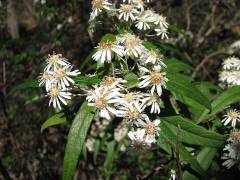
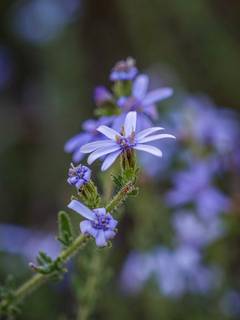
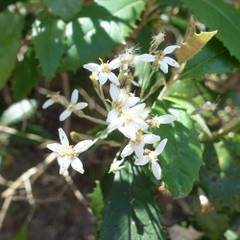
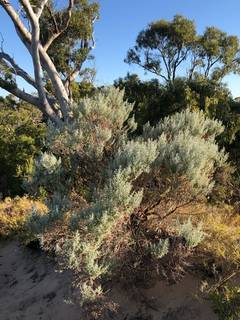
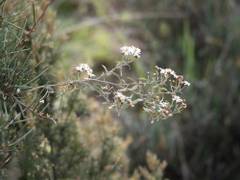
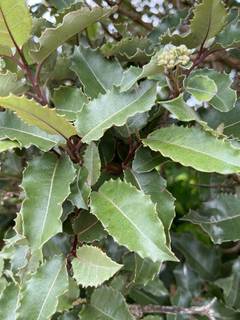
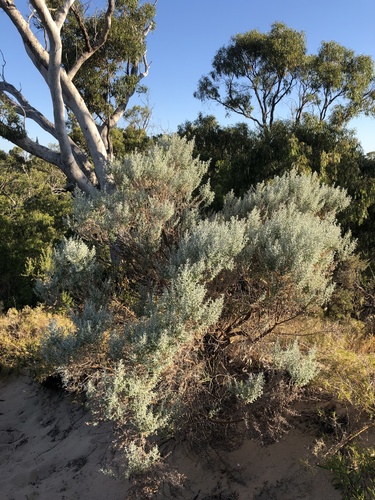
Olearia is a genus of about 180 evergreen shrubs and small trees in the daisy family, Asteraceae, native to Australia, New Zealand, and New Guinea. Plants range from low mounded shrubs to small trees 2–10 ft (0.6–3 m) tall, with leathery leaves that are frequently dark green above and coated with white or silvery felt beneath. The flower heads are true daisies, 0.3–1.5 inches (8–38 mm) across, borne singly or in broad clusters and ranging through white, cream, mauve, blue, and pink, usually with a yellow center. Many species flower heavily enough to cover the bush. Olearia grows in coastal scrub, heath, and mountain sites, and several species tolerate salt wind, making them useful as coastal hedges and shelter. Most are drought-tolerant once established but need free-draining soil and full sun, and they are frost-tender to half-hardy, with hardiness varying widely between species. Plants can grow open and woody with age unless trimmed.
Native Range
Olearia is native to Australia, New Zealand, and New Guinea, growing in coastal scrub, heathland, open woodland, and subalpine sites. Several species are common on exposed, windy coasts and mountains where salt and cold limit other shrubs.Suggested Uses
Olearia is grown as a coastal hedge, windbreak, and shelter shrub, and in mixed and seaside borders for its daisy flowers. Salt- and wind-tolerant species are planted in exposed gardens where few other shrubs hold, spaced 3–6 ft (0.9–1.8 m) apart for a hedge. Compact forms suit containers and low borders.How to Identify
Appearance
Size & Dimensions
Height2' - 10'
Width/Spread2' - 8'
Colors
Bloom Information
Olearia flowers from late spring through summer in most species, roughly November to February in its native southern range, with some flowering in autumn or early spring. The daisy heads open over several weeks and can smother the bush in white or mauve. Bloom is heaviest in full sun and open sites.
Detailed Descriptions
Flower Description
white, cream, mauve, blue, or pinkFoliage Description
dark green above, white or silver beneathGrowing Conditions
Sun Requirements
Requires 6-12 hours of direct sunlight daily
• Full Sun: 6+ hours of direct sunlight
• Partial Shade: 3-6 hours of direct sunlight
• Full Shade: Less than 3 hours of direct sunlight
Care & Maintenance
Care Guide
Olearia grows in full sun and free-draining soil, including sandy, rocky, and chalky ground, at a pH of 6.0–8.0. Established plants tolerate drought, wind, and coastal salt but resent wet, heavy soils, which cause root rot. Hardiness varies by species, with many taking light frost and a few tolerating colder conditions, while others need a mild, frost-free site. The genus needs little feeding on average soils. Regular trimming keeps plants dense, as they grow open and woody with age. Propagation is by semi-hardwood cuttings, which root readily, or by seed.Pruning
Olearia is trimmed after flowering to keep a dense, bushy shape and to slow the open, woody growth that comes with age. It tolerates fairly hard pruning into younger wood and is used as a clipped or informal hedge. Cutting out old, bare stems over a few seasons renews neglected plants.Container Growing
Suitable for container growing