Odontites, Genus, spp., Multiple species,
- Genus
- Multiple species
red bartsia
Europe, western Asia, and North Africa
Overview
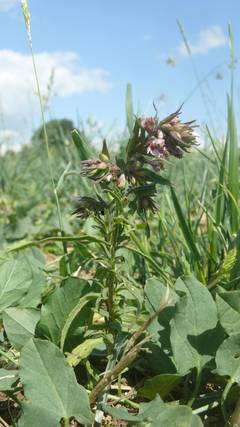
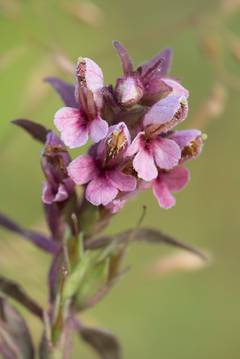
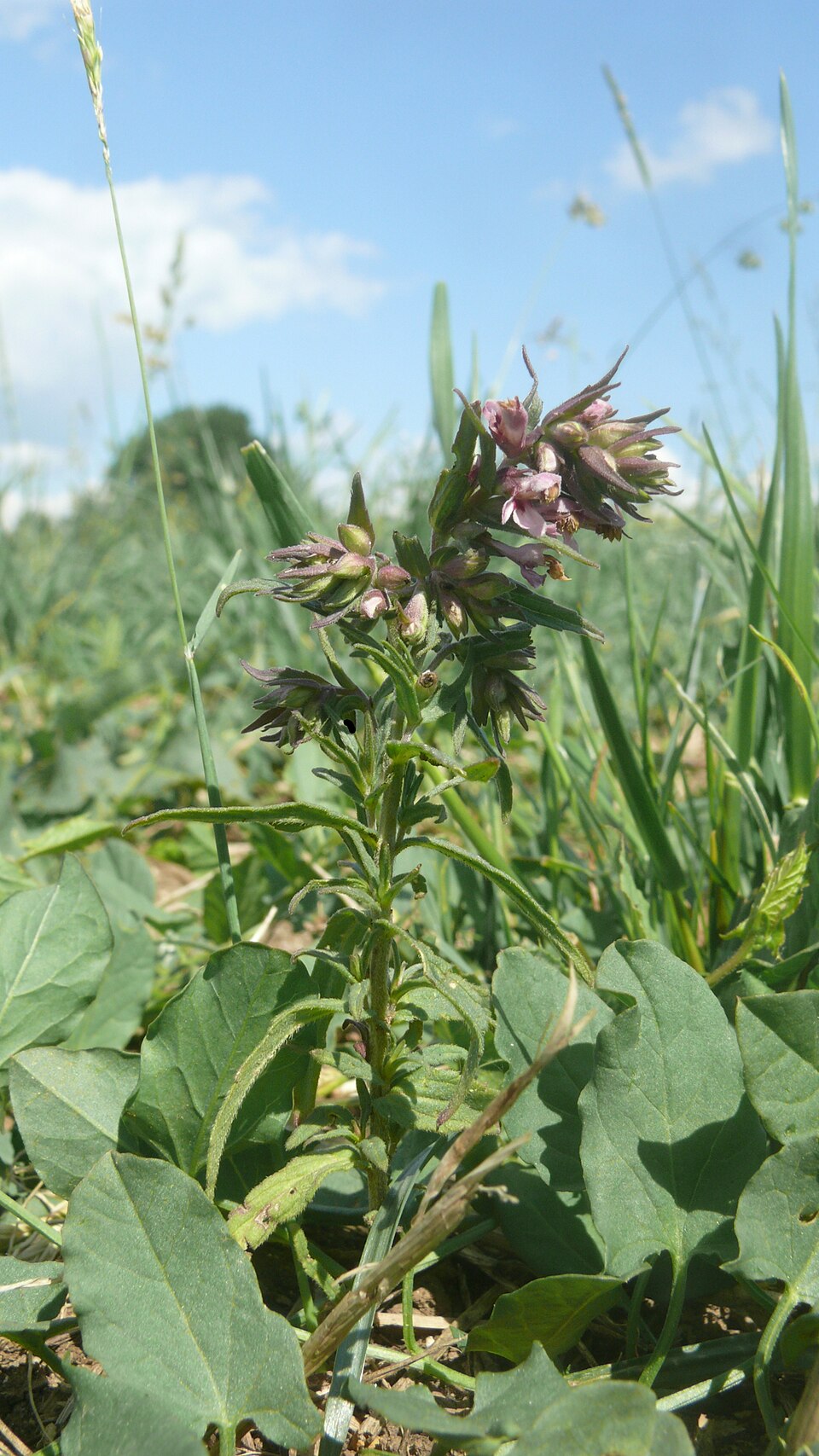
Odontites is a genus of hemiparasitic herbs in the family Orobanchaceae, native to Europe, western Asia, and North Africa, with around 25 species. Most are slender annuals, though a few are short-lived perennials. Plants reach 10-50 cm (4-20 in) tall on wiry, often reddish, branched stems clothed in small, opposite, lance-shaped leaves with toothed margins 1-3 cm (0.4-1.2 in) long. As hemiparasites, the roots form connections to the roots of neighbouring grasses and other herbs, drawing water and minerals from them while still photosynthesising in their own green foliage. From summer to autumn the stems bear one-sided spikes of small two-lipped flowers, each 6-10 mm (0.2-0.4 in) long, in shades of pink-red, purple, or yellow depending on species; O. vernus is rose-pink while O. luteus is yellow. The genus is most often found in grassland, meadow margins, roadsides, and disturbed ground on lime-rich or neutral soils. Because the plants depend on host grasses, they establish only where suitable hosts grow and tend to appear and disappear with grassland management. Several species, including O. vernus, have naturalised outside their native range.
Native Range
Odontites is native to Europe, western Asia, and North Africa, growing in grassland, meadow edges, roadsides, and disturbed open ground, often on lime-rich or neutral soils. O. vernus has naturalised in parts of North America.Suggested Uses
Odontites is used in wildflower meadow and grassland restoration, where the hemiparasitic habit reduces the vigour of dominant grasses and opens space for other meadow herbs. It is seldom grown as an ornamental.How to Identify
Appearance
Size & Dimensions
Height4" - 1'8"
Width/Spread4" - 10"
Bloom Information
Detailed Descriptions
Flower Description
pink-red, purple, or yellowFoliage Description
green, often tinged redGrowing Conditions
Sun Requirements
• Full Sun: 6+ hours of direct sunlight
• Partial Shade: 3-6 hours of direct sunlight
• Full Shade: Less than 3 hours of direct sunlight
Water & Climate
Water Needs
Care & Maintenance
Care Guide
Odontites is rarely cultivated and is grown mainly in meadow restoration, where it is sown with host grasses because the seedlings need a grass root to attach to within weeks of germinating. Plants grow in full sun in moderately fertile, free-draining neutral to alkaline soil with a pH of about 6.5-8.0. Excess fertility favours the host grasses over the parasite, so lean soils give steadier persistence. Seed generally needs a cold, moist period before germinating in spring. Annual species rely on self-seeding to return each year, and they decline if grassland is cut before seed sets.Pruning
No pruning is needed. Annual species die after setting seed, and leaving the stems until seed has shed allows the plants to return the following year.Toxicity: Not assessed
UnknownPlanting Guide
Planting Methods & Timing
Planting Method
direct sow