Nothofagus, Genus, cunninghamii, Species,
- Genus & species
myrtle beech
Overview
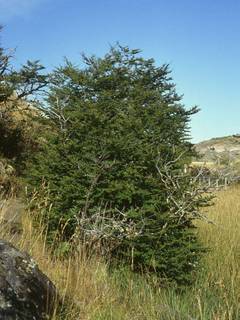
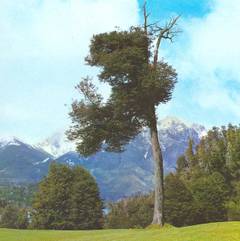
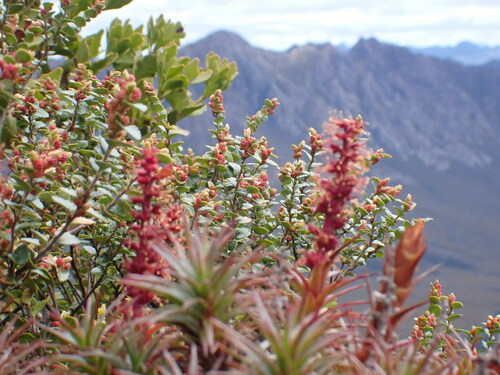
Nothofagus cunninghamii is an evergreen tree reaching 40-60 feet (12-18 m) in cultivation and up to 180 feet (55 m) in old-growth rainforest, with a dense, rounded to conical crown. Bark is grey-brown, finely fissured, becoming flaky with age. Leaves are alternate, triangular to fan-shaped, 0.2-0.5 inch (5-12 mm) long, with bluntly toothed margins and a glossy dark green upper surface; new growth emerges bronze to reddish in spring. The foliage is held in flattened, fern-like sprays. Flowers are small and wind-pollinated, the males yellowish with exposed stamens and the females reduced, appearing on the same tree in spring. Fruit is a small three-winged nut about 0.2 inch (5 mm) enclosed in a four-lobed cupule, ripening in summer to autumn. Growth is slow, adding 8-12 inches (20-30 cm) per year once established. In its native range it forms the dominant canopy of cool-temperate rainforest. It requires consistently moist conditions and shelter; foliage browns in dry winds and full exposure, and the species tolerates neither prolonged drought nor extended heat above 95 F (35 C).
Native Range
Native to cool-temperate rainforests of Tasmania and the highlands of Victoria, Australia. Occurs from near sea level to about 4,000 feet (1,200 m) elevation in areas with annual rainfall above 50 inches (1,300 mm), often along streams and on sheltered slopes.Suggested Uses
Used as a canopy or screening tree in cool, moist gardens and in rainforest restoration plantings, spaced 15-25 feet (4.5-7.5 m) apart. Suited to shaded courtyards and fern gardens in cool-temperate climates. Performs poorly in hot, dry, or exposed inland sites.How to Identify
Appearance
Size & Dimensions
Height40' - 60'
Width/Spread20' - 30'
Bloom Information
Flowers from September to November in the native southern-hemisphere range, corresponding to spring. Male and female flowers are small and wind-pollinated, without petals. Flowering is followed by nutlet development over summer.
Detailed Descriptions
Foliage Description
dark greenGrowing Conditions
Sun Requirements
Requires 2-5 hours of direct sunlight daily
• Full Sun: 6+ hours of direct sunlight
• Partial Shade: 3-6 hours of direct sunlight
• Full Shade: Less than 3 hours of direct sunlight
Care & Maintenance
Care Guide
Establish in a sheltered, partly shaded position with consistently moist, well-drained, acidic soil. Water regularly during the first 2-3 years and during dry spells thereafter, as the root system has low drought tolerance. Mulch to keep roots cool and retain moisture. Foliage browns in hot, dry winds and in full afternoon sun in warm climates. The species has few pest problems but is sensitive to root disturbance and waterlogging. Growth is slow, so plants take 15-20 years to reach a substantial size.Pruning
Requires minimal pruning; dead or damaged wood can be removed in late winter to early spring. Light tip pruning of young plants produces a denser canopy. Cuts into old wood regenerate slowly.Pruning Schedule
Prune: August–September
winterearly spring