Nothofagus, Genus, spp., Multiple species,
- Genus
- Multiple species
southern beech
Cool-temperate Southern Hemisphere (South America, New Zealand, Australia, New Guinea, New Caledonia)
Overview
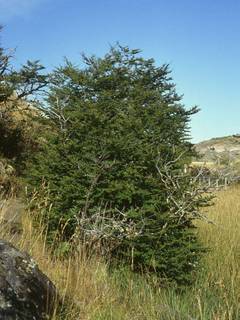
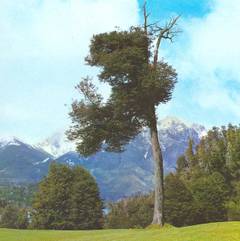
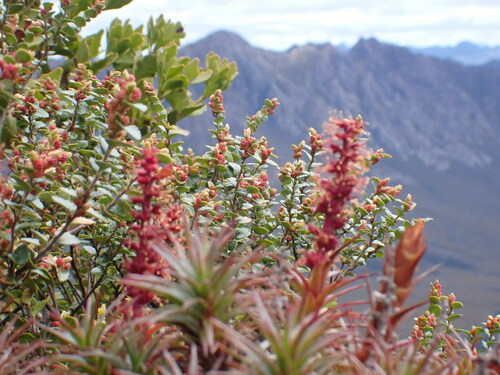
Nothofagus is a genus of about 35 trees and large shrubs in the family Nothofagaceae, the southern beeches, native to the cooler parts of the Southern Hemisphere. The genus is a well-known marker of the former supercontinent Gondwana, occurring in southern South America, New Zealand, south-eastern Australia and Tasmania, New Guinea, and New Caledonia. Plants range from low shrubs to forest trees 25-45 m (80-148 ft) tall, with small, simple, often toothed or scalloped leaves arranged in two ranks along the twigs. Some species are evergreen and others winter-deciduous, with the deciduous kinds, such as the Tasmanian N. gunnii, colouring gold and orange before leaf fall. The plants are monoecious and wind-pollinated, bearing tiny separate male and female flowers in spring, followed by small triangular nuts held in a short, lobed cupule. Several species dominate cool-temperate rainforest and yield important timber. N. cunninghamii of Tasmania and Victoria and N. moorei of New South Wales are mainstays of Australian myrtle-beech forest. The genus needs cool, moist, humid conditions and grows slowly, resenting heat, drought, and root disturbance.
Native Range
Nothofagus is native to the cool-temperate Southern Hemisphere, in a scattered Gondwanan pattern. Species occur in Chile and Argentina, New Zealand, south-eastern mainland Australia and Tasmania, the mountains of New Guinea, and New Caledonia. They form cool-temperate rainforest and montane forest, usually in moist, humid, high-rainfall country.Suggested Uses
Grown as specimen and shade trees, and in large gardens, parks, and cool-temperate woodland plantings, spaced well apart to allow for the eventual size. Compact and shrubby species suit smaller cool, moist gardens. The timber of several species is used for furniture and construction.How to Identify
Appearance
Size & Dimensions
Height80' - 148'
Width/Spread20' - 50'
Bloom Information
Tiny separate male and female flowers open in spring, generally September to November in the Southern Hemisphere, and are wind-pollinated rather than showy. Small triangular nuts develop through summer and are shed in autumn. Deciduous species also colour their foliage in autumn before leaf fall.
Detailed Descriptions
Foliage Description
Green, gold to orange in autumn on deciduous speciesGrowing Conditions
Sun Requirements
Requires 4-8 hours of direct sunlight daily
• Full Sun: 6+ hours of direct sunlight
• Partial Shade: 3-6 hours of direct sunlight
• Full Shade: Less than 3 hours of direct sunlight