Nothofagus, Genus, antarctica, Species,
- Genus & species
Antarctic beech
Southern South America (Chile and Argentina from 36°S to 56°S, including Tierra del Fuego)
Overview
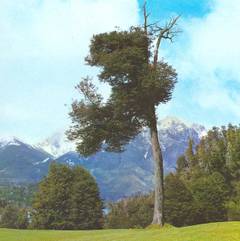
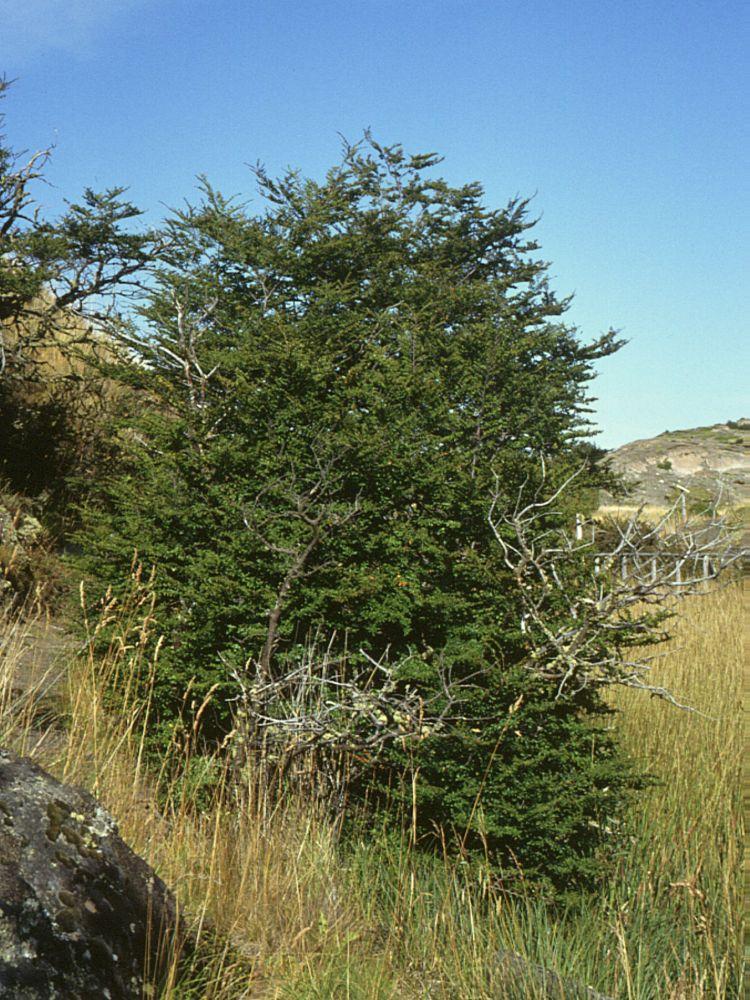
Nothofagus antarctica is a deciduous tree or large multi-stemmed shrub reaching 30–50 feet (9–15 m) tall and 20–30 feet (6–9 m) wide, with an open, irregularly branched crown that matures broadly columnar to conical. The species occupies a larger latitudinal range than any other tree in the Southern Hemisphere — native from 36°S in central Chile and Argentina through Tierra del Fuego to roughly 56°S, where specimens mark the southern treeline limit on the continent. Leaves are alternate, simple, 0.5–1.5 inches (1.3–4 cm) long, rounded to broadly ovate, glossy dark green, with 4–5 pairs of deeply impressed lateral veins that produce a crinkled or corrugated surface texture across the lamina; margins are irregularly crenate-lobulate. Autumn color develops in yellow to orange tones across the canopy in April–May in native range and October–November in Northern Hemisphere cultivation. Flowers are tiny, wind-pollinated, and inconspicuous, appearing in spring; seed husks 0.3 inch (8 mm) contain small triangular nuts and are not an ornamental feature. The trunk and lateral branches develop a sinuous, twisted character over the first 20–40 years of growth, visible year-round on deciduous winter specimens. Foliage and branch structure tolerate sustained wind above 30 mph (48 km/h) without significant dieback, which is well above the tolerance of most cultivated deciduous trees. Growth rate is moderate at 12–18 inches (30–45 cm) per year, reaching mature size in 25 years. Hardy to USDA zone 7. Not known to be toxic to pets or humans.
Native Range
Nothofagus antarctica is native to southern South America — Chile and Argentina from 36°S south to 56°S, including Tierra del Fuego — in forests, treeline scrublands, and exposed slope habitats from sea level to 6,500 feet (2,000 m) elevation. The species' southern range limit marks the southernmost occurrence of any tree species on any continent.Suggested Uses
Used as a specimen tree in cool-climate gardens, exposed coastal and ridge-top sites, and woodland edge plantings at 15–25 foot (4.5–7.6 m) spacing. The small crinkled leaves, yellow-to-orange autumn color, and sinuous twisted trunk develop together over 20–40 years of growth, making this a long-term feature tree rather than an instant specimen. Wind tolerance above 30 mph (48 km/h) allows siting in exposed coastal bluffs, hilltops, and ridge positions where most deciduous trees fail. The species does not grow well in hot dry summer climates, alkaline soils above pH 7.0, or waterlogged positions with standing water.How to Identify
Appearance
Size & Dimensions
Height30' - 50'
Width/Spread20' - 30'
Bloom Information
Tiny, wind-pollinated, inconspicuous flowers appear in April–May over a 2 week window. Small 3-valved seed husks 0.3 inch (8 mm) each containing small triangular nuts follow in autumn. Neither flowers nor fruit function as ornamental features of the tree.
Detailed Descriptions
Foliage Description
Glossy dark green; alternate, simple, rounded to broadly ovate, 0.5-1.5 inches long; 4-5 pairs of deeply impressed lateral veins producing crinkled/corrugated surface; crenate-lobulate margins; yellow to orange autumn colorGrowing Conditions
Sun Requirements
Requires 6-10 hours of direct sunlight daily
• Full Sun: 6+ hours of direct sunlight
• Partial Shade: 3-6 hours of direct sunlight
• Full Shade: Less than 3 hours of direct sunlight
Care & Maintenance
Care Guide
Grow in full sun with 6 or more hours of direct light in moist, well-drained loam, silt, or peat at pH 5.0–6.5. The species thrives in cool, moist climates — Pacific Northwest coastal, British Isles, and Western European temperate zones — and declines in hot dry summer conditions where soils dehydrate below 15% gravimetric moisture for more than 4–6 consecutive weeks. Water deeply once per week during the first three growing seasons, then maintain soil moisture during extended drought. Apply 2–3 inches (5–8 cm) of organic mulch over the root zone in spring. Wind tolerance is high — foliage and branching remain intact at sustained wind speeds above 30 mph (48 km/h), which allows siting on exposed coastal bluffs, ridges, and hilltops where most deciduous trees suffer dieback. Transplant balled-and-burlapped or container-grown specimens in spring. Few serious pest or disease problems have been reported outside the native range. Hardy to USDA zone 7.Pruning
Prune lightly in late winter (February–March) when needed. The sinuous, twisted trunk and irregular branching develop the visual character of the tree, and heavy corrective pruning to force a regular symmetrical form removes that character. Remove dead, damaged, or storm-broken branches only. The species can be trained as a single-trunk standard or a multi-stemmed specimen depending on siting preference; multi-stemmed training retains more of the natural shrub-to-small-tree character.Pruning Schedule
Prune: February–March
early spring