Nabalus, Genus, spp., Multiple species,
- Genus
- Multiple species
rattlesnake roots
Eastern North America and temperate eastern Asia
Overview
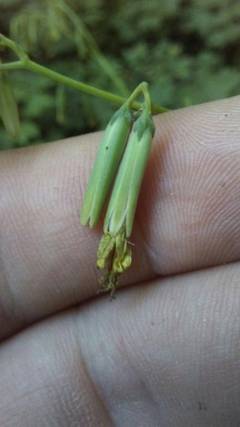
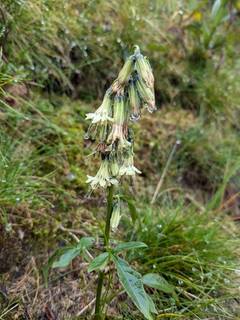
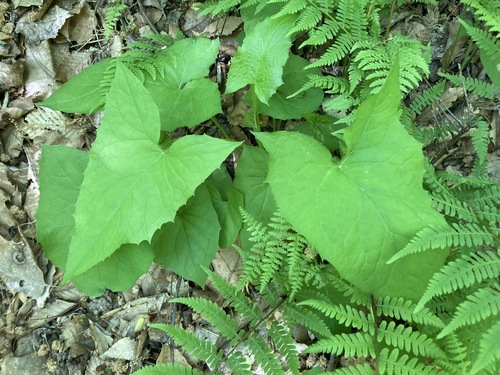
Nabalus is a genus of about 15 perennial herbs in the daisy family (Asteraceae), native to eastern North America and temperate eastern Asia, with most species in the woodlands of the eastern United States and Canada. Long included in Prenanthes, these plants grow from a tuberous or knotted rootstock and send up leafy stems 1-6 feet (30-180 cm) tall that exude milky sap when cut. The leaves are highly variable even on a single plant, ranging from triangular and unlobed to deeply three- to five-lobed, with the lower leaves the largest. Small nodding flower heads hang in branched clusters along the upper stem, each head made of 5 to 30 strap-shaped ray florets in white, cream, greenish, pink, or pale purple, often with a fringe of brownish or purplish bristles. Bloom comes in late summer and autumn, later than most woodland wildflowers, and is followed by dry seeds carried on a pappus. The common name rattlesnake root comes from historical folk use of the milky sap against snakebite. Plants grow in rich, moist woods, clearings, and shaded banks. The drooping, bell-like heads on tall stems separate the genus from its upright-flowered relatives.
Native Range
Nabalus species are native to eastern North America, from Canada south through the eastern and central United States, and to temperate eastern Asia. They grow in rich deciduous and mixed woods, woodland edges, clearings, and shaded streambanks.Suggested Uses
Nabalus is grown in woodland and shade gardens, native-plant borders, and naturalistic plantings for its late-season nodding flowers, spaced 18-24 inches (45-60 cm) apart. It suits the dappled shade beneath deciduous trees alongside ferns and other woodland perennials. The tall stems add height to the back of a shaded bed.How to Identify
Appearance
Size & Dimensions
Height1' - 6'
Width/Spread1' - 2'
Bloom Information
Nabalus flowers in late summer and autumn, generally August to October, after most spring and summer woodland wildflowers have finished. The nodding heads open from the top of the cluster downward over several weeks. Flower color ranges from white and cream to greenish, pink, and pale purple depending on the species.
Detailed Descriptions
Flower Description
white, cream, greenish, pink, or pale purpleFoliage Description
greenGrowing Conditions
Sun Requirements
Requires 2-6 hours of direct sunlight daily
• Full Sun: 6+ hours of direct sunlight
• Partial Shade: 3-6 hours of direct sunlight
• Full Shade: Less than 3 hours of direct sunlight