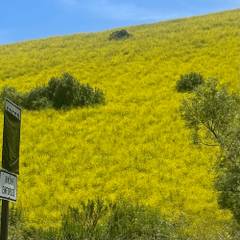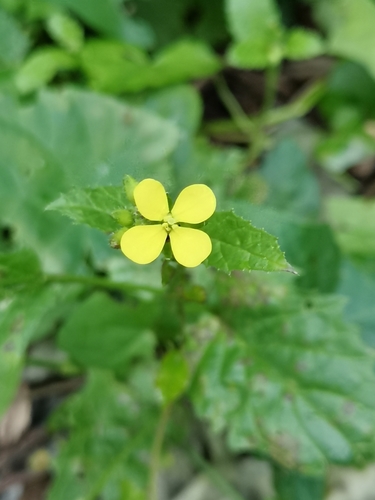
Mutarda, Genus, spp., Multiple species,
- Genus
- Multiple species
Mediterranean, Europe, and western Asia
Overview
Mutarda is a genus of annual herbaceous plants in the mustard family (Brassicaceae), segregated from Sinapis and Brassica and including wild and cultivated mustards such as M. arvensis and M. alba. Plants grow erect, branching stems 30–100 cm (12–39 in) tall from a slender taproot. Lower leaves are lyrate to pinnately lobed and bristly-haired, 5–20 cm (2–8 in) long, while upper leaves are smaller and less divided. Flowers are borne in elongating racemes, each with four yellow petals in the cross-shaped arrangement typical of the family, 6–12 mm (0.25–0.5 in) across, and are pollinated by insects and by self-fertilisation. The fruit is a slender cylindrical silique 2–5 cm (0.8–2 in) long ending in a flattened beak, splitting to release round seeds. Species germinate quickly, flower within weeks, and complete their cycle in one season, often setting several thousand long-lived seeds per plant. Several species are widespread weeds of disturbed and cultivated ground, and some are grown as oilseed, condiment, or salad crops. Growth is quick in cool, moist conditions, and plants bolt and senesce rapidly in heat and drought.
Native Range
Species of Mutarda are native to the Mediterranean region, Europe, and western Asia. Through cultivation and as agricultural weeds they have naturalised across temperate and subtropical regions on every inhabited continent.Suggested Uses
Grown as a culinary mustard, oilseed, salad green, and cover or green-manure crop. Sown in pollinator and wildflower plantings for early nectar. The self-seeding habit suits informal areas rather than tidy borders.How to Identify
Appearance
Size & Dimensions
Height1' - 3'3"
Width/Spread9" - 1'6"
Bloom Information
Flowering begins in spring and continues through summer, generally April to August, with plants in mild climates blooming nearly year-round. Each raceme elongates as it flowers, opening from the base upward over several weeks. Bloom is followed quickly by ripening siliques.
Detailed Descriptions
Foliage Description
green to grey-greenGrowing Conditions
Sun Requirements
Requires 6-12 hours of direct sunlight daily
• Full Sun: 6+ hours of direct sunlight
• Partial Shade: 3-6 hours of direct sunlight
• Full Shade: Less than 3 hours of direct sunlight
Water & Climate
Water Needs
Care & Maintenance
Care Guide
Grow Mutarda in full sun in moist, fertile, well-drained soil. Plants take a wide pH range from about 5.5 to 7.5 and many soil textures but flower and set seed quickest in cool spring weather. Sow seed directly into prepared ground, as the slender taproot does not transplant well. Steady moisture extends the leafy and flowering period, while heat and drought trigger early bolting and seed set. Plants need little feeding on average soils. Self-sown seedlings appear readily and can persist for years in the soil seed bank.Pruning
As a fast-growing annual, Mutarda needs no formal pruning. Pinching the main stem early encourages branching and more flowering racemes. Removing spent racemes before the siliques ripen limits prolific self-seeding.Container Growing
Suitable for container growing
Minimum container size: 3 gallons
Toxicity Warning
Toxic to petsPlanting Guide
Planting Methods & Timing
Planting Method
direct sow
Direct Sow Timing
Early spring as soon as soil can be worked, with successional sowings through spring
Days to Maturity
40–95 days
Plant Spacing
6 inches
Companion Planting
Good Companions
Avoid Planting With