Musa, Genus, basjoo, Species,
- Genus & species
hardy banana
Japan — the Ryukyu Islands and southern Honshu; the most cold-hardy banana in the world
Overview
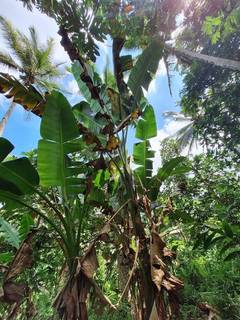
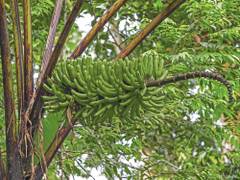
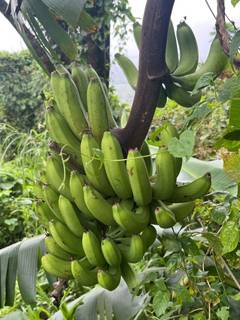
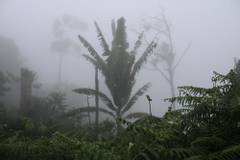
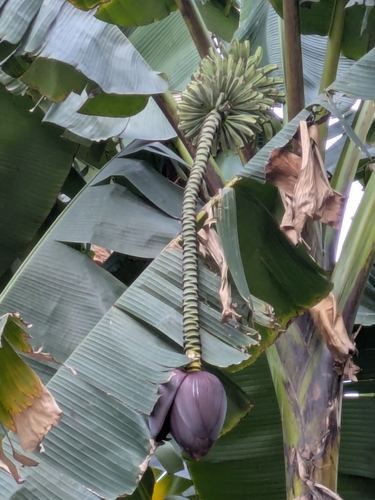
Musa basjoo is the hardy banana — the most cold-hardy banana in the world, capable of surviving zone 5 winters with heavy mulching. The pseudostem (false stem made of rolled leaf sheaths, not true wood) grows 72–144 inches (180–360 cm) tall in a single growing season — one of the fastest-growing perennials on earth. Enormous bright green paddle-shaped leaves 3–5 feet (90–150 cm) long create an instant tropical effect in temperate gardens. The species is native to Japan — the 'basjoo' name comes from the Japanese word for banana, and the famous poet Matsuo Basho took his pen name from the banana plant outside his writing hut. In zones 5–7, the pseudostem dies completely to the ground after frost, but the underground rhizome survives with 12 inches (30 cm) of mulch protection. New pseudostems emerge rapidly in spring. In zones 8–10, the pseudostem may survive winter intact and can eventually flower. The small fruits are seedy and inedible. Rich, moist soil and heavy feeding produce the tallest growth. Shelter from wind prevents leaf shredding. Non-toxic. Deer may eat the foliage.
Native Range
Musa basjoo is native to Japan — the Ryukyu Islands and southern Honshu.Suggested Uses
Used as a tropical statement plant, in poolside gardens, as a summer screen, and in large containers (15+ gallons / 57+ liters). The instant tropical effect in temperate gardens. The hardiest banana for cold-climate gardeners who want tropical drama. Named for the poet Basho.How to Identify
Appearance
Size & Dimensions
Height6' - 12'
Width/Spread5' - 8'
Colors
Bloom Information
Rarely flowers in cold climates. The enormous tropical foliage is the display. Grows 6–12 feet in a single season.
Detailed Descriptions
Flower Description
Yellow-orange, pendulous, in large inflorescences (rarely seen in cold climates)Foliage Description
Bright green, very large (3-5 feet / 90-150 cm long), paddle-shaped, tropicalGrowing Conditions
Sun Requirements
Requires 5-10 hours of direct sunlight daily
• Full Sun: 6+ hours of direct sunlight
• Partial Shade: 3-6 hours of direct sunlight
• Full Shade: Less than 3 hours of direct sunlight
Care & Maintenance
Care Guide
Plant in full sun. Rich, moist soil. Heavy feeder — fertilize regularly for maximum height. Shelter from wind to prevent leaf shredding. After frost: cut pseudostem to ground and mulch root zone 12 inches deep. Non-toxic.Pruning
Cut frost-killed pseudostem to the ground. Apply 12 inches of mulch over the crown for winter protection. Remove mulch gradually in spring as new growth emerges.Pruning Schedule
Prune: April & November
fallspring
Container Growing
Suitable for container growing
Minimum container size: 15 gallons