Image 1 of 3
1 / 3
© No machine-readable author provided. Jolle~commonswiki assumed (based on copyright claims)., some rights reserved (CC-BY-SA) · Wikimedia Commons
Murraya, Genus, spp., Multiple species,
- Genus
- Multiple species
orange jasmine and curry tree
Tropical and subtropical Asia and Australasia
Overview
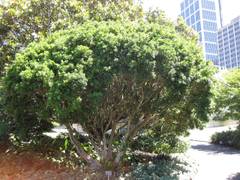
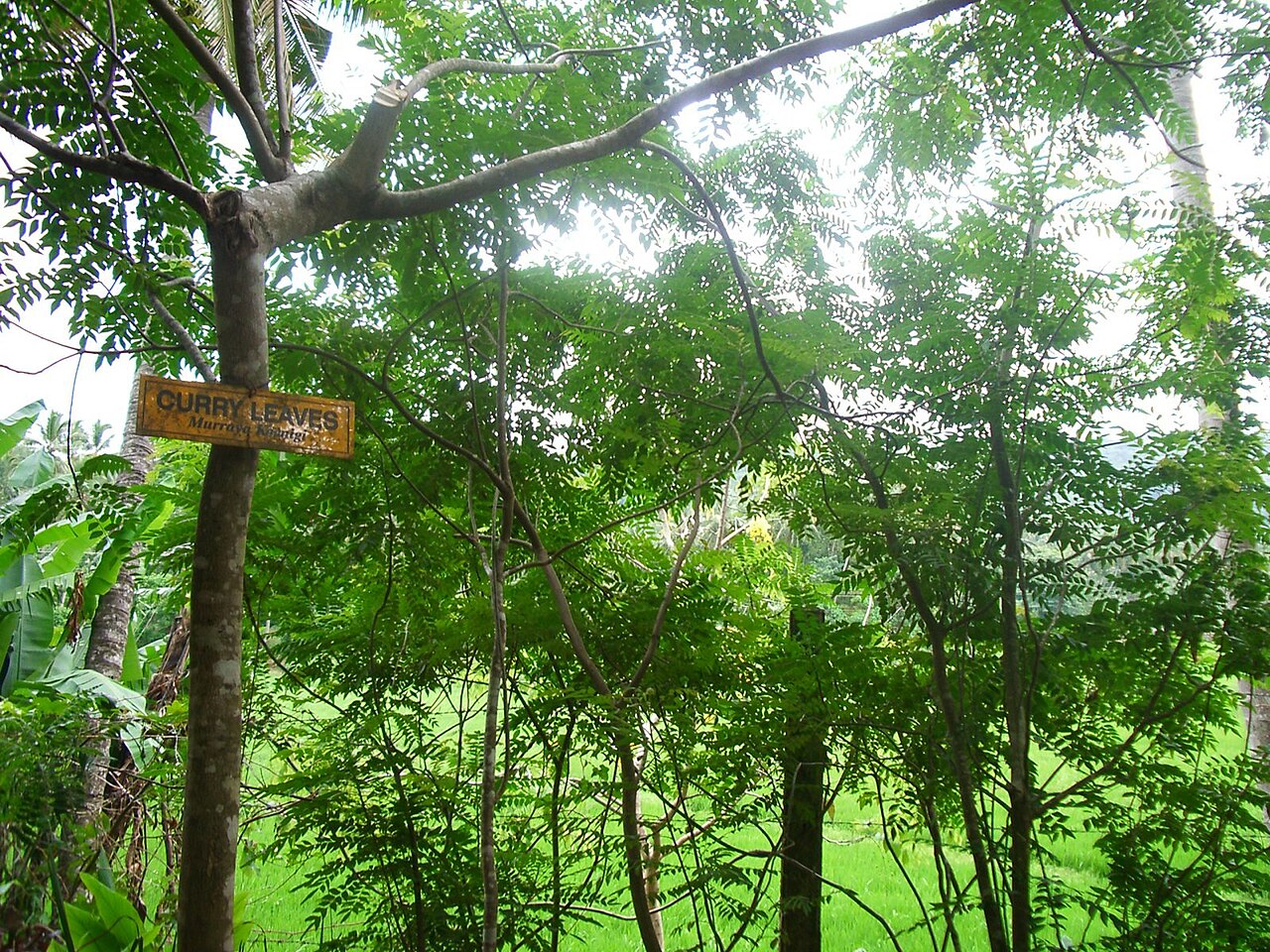
Murraya is a genus of about 12 species of evergreen shrubs and small trees in the citrus family, native to tropical and subtropical Asia, northern Australia, and the Pacific. Plants carry glossy, pinnate (feather-like) leaves divided into many small leaflets that are dotted with oil glands and aromatic when crushed. Clusters of white, five-petalled flowers, strongly scented in many species, appear through the warm months and are followed by small berries that ripen orange to red. Orange jasmine (M. paniculata) is grown as a hedge and specimen for its scented flowers, while the curry tree (M. koenigii) is grown for its leaves, used as a seasoning in South Asian cooking. The genus is frost-tender and is killed or cut back by temperatures near freezing. In some warm regions M. paniculata has naturalized and is treated as a weed, and it can host citrus pests and disease.
Native Range
Murraya is native to tropical and subtropical Asia, ranging from India and southern China through Southeast Asia to northern Australia and the western Pacific islands. Species grow in lowland forest, forest edges, and scrub. M. koenigii occurs naturally in the foothills of the Himalayas and across the Indian subcontinent.Suggested Uses
Grown as hedges, screens, foundation shrubs, and clipped specimens in frost-free gardens, and in containers elsewhere. M. koenigii is grown in herb and kitchen gardens for its leaves. Plants are spaced 3 to 6 feet (0.9 to 1.8 m) apart for a hedge and wider as specimens.How to Identify
Appearance
Size & Dimensions
Height6' - 20'
Width/Spread6' - 12'
Bloom Information
In warm climates flowering occurs in flushes through spring, summer, and fall, often several times a year, and can be triggered by rain after a dry spell. The white flowers are short-lived but heavily scented, especially in M. paniculata. Berries follow and ripen over several weeks.
Detailed Descriptions
Foliage Description
greenGrowing Conditions
Sun Requirements
Requires 5-9 hours of direct sunlight daily
• Full Sun: 6+ hours of direct sunlight
• Partial Shade: 3-6 hours of direct sunlight
• Full Shade: Less than 3 hours of direct sunlight
Care & Maintenance
Care Guide
Plants grow in full sun to part shade and moist, fertile, well-drained soil, and grow steadily in warm, humid conditions. Watering is needed in dry spells, as the foliage wilts and drops in drought, though established plants tolerate brief dryness. The genus is frost-tender and is grown in containers moved under cover where winters are cold. Plants respond to light feeding through the growing season with denser growth and more flowers. Scale, whitefly, and sooty mold are common pests, and orange jasmine can carry citrus greening disease in citrus-growing regions.Pruning
Plants tolerate regular trimming and are clipped as hedges or shaped as small trees, usually after a flush of bloom. Hard pruning into old wood is followed by fresh growth from the base. Curry trees are kept lower by tip-pruning to draw out leafy shoots for harvest.Container Growing
Suitable for container growing
Minimum container size: 5 gallons