Monnina, Genus, spp., Multiple species,
- Genus
- Multiple species
Americas (southern USA to the Andes)
SunFull Sun – Part Shade
WaterMedium
Overview
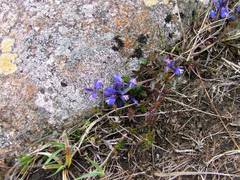
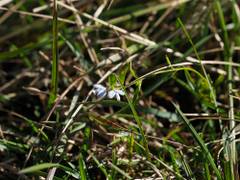
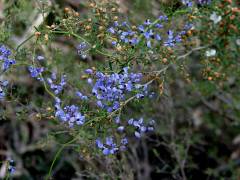
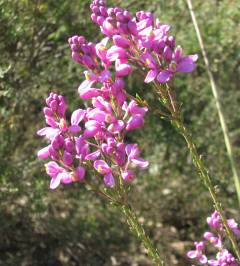
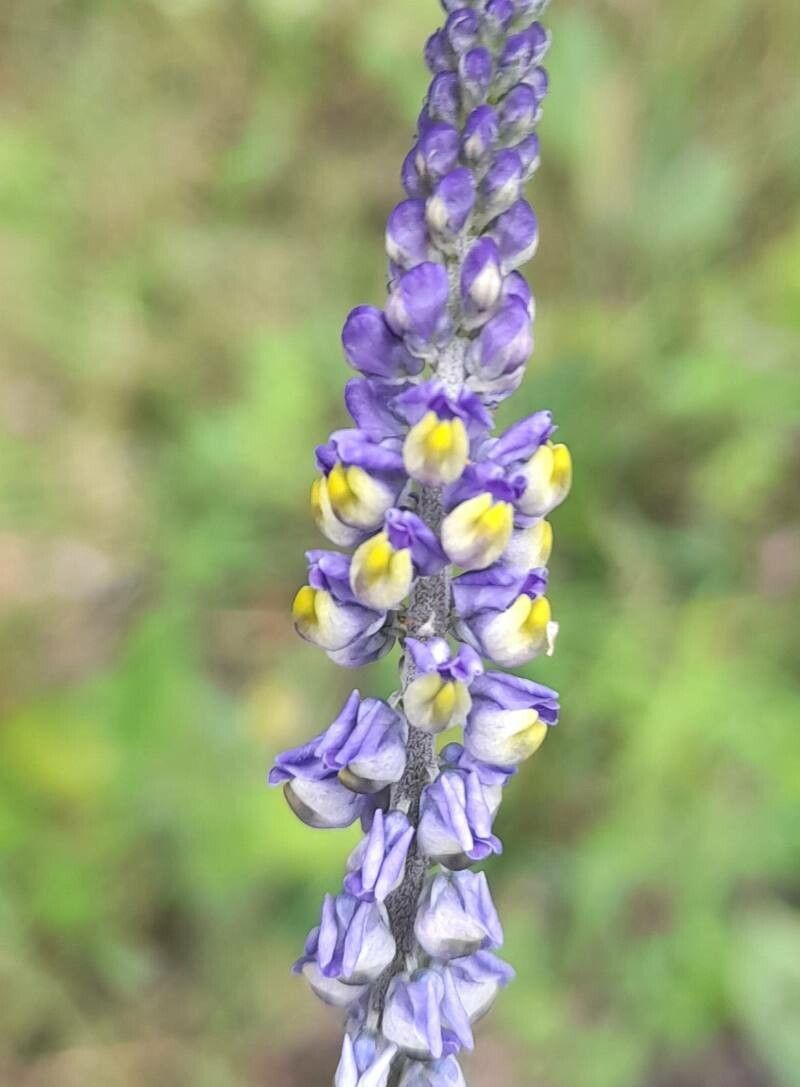
Monnina is a genus of roughly 150 species of annual and perennial herbs, shrubs, and small trees in the milkwort family, Polygalaceae, native to the warmer regions of the Americas. The genus reaches its greatest diversity in the Andes of South America, with further species in Central America, Mexico, and the southern United States. Plants range from low herbs of 8-24 inches (20-60 cm) to shrubs and small trees of 6-20 feet (1.8-6 m), depending on species. Leaves are simple, alternate, untoothed, and 0.4-4 inches (1-10 cm) long, with shapes from narrow to broadly elliptic. Flowers are small and bilaterally symmetric, carried in slender terminal or axillary racemes, and built from five sepals, two of them enlarged and petal-like, with a keel of fused lower petals shared across the milkwort family. Flower color runs from deep blue and violet to white and yellow across the genus. The fruit is a small drupe, frequently blue to blue-black at maturity, and in some species fleshy and bird-dispersed. Several Andean species hold traditional uses as soap substitutes and dye sources. Most species occupy montane forest edges, scrub, and grassland, and frost tolerance is limited across much of the genus. Cultivation outside native ranges is uncommon, and detailed horticultural data are sparse for most species.
Native Range
Monnina is native to the Americas, from the southern United States through Mexico and Central America into the Andes of South America. The genus is most diverse in montane regions of Peru, Bolivia, and Ecuador. It does not occur naturally outside the New World.Suggested Uses
Monnina species are grown occasionally in botanical collections and native plantings within their home ranges. Shrubby species are used in montane gardens for their blue-flowered racemes and blue fruit. Some Andean species have traditional uses as soap substitutes and natural dyes.How to Identify
Appearance
Size & Dimensions
Height8" - 20'
Bloom Information
Flowering varies by species and elevation, with many species blooming in spring and summer and tropical montane species flowering across a longer season. Racemes open progressively from the base upward. Blue to blue-black drupes follow within several weeks of flowering.
Detailed Descriptions
Flower Description
blue, violet, white, or yellowFoliage Description
greenGrowing Conditions
Sun Requirements
Requires 5-10 hours of direct sunlight daily
• Full Sun: 6+ hours of direct sunlight
• Partial Shade: 3-6 hours of direct sunlight
• Full Shade: Less than 3 hours of direct sunlight
Soil Requirements
Drainagewell drained