Image 1 of 8
1 / 8
© Copyright by Curtis Clark, licensed as noted, some rights reserved (CC-BY-SA) · Wikimedia Commons
Mirabilis, Genus, laevis, Species,
- Genus & species
wishbone bush
Southwestern United States and northern Mexico
Overview
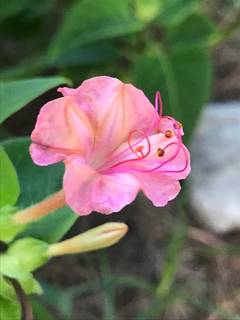
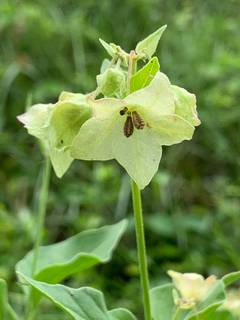
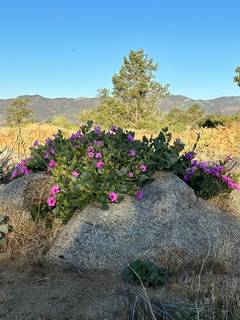
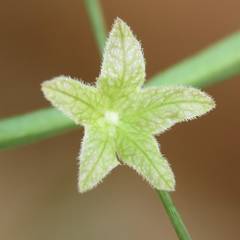
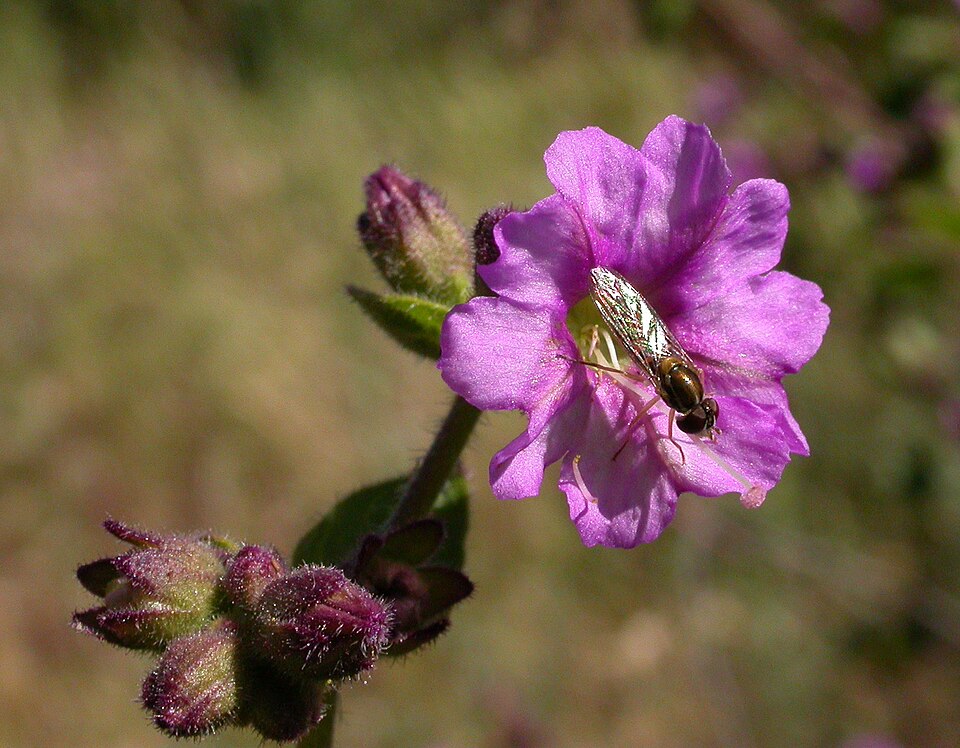
Mirabilis laevis is a herbaceous to woody-based perennial of the southwestern United States and northern Mexico, forming a rounded mound 1-3 feet (30-90 cm) tall and about as wide. The stems fork repeatedly at wide angles, a pattern that gives the plant its wishbone name, and carry fleshy, ovate gray-green leaves 0.5-1.5 inches (1-4 cm) long. Tubular flowers 0.5-0.75 inch (1.3-2 cm) wide open from late afternoon into the night and close by midmorning, ranging from white through pink to deep magenta. Each bloom sits in a green cup that enlarges to hold the single seed. The plant grows on rocky slopes, washes, and desert flats below 7,000 feet (2,100 m), dying back in drought and reviving with rain. Its night-opening flowers draw hawk moths and other nocturnal pollinators. The sprawling, open habit and the brief daily bloom window make the flowers inconspicuous during daylight hours.
Native Range
Native to the southwestern United States and northern Mexico, from California and Nevada east to Utah and Arizona, on desert slopes and washes.Suggested Uses
Used in desert, rock, and native plant gardens and in unirrigated xeric borders. The night flowers suit moon gardens and moth-pollinator plantings. It combines with cacti, agaves, and other arid-climate natives.How to Identify
Appearance
Size & Dimensions
Height1' - 3'
Width/Spread1' - 3'
Colors
Bloom Information
Flowers open from March to June, and again after summer rains in some years. Blooms unfold in late afternoon, stay open overnight, and close by midmorning. Flowering follows soil moisture rather than a fixed calendar.
Detailed Descriptions
Flower Description
white to pink to magentaFoliage Description
gray-greenGrowing Conditions
Sun Requirements
Requires 6-12 hours of direct sunlight daily
• Full Sun: 6+ hours of direct sunlight
• Partial Shade: 3-6 hours of direct sunlight
• Full Shade: Less than 3 hours of direct sunlight
Care & Maintenance
Care Guide
Grows in full sun in dry, rocky, fast-draining soils with a pH of 6.5-8.0, including sand, decomposed granite, and caliche. Established plants are drought adapted and rot in soils that stay wet. Watering is needed only during prolonged dry spells in cultivation. The plant dies back during deep drought and resprouts from a woody base when rain returns. Hardy in USDA zones 8-10. Few pests or diseases affect it in well-drained sites.Pruning
Dead stems are trimmed back in late winter to tidy the mound before new growth. Light shearing after the main bloom keeps the form compact. No routine pruning is otherwise required.Pruning Schedule
Prune: February
winter