Mimulus, Genus, ringens, Species,
- Genus & species
allegheny monkeyflower
Overview
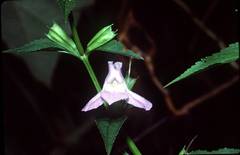
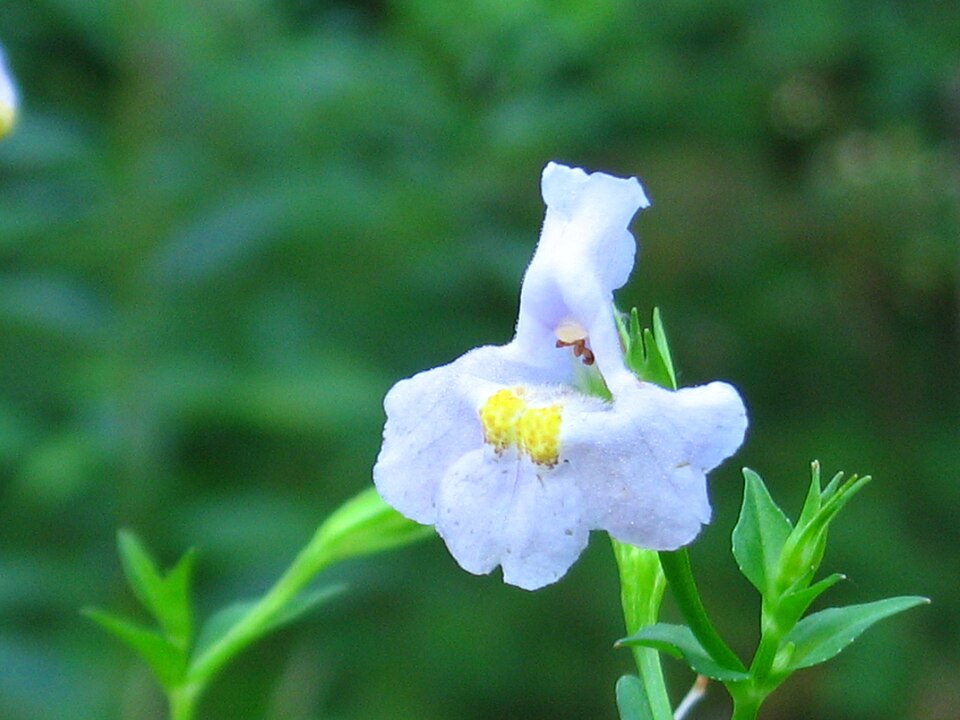
Mimulus ringens is an upright herbaceous perennial in the lopseed family, growing 1-3 feet (30-90 cm) tall on smooth, four-angled stems. The stalkless, lance-shaped leaves are 2-4 inches (5-10 cm) long, opposite, and toothed, clasping the square stem. From early summer into early fall it bears two-lipped tubular flowers about 1 inch (2.5 cm) long, blue-violet to lavender with a paler, often yellow-marked throat, carried singly on long stalks from the upper leaf axils. The flowers have an upper lip of two lobes and a lower lip of three. Native to wet meadows, marsh edges, stream banks, and ditches across central and eastern North America, the plant spreads by short rhizomes into loose colonies. It needs consistently moist to wet soil and full sun to part shade. In drier ground the foliage scorches and growth weakens. Stems die back to the ground in winter and reappear in spring. Seed forms in small capsules that split to release numerous tiny seeds.
Native Range
Native to central and eastern North America, from Quebec and Manitoba south to Texas and Georgia. It grows in wet meadows, marshes, stream banks, pond margins, and ditches.Suggested Uses
Mimulus ringens is grown in rain gardens, bog gardens, pond and stream margins, and moist borders, and naturalizes in wetland restorations. Its flowers draw bees, especially bumblebees, and hummingbirds.How to Identify
Appearance
Size & Dimensions
Height1' - 3'
Width/Spread1' - 1'6"
Bloom Information
Detailed Descriptions
Foliage Description
greenGrowing Conditions
Sun Requirements
Requires 4-10 hours of direct sunlight daily
• Full Sun: 6+ hours of direct sunlight
• Partial Shade: 3-6 hours of direct sunlight
• Full Shade: Less than 3 hours of direct sunlight
Care & Maintenance
Care Guide
Mimulus ringens grows in full sun to part shade in consistently moist to wet, fertile soil, and tolerates shallow standing water at pond and stream edges. It needs reliable moisture and declines quickly in dry ground. Plants spread by rhizomes and self-seed in suitable sites, forming colonies. Division in spring keeps clumps vigorous and controls spread. A layer of mulch helps retain soil moisture in garden beds.Pruning
No routine pruning is needed. Stems can be cut back to the ground after they die in late fall or winter. Removing spent flower stalks before seed sets limits self-sowing.Container Growing
Suitable for container growing
Minimum container size: 2 gallons