Mimulus, Genus, spp., Multiple species,
- Genus
- Multiple species
monkeyflower
Centered on the Americas, with species in Australia, Asia, and southern Africa
Overview
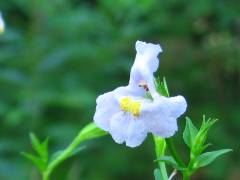
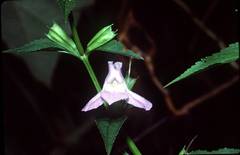
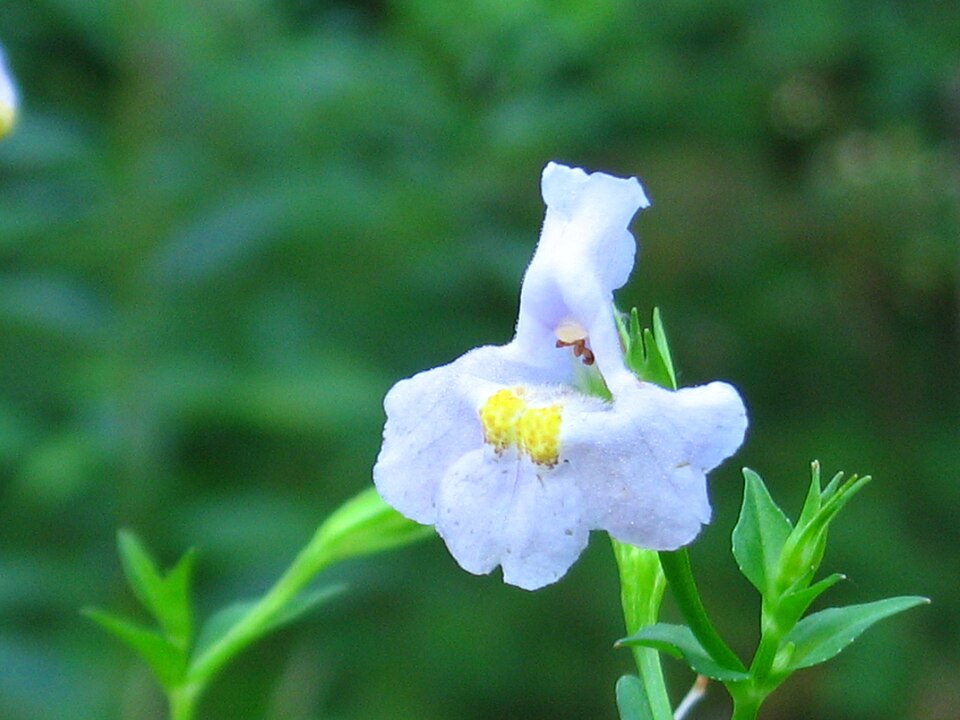
Mimulus, the monkeyflowers, is a genus of annual and perennial herbs and a few soft shrubs in the family Phrymaceae, centered on the Americas with additional species in Australia, Asia, and southern Africa; many species have been reclassified into the related genera Erythranthe and Diplacus. Plants range from 6-36 inches (15-90 cm) tall, with opposite leaves and stems that may be upright, sprawling, or trailing. The flowers are tubular and two-lipped, the lower lip often spotted or blotched and the flared mouth giving the grinning, face-like look that earns the common name. Colors span yellow, orange, red, pink, and purple, with many species marked in a contrasting throat. Flowering runs through late spring and summer, sometimes into autumn where moisture lasts. Habitats vary widely: some species grow along stream banks, seeps, and wet meadows, while others occupy dry, rocky slopes and chaparral. Pollinators include bees and, in red-flowered species, hummingbirds. Across the genus, the moisture-loving species need steady water while the dry-country species need sharp drainage, so growing conditions are matched to the species at hand.
Native Range
Mimulus in the broad sense is centered on the Americas, especially western North America, with additional native species in Australia, eastern Asia, and southern Africa. Wetland species such as M. guttatus follow streams and seeps, while dry-ground species occupy rocky slopes.Suggested Uses
Used at pond and stream margins, in bog gardens, damp borders, and containers for the moisture-loving species, and in rock gardens and dry banks for the drought-tolerant ones. The bright two-lipped flowers suit pollinator and hummingbird plantings. Trailing forms are also grown to spill from baskets and over walls.How to Identify
Appearance
Size & Dimensions
Height6" - 3'
Width/Spread8" - 2'
Bloom Information
Flowering runs from late spring through summer, extending into autumn where soil moisture persists. Individual flowers are short-lived but are produced in succession over many weeks. Bees pollinate most species, while red-flowered monkeyflowers draw hummingbirds.
Detailed Descriptions
Flower Description
Yellow, orange, red, pink, or purpleFoliage Description
GreenGrowing Conditions
Sun Requirements
Requires 4-10 hours of direct sunlight daily
• Full Sun: 6+ hours of direct sunlight
• Partial Shade: 3-6 hours of direct sunlight
• Full Shade: Less than 3 hours of direct sunlight
Care & Maintenance
Care Guide
Growing conditions depend on the species: wetland monkeyflowers grow in full sun to part shade on constantly moist to wet soils at pond and stream margins, while dry-country species need full sun and sharp drainage and resent wet feet. Most grow in fertile soil and respond to steady moisture during the flowering season. Many of the perennials are short-lived but self-seed or root from trailing stems. In cold regions the tender species are grown as annuals or lifted over winter. Cutting plants back after the first flush often brings a second round of bloom where moisture allows. Aphids and spider mites can build up on stressed plants.Pruning
Pruning is light. Shearing plants back by about a third after the main flush encourages fresh growth and repeat flowering where moisture is steady. Spent and frost-damaged stems are cut away at the end of the season, and trailing rooted pieces can be detached to make new plants.Pruning Schedule
Prune: July & October
summerfall
Container Growing
Suitable for container growing
Minimum container size: 2 gallons