Metzgeria, Genus, spp., Multiple species,
- Genus
- Multiple species
veilwort
Cosmopolitan; moist temperate and tropical regions worldwide
SunPart Shade – Full Shade
WaterHigh
Overview
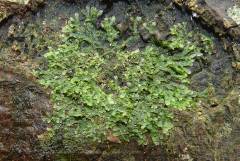
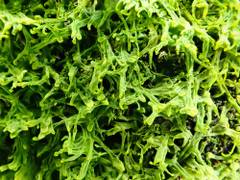
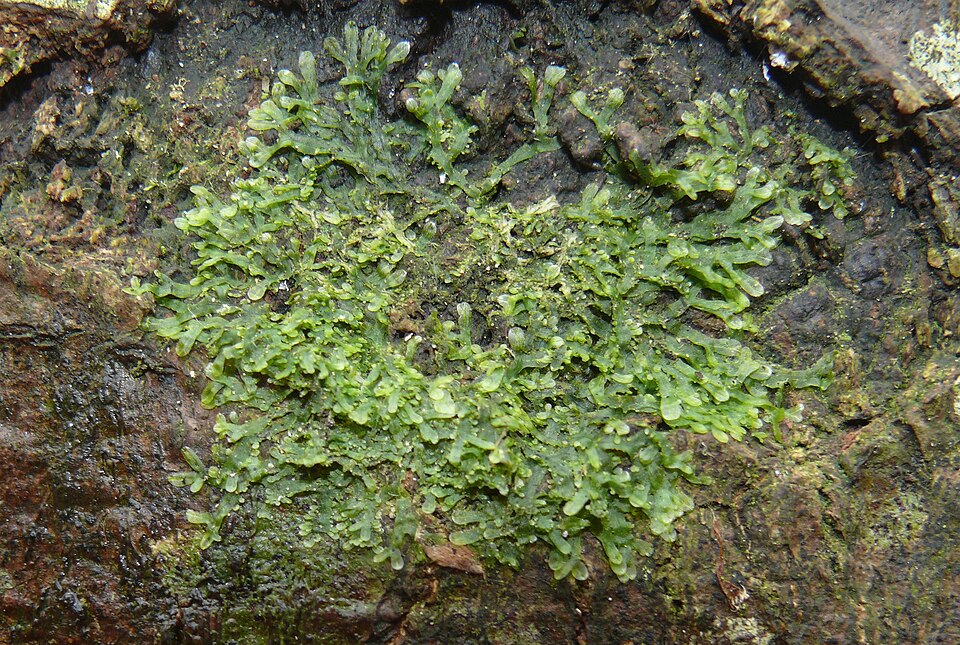
Metzgeria is a genus of thalloid liverworts in the family Metzgeriaceae, with roughly a hundred species distributed across temperate and tropical regions worldwide. Rather than stems and leaves, each plant consists of a thin, flat, ribbon-like green thallus only one or two cells thick at the margins, with a slightly thickened central midrib. The thallus branches repeatedly in a forking, Y-shaped pattern and is usually 0.04-0.08 inch (1-2 mm) wide, forming pale to mid-green patches or webs over its substrate. Most species grow as epiphytes on the bark of trees and shrubs, while others coat damp rocks and boulders in humid, shaded forest. Slender colorless hairs along the margins and underside help the plant cling to surfaces and take up moisture. Like other liverworts, Metzgeria has no true roots, flowers, or seeds; it absorbs water and nutrients directly across its surface and depends on a moist, humid setting to stay active. Reproduction is by spores from short-lived sporophytes and by detached fragments and gemmae. Colonies expand slowly and persist year-round where humidity remains high, retreating to dormancy when surfaces dry.
Native Range
Metzgeria is cosmopolitan, occurring on every continent except Antarctica in moist temperate and tropical forests. Species such as M. furcata are widespread across Europe, Asia, and North America on tree bark and shaded rock.Suggested Uses
Grown on shaded, humid surfaces in terrariums, bog and fern gardens, and on damp rockwork and bark features. The genus contributes to naturalistic moss-and-liverwort plantings and living walls kept constantly moist. Its presence on trees is also used as an indicator of clean, humid air.How to Identify
Appearance
Size & Dimensions
Width/Spread4" - 1'
Bloom Information
Metzgeria does not flower. Reproduction is by spores released from short-lived sporophytes, supplemented by marginal gemmae and fragments of thallus that grow into new plants. Spore release depends on humid conditions rather than a fixed season.
Detailed Descriptions
Foliage Description
GreenGrowing Conditions
Sun Requirements
Tolerates up to 3 hours of direct sunlight daily
• Full Sun: 6+ hours of direct sunlight
• Partial Shade: 3-6 hours of direct sunlight
• Full Shade: Less than 3 hours of direct sunlight
Water & Climate
Water Needs
Care & Maintenance
Care Guide
As a moisture-dependent liverwort, Metzgeria grows where humidity stays high and surfaces remain damp, in shade to partial shade on bark or rock. It needs no soil, drawing water and minerals across its thallus, and is intolerant of drying winds and direct midday sun. Clean, humid air suits the genus, and several species are sensitive to air pollution. In cultivation within terrariums or shaded fern walls, steady moisture and indirect light keep colonies active. Growth is slow, and disturbed patches recover gradually. Surfaces that dry out cause the thallus to curl and go dormant until moisture returns.Pruning
No pruning is required. Colonies are left undisturbed, as the thin thallus is easily torn. Detached fragments can be pressed onto damp bark or rock to start new growth.Container Growing
Suitable for container growing