Metrosideros, Genus, spp., Multiple species,
- Genus
- Multiple species
Rātā and allies
New Zealand, Hawaii, and the Pacific, with one species in South Africa
Overview
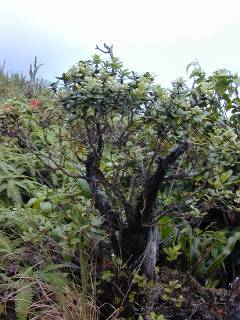
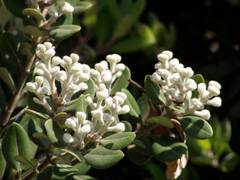
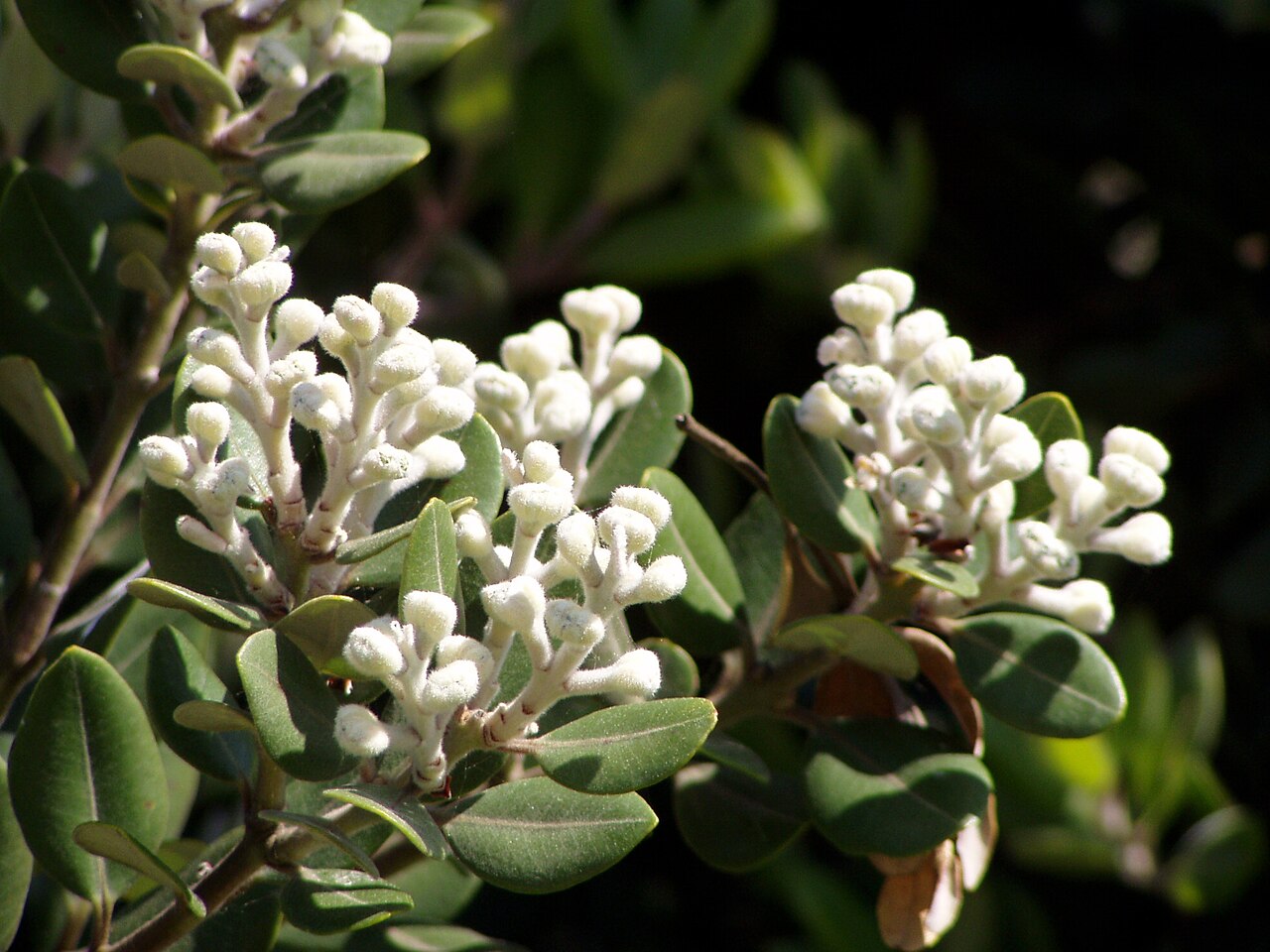
Metrosideros is a genus of about 50 evergreen trees, shrubs, and woody climbers in the myrtle family (Myrtaceae), centred on the Pacific, with species in New Zealand, Hawaii, many Pacific islands, and one in South Africa. The group includes the New Zealand pohutukawa M. excelsa and northern rata M. robusta and the Hawaiian ohia lehua M. polymorpha, the dominant tree of many Hawaiian forests. Plants range from low coastal shrubs to forest trees 80 feet (25 m) tall, several beginning life as climbers or epiphytes that later stand alone. The leathery, often grey-felted leaves set off dense brush-like flowers in which the colour comes from a mass of long stamens, most often crimson to scarlet but also orange, pink, yellow, or white. Flowering is heavy in late spring and summer and draws nectar-feeding birds. Metrosideros tolerates wind, salt, and poor volcanic or coastal soils but is frost-tender, and several species are now threatened by the fungal diseases myrtle rust and rapid ohia death. The blaze of stamen-rich flowers is the main seasonal feature.
Native Range
Metrosideros is native to the Pacific region, with major centres in New Zealand and Hawaii and further species across the Pacific islands, Malesia, and one in South Africa. Pohutukawa M. excelsa grows along New Zealand coasts, while ohia M. polymorpha dominates Hawaiian forests from sea level to high elevations.Suggested Uses
Used as coastal and street trees, windbreaks, large shrubs, and clipped hedges in frost-free and Mediterranean climates, and as container or conservatory plants where winters are cold. Trees are spaced 15-30 feet (4.5-9 m) apart for their broad crowns. The hardier climbing species are grown on walls and tree trunks.How to Identify
Appearance
Size & Dimensions
Height3' - 80'
Width/Spread6' - 40'
Bloom Information
Most Metrosideros flower in late spring and summer; the New Zealand pohutukawa blooms around December, giving it the name New Zealand Christmas tree, while Hawaiian ohia can flower much of the year. The stamen-rich flowers open over several weeks and draw nectar-feeding birds. Bloom is heaviest on mature trees in full sun.
Detailed Descriptions
Flower Description
crimson to scarlet, also orange, pink, yellow, or whiteFoliage Description
dark green, often grey-felted beneathGrowing Conditions
Sun Requirements
Requires 6-12 hours of direct sunlight daily
• Full Sun: 6+ hours of direct sunlight
• Partial Shade: 3-6 hours of direct sunlight
• Full Shade: Less than 3 hours of direct sunlight
Care & Maintenance
Care Guide
Grow Metrosideros in full sun in free-draining, slightly acidic soil with a pH around 5.0-6.5; the plants tolerate coastal salt, wind, and poor volcanic ground. They need shelter from frost and are killed or damaged below about 25F (-4C), so in cool climates they are grown in containers and moved under cover for winter. Water young plants through dry spells until established, after which they tolerate drought. Light feeding suits container plants. In regions where myrtle rust or rapid ohia death occur, new plantings and pruning are managed to limit the spread of these diseases. Plants respond well to trimming and shaping.Pruning
Prune after flowering to shape the plant, reduce size, or train young climbers, as the wood resprouts readily from old growth. Coastal pohutukawa tolerates hard cutting and hedging. In myrtle-rust areas, pruning tools are cleaned between plants to limit the spread of the fungus.Container Growing
Suitable for container growing
Minimum container size: 5 gallons