Metrosideros, Genus, polymorpha, Species,
- Genus & species
ʻōhiʻa lehua
Overview
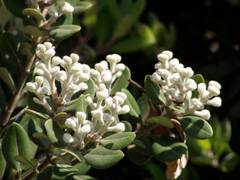
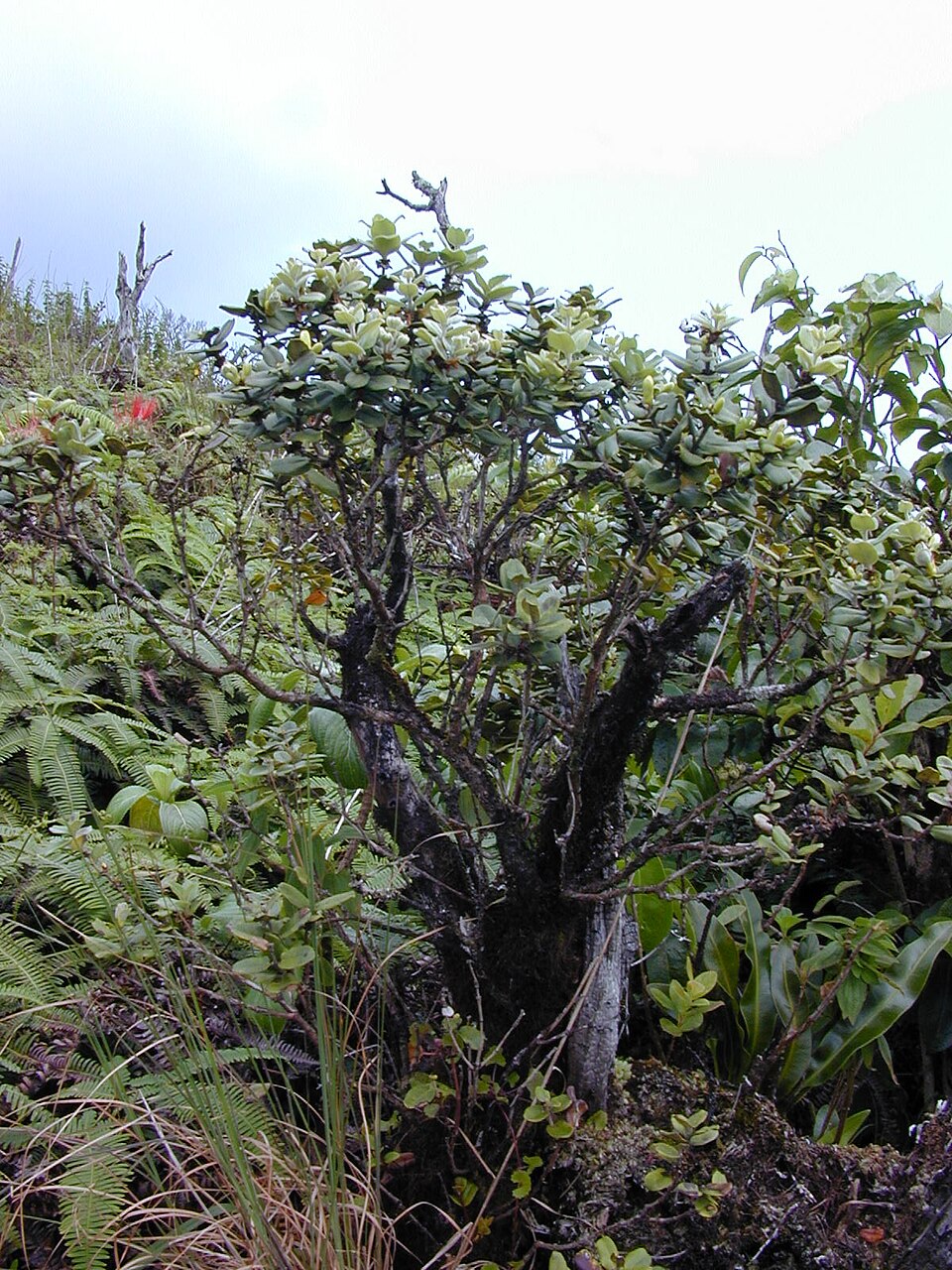
Metrosideros polymorpha, known as ohia lehua, is an evergreen tree endemic to the Hawaiian Islands, where it forms the dominant canopy of the islands native forests. Its form ranges from a low, wind-shaped shrub 3 feet (1 m) tall on exposed lava and bog to a forest tree 60-100 feet (18-30 m) tall, reflecting the variability captured in the species name. The leathery, rounded to oval leaves are 1-3 inches (2.5-8 cm) long, often with woolly grey hairs on new growth that age to smooth dark green. Dense clusters crown the branch tips, each bloom a pompom of long stamens, usually scarlet but also orange, salmon, yellow, or white in some populations. The flowers, called lehua, supply nectar to the native honeycreepers apapane and iiwi and to native insects. M. polymorpha colonizes fresh lava flows, growing from cracks where little else establishes, and ranges from sea level to about 8,200 feet (2,500 m). It anchors wet and mesic Hawaiian forests as a foundation species. One limitation is its susceptibility to Rapid Ohia Death, a fungal disease caused by Ceratocystis species that has killed large stands since the 2010s.
Native Range
Metrosideros polymorpha is endemic to the Hawaiian Islands, where it occurs on all the main volcanic islands. It grows from coastal lowlands and fresh lava flows up to subalpine zones near 8,200 feet (2,500 m), in habitats from arid scrub to cloud forest and bog.Suggested Uses
Metrosideros polymorpha is grown as a flowering specimen and screen in Hawaiian and frost-free gardens and is central to native forest restoration. Its hard, dense wood has been used for flooring, tools, and carving. The lehua flowers hold deep cultural significance in Hawaiian tradition and hula.How to Identify
Appearance
Size & Dimensions
Height3' - 100'
Width/Spread10' - 30'
Bloom Information
Detailed Descriptions
Flower Description
scarlet, also orange, yellow, or salmonFoliage Description
grey-green to dark greenGrowing Conditions
Sun Requirements
Requires 5-10 hours of direct sunlight daily
• Full Sun: 6+ hours of direct sunlight
• Partial Shade: 3-6 hours of direct sunlight
• Full Shade: Less than 3 hours of direct sunlight