Mertensia, Genus, spp., Multiple species,
- Genus
- Multiple species
bluebells
Temperate North America, Europe, and Asia
Overview
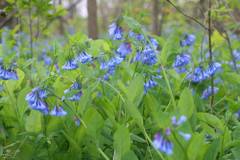
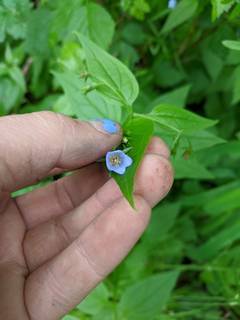
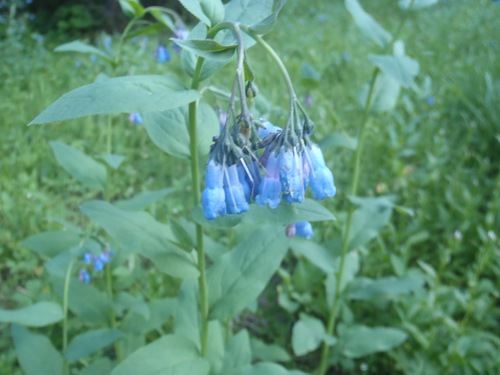
Mertensia is a genus of about 50 species of perennial herbs in the borage family, Boraginaceae, native to cool and temperate regions of North America, Europe, and Asia. Plants form clumps of smooth, often blue-green or grey-green foliage and grow 15-75 cm (6-30 in) tall depending on species. The leaves are oval to lance-shaped, untoothed, and softly textured, sometimes with a fleshy quality in coastal species. The flowers are nodding and tubular to bell-shaped, 1-2.5 cm (0.4-1 in) long, carried in branched, coiled clusters that uncurl as they open; pink to purple buds typically turn sky-blue as the flowers expand, giving a two-toned effect. Mertensia virginica, the Virginia bluebell, is a woodland spring ephemeral that dies back to the ground by midsummer, while M. maritima grows on northern sea shores. The fruit splits into four nutlets. Most species need cool, moist conditions and go dormant or decline in summer heat and drought, which limits their use in warm regions.
Native Range
Mertensia is native to the cool and temperate Northern Hemisphere, across North America, Europe, and northern and central Asia. Species occupy moist woodlands, mountain meadows, streamsides, and northern sea coasts.Suggested Uses
Mertensia is grown in woodland and shade gardens, along streams, and in cool mixed borders for its early blue flowers. Spring ephemeral species are interplanted with ferns and later perennials that fill the gaps left when the bluebells go dormant. Coastal species suit gravel and seaside gardens.How to Identify
Appearance
Size & Dimensions
Height6" - 2'6"
Width/Spread9" - 1'6"
Bloom Information
Most species flower in spring, March to May, with woodland kinds blooming early before the tree canopy closes. The nodding blue flowers draw long-tongued bees, butterflies, and hummingbirds. M. virginica flowers for two to three weeks and then yellows and disappears for the season.
Detailed Descriptions
Flower Description
Sky-blue, opening from pink to purple budsFoliage Description
Blue-green to grey-greenGrowing Conditions
Sun Requirements
Requires 2-6 hours of direct sunlight daily
• Full Sun: 6+ hours of direct sunlight
• Partial Shade: 3-6 hours of direct sunlight
• Full Shade: Less than 3 hours of direct sunlight
Care & Maintenance
Care Guide
Mertensia grows in part to full shade in cool, moist, humus-rich soil and declines in heat, drought, and heavy clay. Woodland species such as M. virginica grow and flower in spring while the soil is moist and the canopy is open, then go dormant by midsummer, leaving gaps in the planting. Plants need a cool winter to flower well and decline in hot, dry summers. They are slow to re-establish after division, so they are moved while dormant. Self-sown seedlings appear where the soil stays undisturbed. Coastal species need sharp drainage and tolerate salt but not wet winter soils.Pruning
Spring-flowering woodland species need no pruning; the yellowing foliage is left to die back naturally to feed the roots and is cleared once it has withered. Spent flower stems are removed if self-seeding is not wanted. Clumps are divided in autumn or while dormant rather than in active growth.Pruning Schedule
Prune: June
summer