Melampyrum, Genus, spp., Multiple species,
- Genus
- Multiple species
cow wheat
SunFull Sun – Part Shade
WaterMedium
Overview
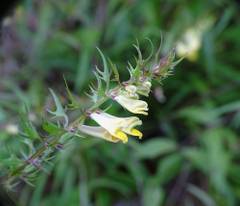
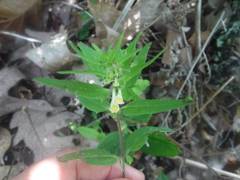
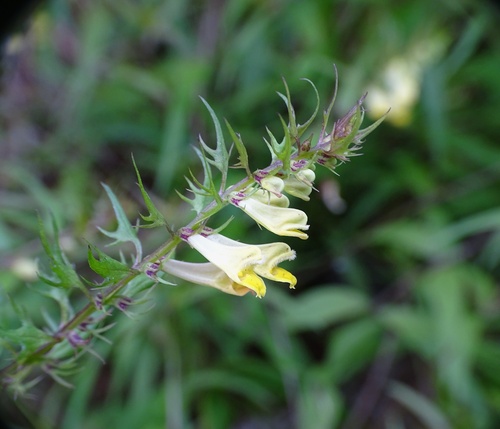
Melampyrum is a genus of about 35 annual herbs in the broomrape family (Orobanchaceae), found in woodland, heath, and grassland across the temperate Northern Hemisphere. The plants are hemiparasites: they make their own sugars through green leaves but tap the roots of nearby grasses, trees, and other plants for water and minerals. Slender, branching stems reach 4–24 in (10–60 cm) tall, carrying opposite, narrow, lance-shaped leaves. The two-lipped tubular flowers, about 0.5–0.9 in (12–22 mm) long, open in yellow, white, pink, or purple and sit in the axils of often toothed or coloured leafy bracts. Flowering runs through summer, drawing bumblebees that work the narrow tubes. The common species include M. pratense, common cow wheat, and M. arvense, field cow wheat, whose seeds once contaminated grain and gave bread a bitter taste and grey colour. As annuals, the plants complete their life cycle in a single season and depend on fresh seed each year, which is often spread by ants. Because they need host roots, they are difficult to cultivate and rarely grown as garden plants. Several species have declined with changes in traditional grassland and woodland management.
Native Range
Melampyrum is native to temperate and boreal regions of Europe, Asia, and North America. The species grow in open woodland, heathland, hay meadows, and grassy clearings.Suggested Uses
Grown mainly in native meadow, heath, and woodland restoration, where it is sown among host grasses and shrubs. As a hemiparasite, it is used to check vigorous grasses and open up sward for other wildflowers. It is rarely cultivated as a border plant because of its need for host roots.How to Identify
Appearance
Size & Dimensions
Height4" - 2'
Width/Spread4" - 1'
Bloom Information
Flowering runs through summer, roughly June to September depending on species and region. The tubular two-lipped flowers attract long-tongued bumblebees, which pollinate as they probe for nectar. Seed ripens by late summer and is often carried off and sown by ants.
Detailed Descriptions
Flower Description
yellow, white, pink, or purpleFoliage Description
greenGrowing Conditions
Sun Requirements
Requires 4-8 hours of direct sunlight daily
• Full Sun: 6+ hours of direct sunlight
• Partial Shade: 3-6 hours of direct sunlight
• Full Shade: Less than 3 hours of direct sunlight
Water & Climate
Water Needs