Medicago, Genus, sativa, Species,
- Genus & species
alfalfa
Overview
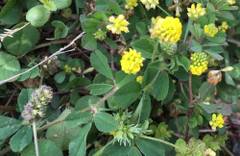
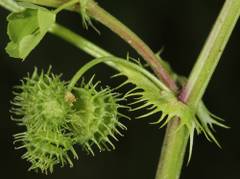
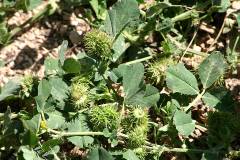
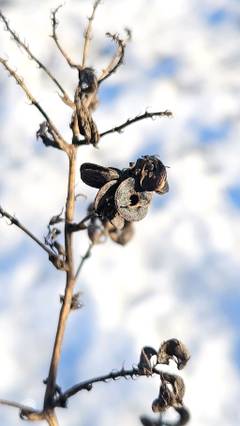
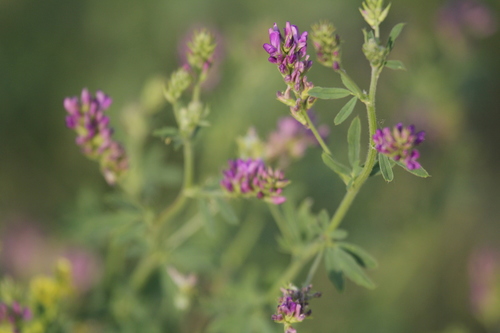
Medicago sativa is a deep-rooted perennial legume in the pea family, grown worldwide as a forage and hay crop and originally from southwestern Asia. It grows 1-3 feet (30-90 cm) tall in clumps of upright stems that regrow after cutting or grazing. The leaves are divided into three toothed leaflets, each 0.5-1.25 inches (1-3 cm) long, like a larger clover. From early summer into autumn it bears short clusters of small pea-like flowers, usually violet to purple, sometimes blue or yellow in related forms. The flowers give way to tightly coiled, spiraled seed pods that turn brown as they ripen. A taproot reaching 6-15 feet (2-4.5 m) deep lets the plant draw water and nutrients from far below the surface, so it withstands drought once established. Like other legumes, its roots fix nitrogen through bacterial nodules, enriching the soil. M. sativa grows on deep, well-drained, neutral to alkaline soils and is sensitive to waterlogging and acidity. Stands are productive for several years before they thin and need replanting.
Native Range
Medicago sativa originated in southwestern and central Asia and has been cultivated for thousands of years. It is now grown and naturalized across temperate regions worldwide, including much of North America, where it escapes from cultivation onto roadsides and field edges.Suggested Uses
Medicago sativa is grown mainly as a hay, forage, and silage crop and as a cover crop that fixes nitrogen and improves soil. In gardens it is sometimes grown as a green manure, turned under to enrich beds. The flowers draw bees, and the sprouted seeds are eaten as a salad green.How to Identify
Appearance
Size & Dimensions
Height1' - 3'
Width/Spread1' - 2'
Bloom Information
Detailed Descriptions
Flower Description
violet to purpleFoliage Description
greenGrowing Conditions
Sun Requirements
Requires 6-12 hours of direct sunlight daily
• Full Sun: 6+ hours of direct sunlight
• Partial Shade: 3-6 hours of direct sunlight
• Full Shade: Less than 3 hours of direct sunlight