Matthiola, Genus, spp., Multiple species,
- Genus
- Multiple species
stock
Mediterranean, Europe, Africa, and southwestern Asia
SunFull Sun – Part Shade
WaterMedium
Overview
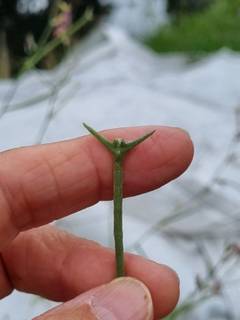
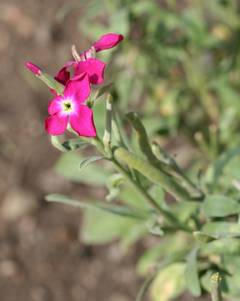
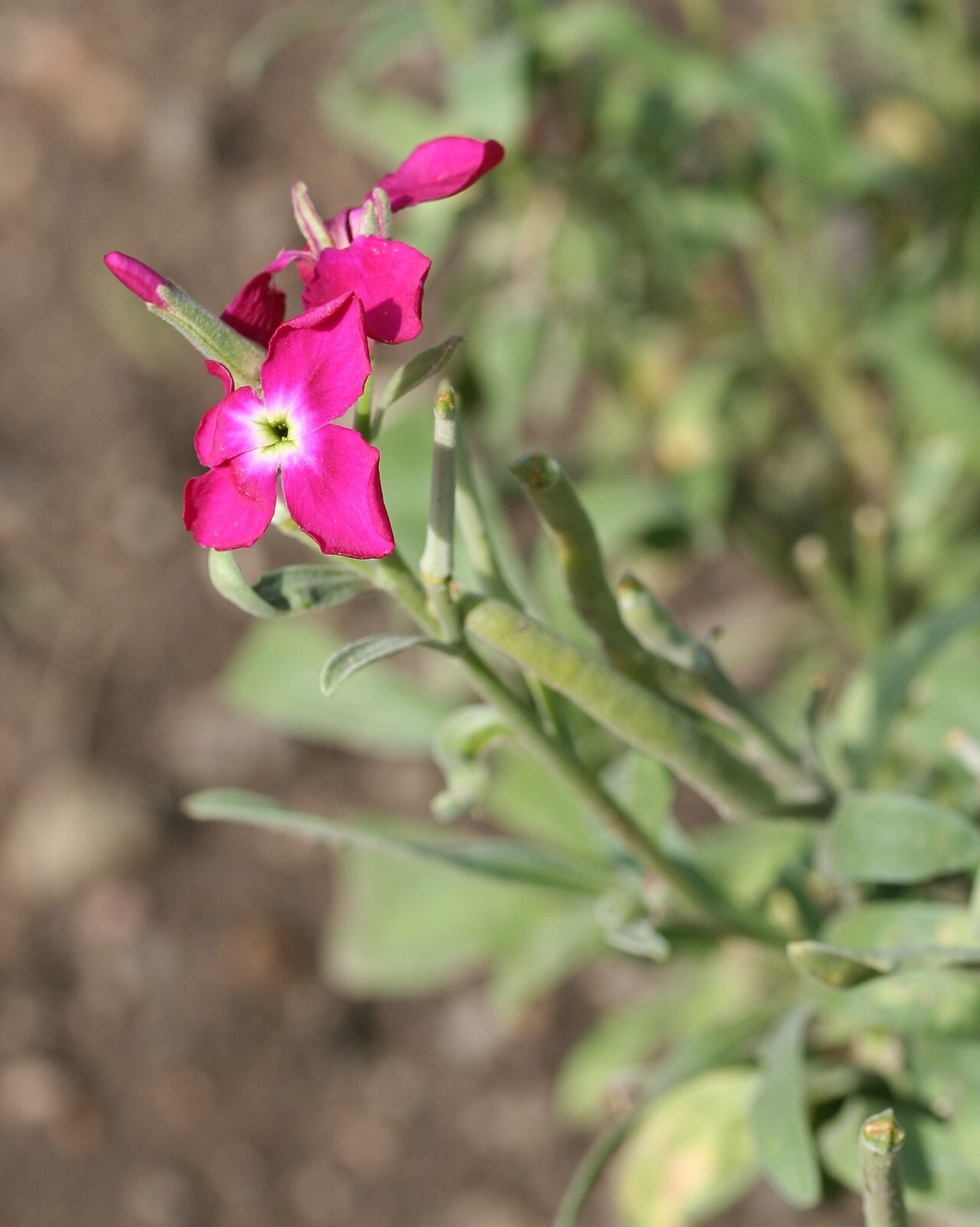
Matthiola is a genus of about 50 species of annual, biennial, and short-lived perennial herbs in the cabbage family (Brassicaceae), native to the Mediterranean, Europe, Africa, and southwestern Asia. Plants form upright stems 20-90 cm (8-36 in) tall clothed in soft, grey-green, often hairy leaves. Spikes of four-petalled flowers open in shades of white, pink, rose, red, purple, and lavender, and most species carry a sweet, clove-like scent that strengthens in the evening. M. incana is grown as common stock for bedding and cut flowers, while M. longipetala, the night-scented stock, releases a strong perfume after dusk. Many garden forms are bred as doubles with extra petals and no working stamens, so they set no seed. The flowers are followed by long, slender seed pods typical of the family. Plants grow and bloom in cool weather and decline quickly in summer heat, and the soft foliage is prone to aphids, flea beetles, and downy mildew.
Native Range
Matthiola is native to the Mediterranean basin and adjacent parts of Europe, North and East Africa, and southwestern and Central Asia, growing on coastal cliffs, dunes, rocky slopes, and dry open ground.Suggested Uses
Grown as bedding and border plants for spring and autumn colour, in containers and window boxes, and as a cut flower for its scent and long spikes. Night-scented species are planted near doors, windows, and seating for evening fragrance. Plants are spaced 20-30 cm (8-12 in) apart in groups.How to Identify
Appearance
Size & Dimensions
Height8" - 3'
Width/Spread6" - 1'
Bloom Information
In cool-season culture, stocks flower from late winter into late spring, and from summer into autumn where summers stay mild. A spike blooms over 2-4 weeks as flowers open from the base upward. Night-scented species release their scent mainly after dusk.
Detailed Descriptions
Flower Description
white, pink, rose, red, purple, or lavenderFoliage Description
grey-greenGrowing Conditions
Sun Requirements
Requires 6-8 hours of direct sunlight daily
• Full Sun: 6+ hours of direct sunlight
• Partial Shade: 3-6 hours of direct sunlight
• Full Shade: Less than 3 hours of direct sunlight
Water & Climate
Water Needs
Care & Maintenance
Care Guide
Most species grow in full sun on moist, fertile, well-drained soil at a neutral to slightly alkaline pH. They grow in cool conditions and are raised as cool-season annuals or biennials in much of their range, flowering before summer heat ends the display. Seed of single-flowered strains is sown in autumn or late winter, and seedlings tolerate light frost. The soft stems and leaves attract aphids and flea beetles, and crowded or wet plantings develop downy mildew and stem rot. Perennial species are short-lived and are often replaced after one or two seasons.Pruning
Spent flower spikes are cut once the lower pods set, to keep plants tidy and prompt side shoots in branching types. The whole plant is removed at the end of its cool-season run as growth declines in heat. Doubled forms set no seed and are simply cleared after flowering.Container Growing
Suitable for container growing
Minimum container size: 2 gallons
Toxicity
Non-toxicPlanting Guide
Planting Methods & Timing
Planting Method
both
Indoor Start
8 weeks before last frost
Direct Sow Timing
autumn or late winter in mild-winter areas; early spring elsewhere
Days to Maturity
60–100 days
Plant Spacing
10 inches
Companion Planting
Good Companions