Matthiola, Genus, bicornis, Species,
- Genus & species
night-scented stock
Eastern Mediterranean (Greece, Turkey, southwestern Asia)
SunFull Sun – Part Shade
Overview
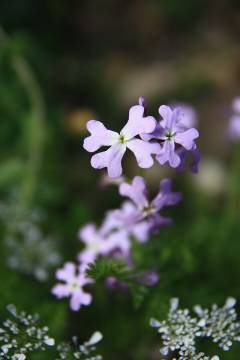
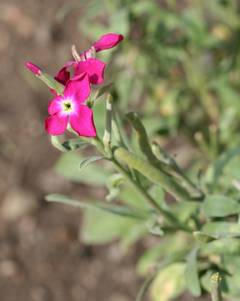
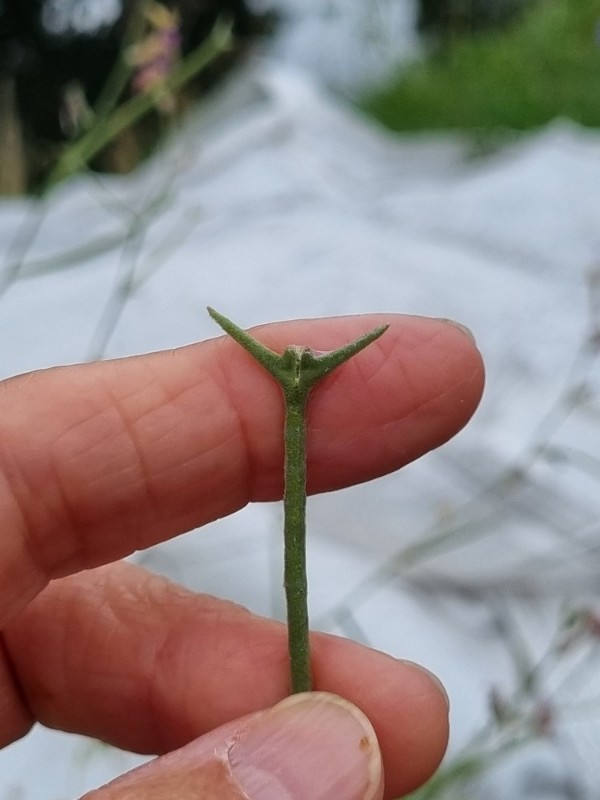
Matthiola bicornis (syn. M. longipetala ssp. bicornis) is a hardy annual in the mustard family (Brassicaceae) grown primarily for an intense evening fragrance. Plants reach 12-18 inches (30-45 cm) tall and 6-8 inches (15-20 cm) wide with a slender, upright to somewhat lax habit. Stems are branching and covered in short grey-green hairs. Leaves are narrow-lanceolate, 2-4 inches (5-10 cm) long, grey-green, with slightly wavy or toothed margins. Flowers are small, four-petalled, 0.5-0.75 inch (12-18 mm) across, in shades of mauve, lilac, pink, or white — visually inconspicuous during the day, when petals stay partially closed and the plant looks wilted. At dusk, the petals open fully and release a powerful sweet, clove-like fragrance that carries 15-20 feet (4.5-6 m) in still air. Fragrance peaks between 8 PM and midnight and fades by morning. Flowers are pollinated by nocturnal hawk moths and other night-flying insects. The species is unrelated in growth form to common stock (M. incana) despite sharing the genus — M. bicornis is a straggly annual while M. incana is a showy bedding plant. Bloom begins 8-10 weeks from sowing and continues for 4-6 weeks. Plants are susceptible to flea beetles, downy mildew, and clubroot (Plasmodiophora brassicae); rotation with non-brassica crops reduces incidence.
Native Range
Matthiola bicornis is native to the eastern Mediterranean region, including Greece, Turkey, and southwestern Asia, where the species occurs on rocky hillsides, disturbed ground, and coastal habitats at low elevations.Suggested Uses
Sown near outdoor seating areas, bedroom windows, and along paths where the evening fragrance can be experienced at close range. Interplanting with day-blooming annuals such as Calendula or Nigella masks the untidy daytime appearance. The species grows in containers on balconies and patios — a 6-inch (15 cm) pot holds 3-5 plants. Often broadcast-sown in mixed annual wildflower strips.How to Identify
Appearance
Size & Dimensions
Height1' - 1'6"
Width/Spread6" - 8"
Bloom Information
Flowers open from late June through August depending on sowing date. Petals stay partially closed and inconspicuous during daylight. At dusk (approximately 7-9 PM depending on season), petals unfurl fully and fragrance is released. Individual plants bloom for 4-6 weeks. Succession sowing every 3 weeks extends the fragrant period from June through September.
Detailed Descriptions
Flower Description
Mauve, lilac, pink, or whiteFoliage Description
Grey-greenGrowing Conditions
Sun Requirements
Requires 4-8 hours of direct sunlight daily
• Full Sun: 6+ hours of direct sunlight
• Partial Shade: 3-6 hours of direct sunlight
• Full Shade: Less than 3 hours of direct sunlight
Care & Maintenance
Care Guide
Seeds are direct-sown on the soil surface in mid to late spring, after the last frost. Seeds are tiny — mixing with sand gives even distribution. Seeds are pressed gently into the soil but not covered, since light aids germination. Germination takes 7-14 days at 55-65°F (13-18°C). Seedlings are thinned to 4-6 inches (10-15 cm) apart. Plants grow in full sun to partial shade in average, well-drained soil with a pH of 6.0-7.5. Watering is moderate; established plants tolerate mild drought. No staking is required, though plants may lean; interplanting with sturdier companions reduces flopping. No fertilising is needed in average soil.Pruning
No pruning is required. Spent plants are removed after bloom declines and replaced with a later succession sowing. When self-seeding is desired, seed pods are allowed to mature and shatter in place — the species self-sows in open, disturbed ground.Container Growing
Suitable for container growing
Minimum container size: 1 gallons
Toxicity
Non-toxicPlanting Guide
Planting Methods & Timing
Planting Method
direct sow
Direct Sow Timing
After last frost in mid to late spring; succession sow every 3 weeks
Days to Maturity
56–70 days
Plant Spacing
5 inches
Companion Planting
Avoid Planting With