Lyonia, Genus, lucida, Species,
- Genus & species
fetterbush lyonia
Overview
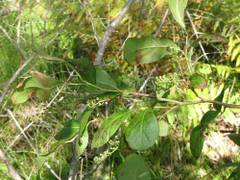
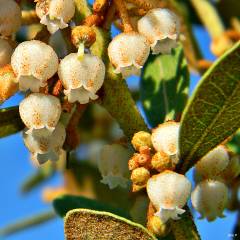
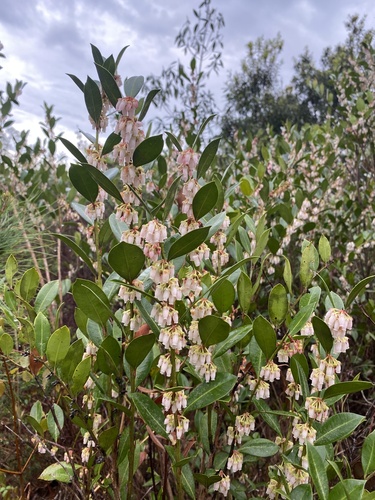
Lyonia lucida is an evergreen shrub in the heath family, reaching 2-6 feet (0.6-1.8 m) tall and 3-5 feet (0.9-1.5 m) wide, with arching, distinctly three-angled green stems. The alternate leaves are leathery and glossy dark green, elliptic, 1-3 inches (2.5-7.5 cm) long, with a vein running parallel just inside the leaf margin. Urn-shaped flowers about 0.25 inch (6 mm) long hang in clusters along the previous year's stems from March to May, in shades of white, pink, and deep red. The fruit is a small dry capsule. It grows in acidic wetlands, pocosins, pine flatwoods, bogs, and seepage slopes across the southeastern coastal plain, where it often forms dense thickets. All parts contain grayanotoxins and are poisonous if eaten. The species needs constantly moist, acidic conditions and declines in dry or alkaline soil, which limits where it can be grown.
Native Range
Lyonia lucida is native to the southeastern United States, along the coastal plain from southeastern Virginia south to Florida and west to Louisiana. It grows in acidic wetlands, pocosins, bogs, and pine flatwoods.Suggested Uses
Used in bog gardens, rain gardens, pond margins, and acidic native shrub borders where soil stays wet. The spring flowers draw bees. Space plants 3-4 feet (0.9-1.2 m) apart for a continuous thicket.How to Identify
Appearance
Size & Dimensions
Height2' - 6'
Width/Spread3' - 5'
Bloom Information
Urn-shaped flowers open from March to May, lasting about 3-5 weeks. They hang in clusters along the previous season''s growth in shades of white, pink, and red. Dry capsules follow and persist into winter.
Detailed Descriptions
Flower Description
white to pink and deep redFoliage Description
glossy dark greenGrowing Conditions
Sun Requirements
Requires 3-8 hours of direct sunlight daily
• Full Sun: 6+ hours of direct sunlight
• Partial Shade: 3-6 hours of direct sunlight
• Full Shade: Less than 3 hours of direct sunlight
Care & Maintenance
Care Guide
Grows in part shade to full sun where soil stays constantly moist and strongly acidic, with a pH near 4.0-5.5. It tolerates standing water and seasonally flooded ground but fails in dry or alkaline soil. A mulch of pine straw or peat helps hold moisture and acidity. No routine feeding is needed, and high-pH water or lime causes decline. Growth is slow to moderate, and plants spread gradually from the base to form colonies.Pruning
Prune lightly after flowering to shape the plant or remove dead and crossing stems. Older shrubs can be cut back harder to renew dense growth. Flowering occurs on the previous year''s stems, so late-season pruning reduces the next spring''s bloom.Pruning Schedule
Prune: May–June
late spring