Image 1 of 10
1 / 10
© Bob Peterson from North Palm Beach, Florida, Planet Earth!, some rights reserved (CC-BY-SA) · Wikimedia Commons
Lyonia, Genus, fruticosa, Species,
- Genus & species
coastal plain staggerbush
Overview
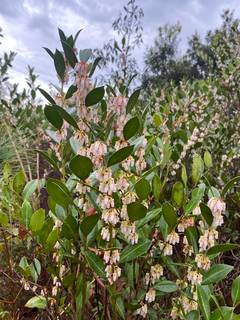
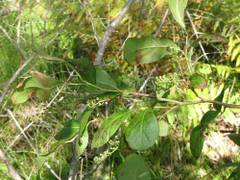
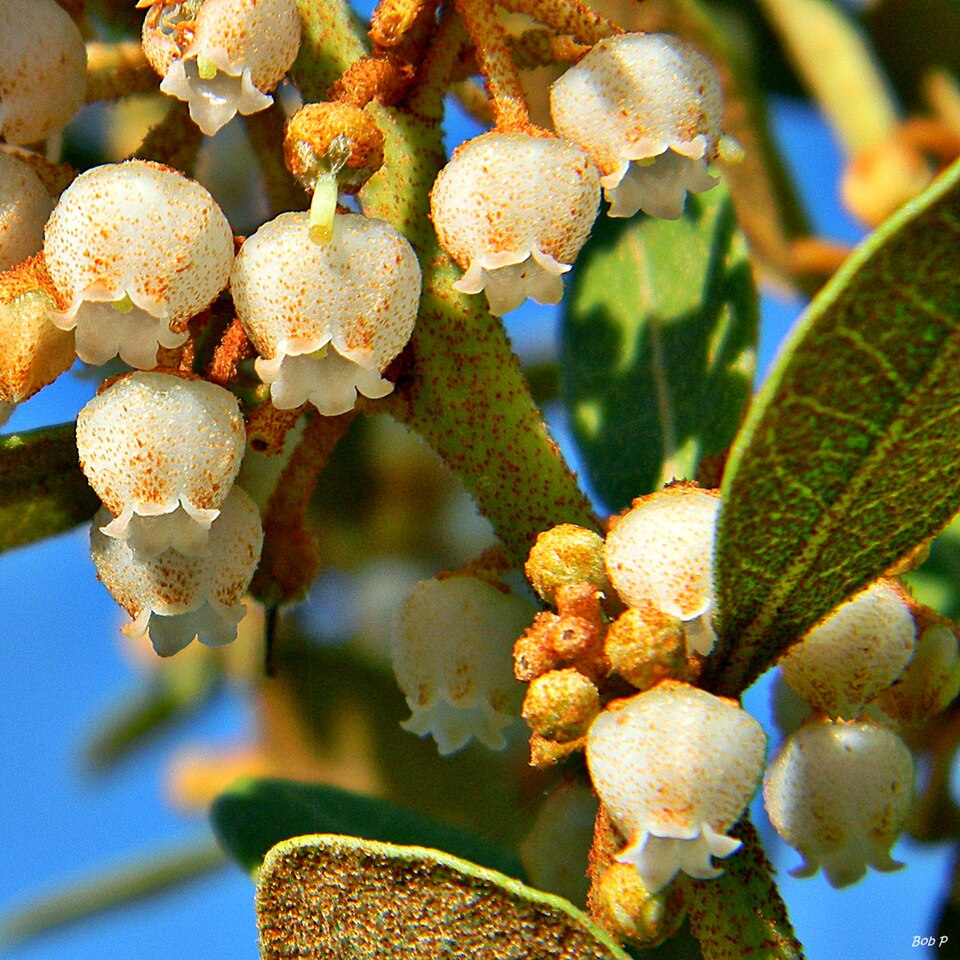
Lyonia fruticosa is an evergreen shrub reaching 2-6 feet (0.6-1.8 m) tall, with stiff, upright to spreading branches. The leathery leaves are oval to elliptical, 0.75-2 inches (2-5 cm) long, dark green above and densely coated beneath with rust-colored scales, the margins rolled under. Small white, urn-shaped flowers about 0.2-0.3 inch (5-8 mm) long hang in clusters along the stems in spring. The flowers are followed by dry, five-parted seed capsules that persist on the branches. New growth and leaf undersides carry the characteristic rusty scurf that ages to grey-brown. Growth is twiggy and upright from a spreading root system that resprouts after fire. Native to pine flatwoods, scrub, and sandy uplands, it tolerates poor, acidic, sandy soils and periodic fire but needs good drainage. Like other members of the heath family, its foliage contains grayanotoxins that are toxic to people and livestock if eaten.
Native Range
Native to the southeastern United States, mainly Florida and the adjacent coastal plain of Georgia and Alabama. Grows in pine flatwoods, scrub, sandhills, and other dry to seasonally moist sandy, acidic soils.Suggested Uses
Used in native and habitat plantings, pine flatwoods restoration, and low-water shrub borders on acidic sandy soils. Spaced 3-5 feet (0.9-1.5 m) apart for massing. Suited to dry, sandy, fire-prone sites rather than rich garden beds.How to Identify
Appearance
Size & Dimensions
Height2' - 6'
Width/Spread2' - 5'
Bloom Information
White urn-shaped flowers open in spring, mainly March through May in Florida. Bloom lasts a few weeks, followed by persistent dry capsules. Flowering is often heavier in the season after fire.
Detailed Descriptions
Foliage Description
Dark greenGrowing Conditions
Sun Requirements
Requires 6-8 hours of direct sunlight daily
• Full Sun: 6+ hours of direct sunlight
• Partial Shade: 3-6 hours of direct sunlight
• Full Shade: Less than 3 hours of direct sunlight
Care & Maintenance
Care Guide
Grown in full sun to part shade on acidic, sandy, well-drained soil; established plants tolerate drought and poor ground. Heavy or alkaline soils and poor drainage cause decline. Watering is needed only during establishment in cultivation. Plants resprout from the roots after fire or hard cutting back. The foliage contains grayanotoxins and is toxic if eaten by people or livestock. Few pests affect it in its native sandy habitats.Pruning
Cut back in late winter to shape or renew leggy growth; plants resprout readily from the base. Removal of spent capsules is not required. Hard renewal pruning is tolerated, as the roots resprout after fire.Pruning Schedule
Prune: February
winter