Lycopus, Genus, uniflorus, Species,
- Genus & species
northern bugleweed
Overview
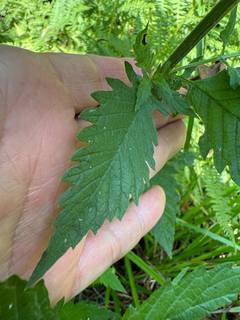
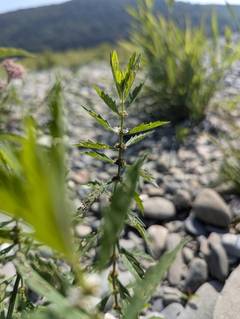
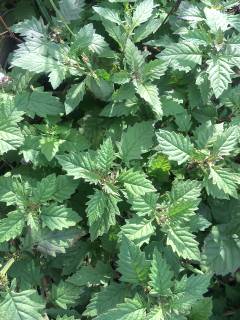
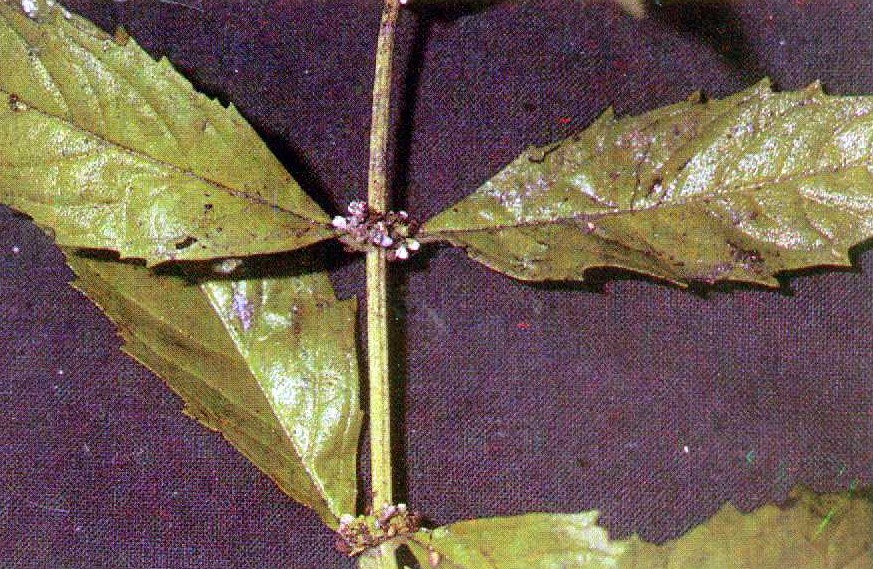
A perennial herb in the mint family growing 6–24 inches (15–60 cm) tall on slender, square, mostly unbranched stems. It spreads by thin runners that end in small tubers, forming loose patches. Leaves are opposite, lance-shaped to elliptic, 1–3 inches (2.5–8 cm) long, coarsely toothed, and medium green. Small white tubular flowers, each about 0.1 inch (2–3 mm) long with four short lobes, are crowded into dense rounded clusters in the leaf axils along the upper stem. Bloom occurs from July to September. Unlike many mints, the foliage has little or no scent. Four-parted nutlets follow the flowers. The plant grows from shallow runners and tubers and dies back to these each winter. It grows in wet ground and tolerates seasonal flooding. Plants form colonies but stay low and slender.
Native Range
Native across northern North America from Newfoundland to Alaska, south to Virginia, the Great Lakes, and the mountain West. Grows in marshes, wet meadows, swamps, ditches, and shorelines in consistently wet, mucky soils.Suggested Uses
Grown in rain gardens, pond margins, bog gardens, and wetland restorations at 12–18 inch (30–45 cm) spacing. Used to stabilize muddy shorelines and to provide cover at the water edge. Suited only to wet sites, where its spreading habit fills open ground.How to Identify
Appearance
Size & Dimensions
Height6" - 2'
Width/Spread1' - 2'
Bloom Information
Detailed Descriptions
Foliage Description
Medium greenGrowing Conditions
Sun Requirements
Requires 4-8 hours of direct sunlight daily
• Full Sun: 6+ hours of direct sunlight
• Partial Shade: 3-6 hours of direct sunlight
• Full Shade: Less than 3 hours of direct sunlight
Care & Maintenance
Care Guide
Grows in full sun to partial shade in consistently wet to saturated soils, including pond margins and standing water a few inches deep. Water is rarely limiting in suitable sites, and the plant wilts and declines if the soil dries out. It spreads by runners and can form broad patches in open wet ground. Few pests or diseases affect it. The tubers are eaten by waterfowl and muskrats. Plants are divided in spring by separating rooted runners.Pruning
Cut dead stems to the ground in late fall or early spring. No deadheading is required. Runners can be cut back or divided in spring to limit spread. No other pruning is needed.Pruning Schedule
Prune: March & November
fallearly spring