Lycopus, Genus, spp., Multiple species,
- Genus
- Multiple species
water horehounds
Temperate Northern Hemisphere - North America, Europe, and temperate Asia, with one species in Australia
Overview
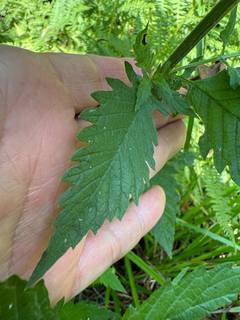
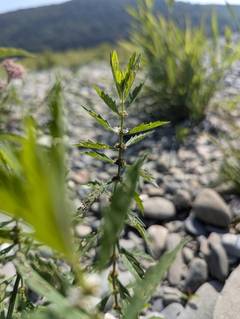
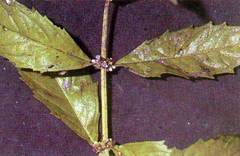
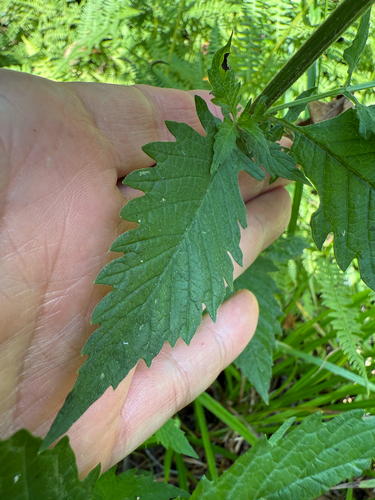
Lycopus is a genus of about 10 to 20 herbaceous perennials in the mint family (Lamiaceae), known collectively as water horehounds or bugleweeds. Plants grow upright on square stems 1-3 ft (30-90 cm) tall and spread by slender rhizomes and stolons, often forming colonies in wet ground. Opposite leaves are lance-shaped to elliptic, 1-4 in (2.5-10 cm) long, coarsely toothed to pinnately lobed, and unlike most mints the foliage carries little or no aroma. Small two-lipped flowers, white to pale pink and 0.08-0.16 in (2-4 mm) long, gather in dense whorled clusters in the leaf axils from summer into autumn. Fruits are four smooth nutlets. Species span seasonally wet habitats including marsh edges, streambanks, ditches, and pond margins across the north temperate zone, with L. americanus and L. virginicus common in North America and L. europaeus widespread in Eurasia. In cultivation the rhizomes spread freely and can crowd neighboring plants in moist beds. Foliage dies back to the ground in winter and regrows from the rootstock in spring.
Native Range
Lycopus species occur across the temperate Northern Hemisphere, with several native to North America such as L. americanus and L. virginicus, and others to Europe and temperate Asia such as L. europaeus and L. lucidus. One species reaches Australia. Plants grow naturally in marshes, wet meadows, streambanks, and other seasonally wet ground.Suggested Uses
Grown in rain gardens, pond and stream margins, bog gardens, and naturalized wet meadows where spreading is acceptable. The flowers draw small pollinators to wetland plantings. Spaced 18-24 in (45-60 cm) apart, with room for rhizome spread.How to Identify
Appearance
Size & Dimensions
Height1' - 3'
Width/Spread1' - 3'
Bloom Information
Lycopus flowers from mid-summer into early autumn, generally July to September across its temperate range. The small white to pale pink flowers open in successive axillary whorls along the upper stem over several weeks. Bloom continues until the first frosts in cooler regions.
Detailed Descriptions
Flower Description
White to pale pinkFoliage Description
Medium to dark greenGrowing Conditions
Sun Requirements
Requires 4-8 hours of direct sunlight daily
• Full Sun: 6+ hours of direct sunlight
• Partial Shade: 3-6 hours of direct sunlight
• Full Shade: Less than 3 hours of direct sunlight
Care & Maintenance
Care Guide
Lycopus grows in full sun to part shade in consistently moist to wet soil, including the shallow margins of ponds and rain gardens. Plants tolerate clay, loam, and silt and accept a soil pH from about 5.5 to 7.5. Established clumps spread by rhizomes and can colonize an area, so confinement helps in small beds. Most species are cold hardy across USDA zones 3-9 and die back in winter. Few pests or diseases affect the genus, though powdery mildew can appear on crowded plants in still air. Drying out in summer causes leaf scorch and decline.Pruning
Stems are cut to the ground in late autumn or early spring after they die back. Cutting plants back by half in early summer keeps colonies shorter and denser. Spreading rhizomes are lifted and divided in spring to limit colony size.Container Growing
Suitable for container growing
Minimum container size: 3 gallons