Lycopus, Genus, europaeus, Species,
- Genus & species
European water-horehound
Europe, western Asia, and North Africa
Overview
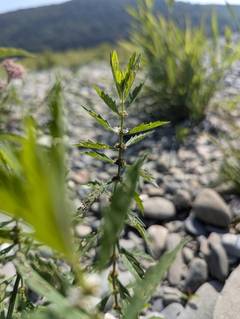
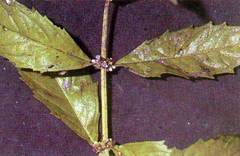
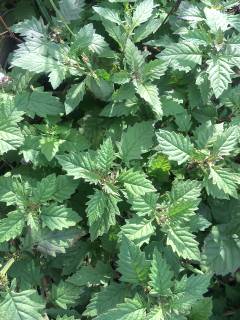
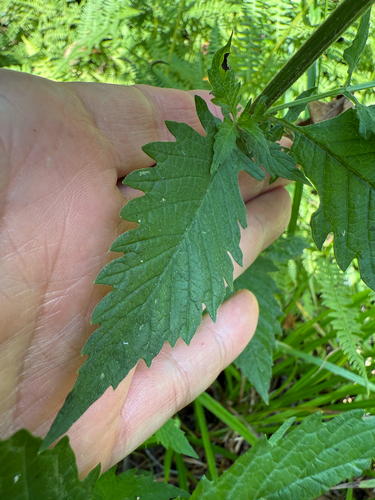
Lycopus europaeus is an upright herbaceous perennial in the mint family, growing 1-3 feet (30-90 cm) tall on square, often purple-tinged stems from creeping rhizomes. Unlike most mints, the foliage has little scent. The opposite leaves are lance-shaped to deeply lobed at the base, 1.5-4 inches (4-10 cm) long, with coarsely toothed margins. From midsummer to early autumn it bears dense whorls of tiny white flowers, often dotted purple, clustered in the leaf axils along the upper stems. Each flower is bell-shaped with a four-lobed lip and produces four small nutlets. Lycopus europaeus grows in wet ground beside ponds, ditches, marshes, and slow streams, spreading into colonies by rhizomes and rooting stems. The flowers draw small bees and flies, and a black dye can be extracted from the plant, the source of the name gypsywort. Limitations include a need for constantly moist soil, a spreading habit in wet sites, and a modest flower display.
Native Range
Lycopus europaeus is native to Europe, western Asia, and North Africa, growing across temperate Eurasia in wet habitats. It has naturalised in parts of North America and other temperate regions. It is found along the margins of ponds, lakes, rivers, marshes, fens, and wet ditches.Suggested Uses
Lycopus europaeus is used at pond and stream margins, in rain gardens, bog gardens, and wetland restoration plantings, spaced 12-18 inches (30-45 cm) apart. It suits naturalised, damp settings and is grown for wildlife value and as a traditional source of black dye.How to Identify
Appearance
Size & Dimensions
Height1' - 3'
Width/Spread1' - 2'
Bloom Information
Lycopus europaeus blooms from midsummer to early autumn, around June to September, producing successive whorls of small white flowers up the stem. The flowers open over several weeks and draw small bees, wasps, and hoverflies. Four nutlets ripen in each spent flower and drop near the parent or float away on water.
Detailed Descriptions
Flower Description
White with purple dotsFoliage Description
Medium to dark greenGrowing Conditions
Sun Requirements
Requires 4-12 hours of direct sunlight daily
• Full Sun: 6+ hours of direct sunlight
• Partial Shade: 3-6 hours of direct sunlight
• Full Shade: Less than 3 hours of direct sunlight
Care & Maintenance
Care Guide
Lycopus europaeus grows in full sun to part shade on wet to consistently moist soil and tolerates shallow standing water at pond margins. It needs ground that never dries out and declines quickly in drought. The plant spreads by rhizomes and self-sown seed, forming colonies that may need containing in small water gardens. It tolerates a range of soils as long as moisture is constant and needs no feeding in fertile wetland mud. Few pests trouble it. Cutting plants back after flowering reduces self-seeding.Pruning
Lycopus europaeus needs little pruning. Spent stems are cut to the ground in late autumn or left standing over winter for shelter and seed. Removing flower whorls before the nutlets ripen limits its spread by seed.Pruning Schedule
Prune: October–November
fall
Container Growing
Suitable for container growing
Minimum container size: 2 gallons