Lycium, Genus, barbarum, Species,
- Genus & species
Goji berry
China — Ningxia province is the traditional goji growing region; cultivated in Chinese medicine for 2,000+ years
Overview
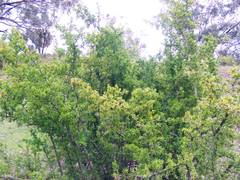
Lycium barbarum is the goji berry, growing 48–120 inches (120–300 cm) tall with arching stems. Bright red-orange elongated berries 0.5–0.75 inch (12–18 mm) in late summer and fall — high in antioxidants, vitamin C, and zeaxanthin. In the nightshade family (Solanaceae), related to tomatoes, peppers, and potatoes. Cultivated in Chinese traditional medicine for over 2,000 years, particularly in Ningxia province. Spreads aggressively by underground root suckers — can colonize surrounding areas rapidly without containment. Contain with root barriers, grow in containers, or remove suckers regularly. Small thorns on the arching stems. Self-fertile. Zone 3 hardy — tolerates extreme cold. Drought-tolerant once established. Deer-resistant. Tolerates alkaline soil (pH up to 8.5) — unlike most berry crops that require acidic conditions. Ripe fruit is edible; unripe fruit is mildly toxic. Full sun (6+ hours) for fruit production. The arching stems may require support or trellising. Powdery mildew is the primary disease. Birds consume the ripe fruit — netting may be needed.
Native Range
Lycium barbarum is native to China — Ningxia province is the traditional growing region.Suggested Uses
Grown on a trellis or as a free-standing shrub in zones 3–9. Contain root suckers with barriers or containers. Full sun. Self-fertile. Tolerates alkaline soil. The aggressive suckering habit requires ongoing management. Non-toxic ripe fruit; unripe fruit mildly toxic.How to Identify
Appearance
Size & Dimensions
Height4' - 10'
Width/Spread4' - 8'
Colors
Bloom Information
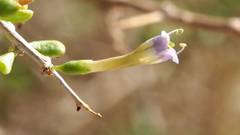
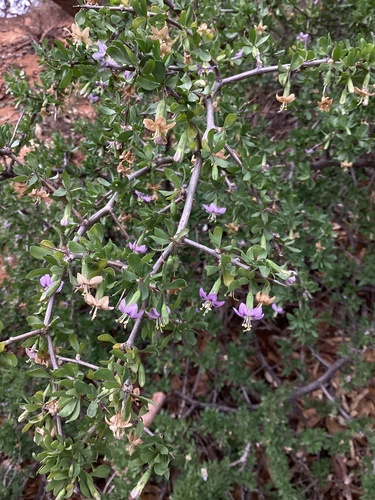
Small purple flowers in summer. Fruit ripens to red-orange in late summer to fall. Self-fertile. Ripe fruit edible; unripe mildly toxic.
Detailed Descriptions
Flower Description
Purple, small, star-shaped — attractive to pollinatorsFoliage Description
Gray-green, small, lance-shaped, on arching thorny stemsGrowing Conditions
Sun Requirements
Requires 6-10 hours of direct sunlight daily
• Full Sun: 6+ hours of direct sunlight
• Partial Shade: 3-6 hours of direct sunlight
• Full Shade: Less than 3 hours of direct sunlight
Care & Maintenance
Care Guide
Full sun (6+ hours). Tolerates alkaline soil to pH 8.5. Drought-tolerant. Zone 3 hardy. Spreads aggressively by root suckers — contain or manage. Self-fertile. Small thorns. Ripe fruit edible; unripe mildly toxic. Deer-resistant.Pruning
Prune in late winter to remove dead and crossing stems. Remove root suckers regularly to control spread. The arching stems benefit from trellising or support.Pruning Schedule
Prune: February–March
late winter
Container Growing
Suitable for container growing
Minimum container size: 10 gallons