Lycium, Genus, spp., Multiple species,
- Genus
- Multiple species
boxthorns
Warm-temperate and subtropical worldwide; chiefly South America and southern Africa
Overview
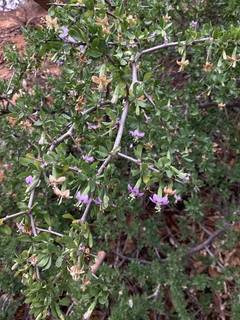
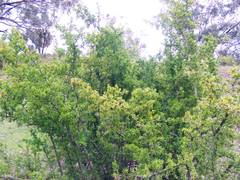
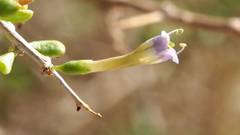
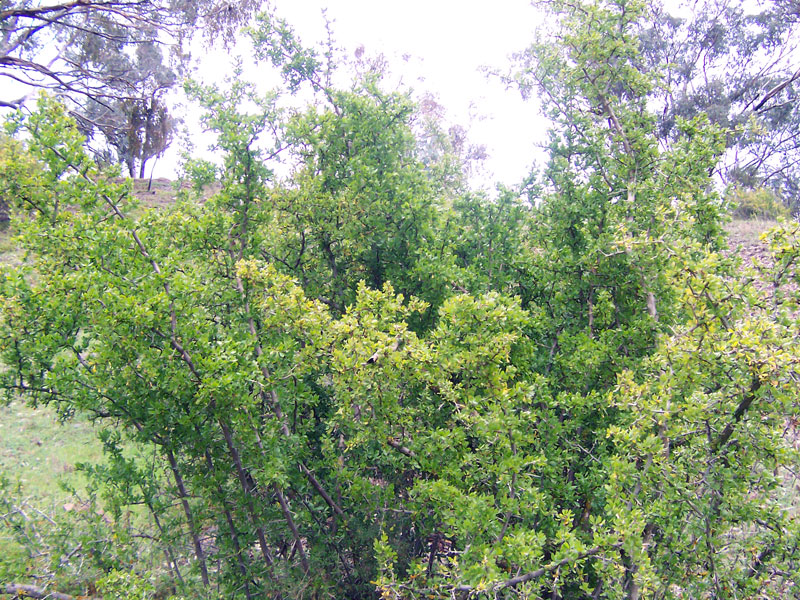
Lycium is a genus of about 90 species of spiny shrubs in the nightshade family (Solanaceae), found in warm-temperate and subtropical regions worldwide, with many species in dry and coastal habitats of the Americas, southern Africa, and Eurasia. Plants form arching or scrambling shrubs 3–13 feet (1–4 m) tall, with slender branches that often end in stiff spines. The leaves are small, narrow, and sometimes slightly fleshy, an adaptation to dry and salty ground. Funnel-shaped flowers, 0.2–0.8 inch (5–20 mm) long, are purple, lavender, or white and are followed by small berries that ripen red or orange. Two species, L. barbarum and L. chinense, are grown for these berries, sold as goji berries. The genus tolerates drought, salt spray, and poor soil, which suits it to coastal and desert planting but also lets some species, such as the African boxthorn L. ferocissimum, spread as invasive weeds outside their native range. Most species are deciduous in cold climates. Plants grow in full sun and well-drained soil and form dense, thorny thickets that are used for hedging and erosion control.
Native Range
Lycium occurs across the warm-temperate and subtropical world, with centres of diversity in South America and southern Africa and additional species in North America and Eurasia. Plants grow in deserts, scrub, salt flats, and coastal dunes.Suggested Uses
Lycium is planted as a thorny hedge, windbreak, and erosion-control shrub on dry and coastal sites. The goji species L. barbarum and L. chinense are grown in gardens and on a field scale for their edible berries. The dense, spiny growth is used as a barrier and as cover and food for birds.How to Identify
Appearance
Size & Dimensions
Height3' - 13'
Width/Spread3' - 13'
Bloom Information
Detailed Descriptions
Flower Description
Purple, lavender, or whiteFoliage Description
Green to grey-greenGrowing Conditions
Sun Requirements
Requires 6-12 hours of direct sunlight daily
• Full Sun: 6+ hours of direct sunlight
• Partial Shade: 3-6 hours of direct sunlight
• Full Shade: Less than 3 hours of direct sunlight