Luzula, Genus, spp., Multiple species,
- Genus
- Multiple species
woodrushes
Temperate and cold regions of the Northern Hemisphere, with mountain species worldwide
Overview
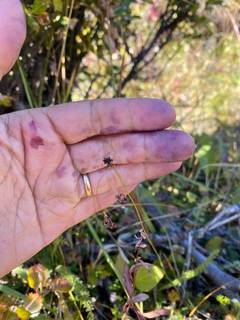
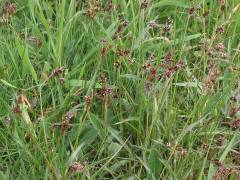
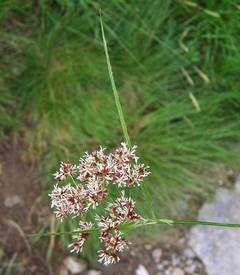
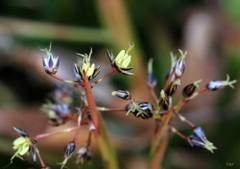
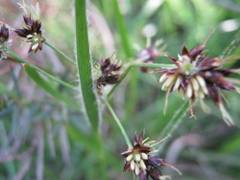
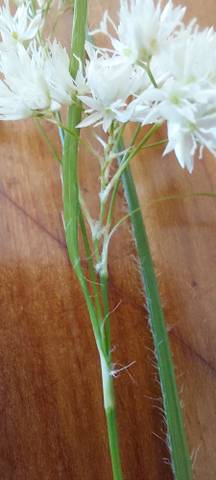
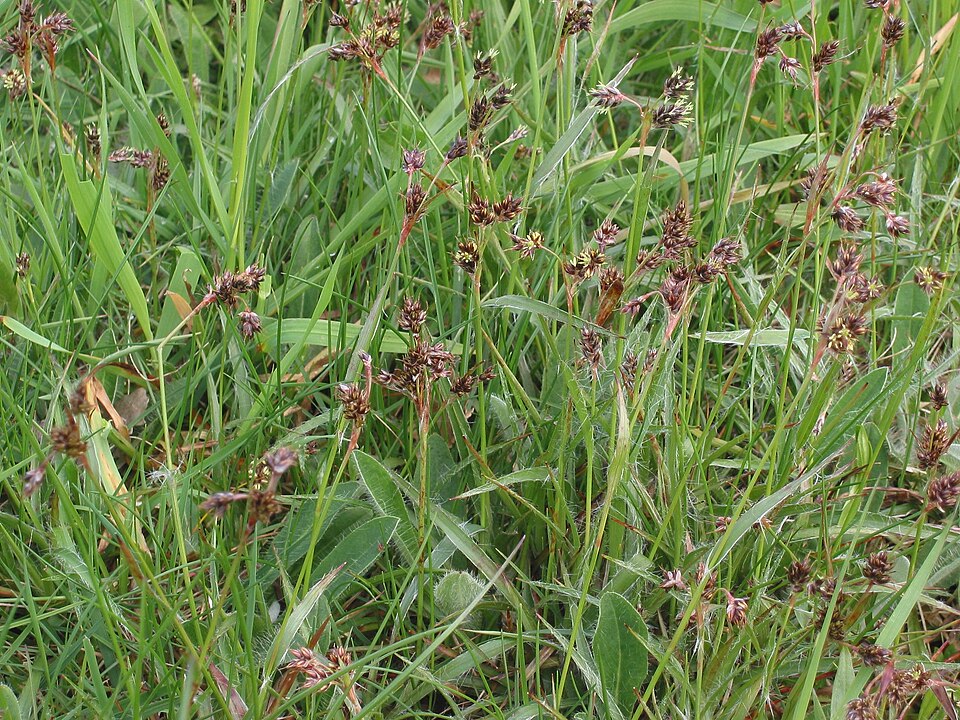
Luzula is a genus of about 115 grass-like perennials in the rush family (Juncaceae), known as woodrushes, spread through temperate and cold regions of the Northern Hemisphere and on mountains worldwide. Plants form low, spreading clumps 6–24 inches (15–60 cm) tall of flat, grass-like leaves edged with long white hairs that catch the light. Small flowers, brown to chestnut, are gathered into loose or dense clusters held above the foliage in spring. Unlike true grasses, the leaves are solid and unjointed and the flowers have six papery segments like miniature lily flowers. The genus grows in woodland, heath, bog margin, and mountain grassland, mostly on acidic, moist soil in shade or partial shade. Plants spread slowly by short rhizomes to form weed-suppressing ground cover and stay green through winter in mild climates. L. sylvatica, greater woodrush, and L. nivea, snowy woodrush, are grown as shade ground covers. Foliage holds up under deep shade where many grasses fail, though dry summer soil scorches the leaf tips.
Native Range
The genus is spread across temperate and cold regions of the Northern Hemisphere, with species native to North America, Europe, and Asia, and others on mountains in the Southern Hemisphere. Luzula grows in woodland, heath, bog edge, and mountain grassland. Plants favor moist, acidic soil in shade to partial shade.Suggested Uses
Luzula is grown as shade ground cover, in woodland gardens, and along damp, shaded paths, spaced 12–18 inches (30–45 cm) apart to knit into a continuous cover. The evergreen clumps suppress weeds beneath trees and shrubs. The seed feeds birds and ground-foraging wildlife.How to Identify
Appearance
Size & Dimensions
Height6" - 2'
Width/Spread8" - 1'6"
Bloom Information
Flowering occurs in spring, roughly April through June, with clusters of small brown to chestnut flowers rising above the leaves. The clusters hold their form for several weeks before setting seed. Bloom is modest, and the genus is grown more for foliage than for flowers.
Detailed Descriptions
Flower Description
brown to chestnutFoliage Description
greenGrowing Conditions
Sun Requirements
Requires 2-6 hours of direct sunlight daily
• Full Sun: 6+ hours of direct sunlight
• Partial Shade: 3-6 hours of direct sunlight
• Full Shade: Less than 3 hours of direct sunlight
Care & Maintenance
Care Guide
Plants grow in part to full shade on moist, acidic loam, peat, or clay soil at a pH of 4.5–6.5. Steady moisture suits the genus, and dry summer soil browns the leaf tips. Short rhizomes spread the clumps slowly into weed-suppressing cover without becoming invasive. Evergreen species hold their leaves through mild winters and are cleared of tattered growth in early spring. Few pests trouble the genus, and no feeding is needed on reasonable soil.Pruning
Tattered or winter-burned leaves are sheared off in early spring before new growth begins. Spent flower stems are removed after seed sets where self-seeding is unwanted. Clumps are lifted and divided in spring to renew old centers or make new plants.Container Growing
Suitable for container growing