Lithospermum, Genus, officinale, Species,
- Genus & species
common gromwell
Overview
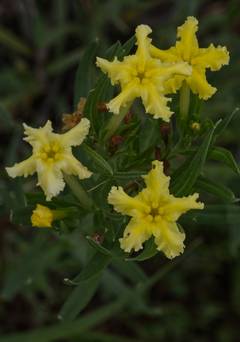
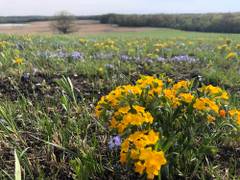
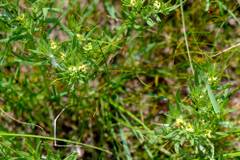
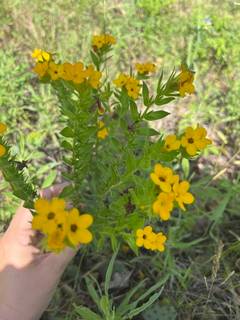
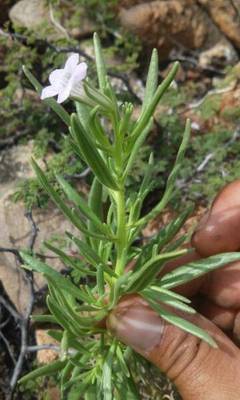
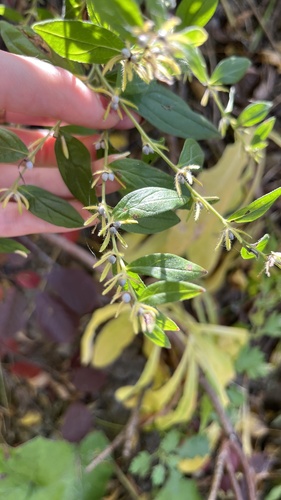
Lithospermum officinale is an upright, branching perennial of the borage family, growing 12–32 inches (30–80 cm) tall from a woody rootstock. The stems are stiff and leafy, carrying alternate, lance-shaped leaves 1.5–3 inches (4–8 cm) long that are rough-hairy above with prominent veins beneath. From May to July it bears small, five-lobed, creamy-white to pale yellow flowers about 0.2–0.3 inch (4–6 mm) across in leafy, coiled clusters at the stem tips. Each flower is followed by hard, shiny, white to grey nutlets resembling small porcelain beads, which persist after the foliage fades. The plant grows in scrub, hedge banks, woodland edges, and rough calcareous grassland across Europe and temperate Asia, rooting in dry to moist, lime-rich soils. It tolerates partial shade and summer drought once established but is intolerant of waterlogging and dense, acidic ground. It dies back in winter and is modest in flower, so it is grown more for the polished white seeds than for floral display.
Native Range
Lithospermum officinale is native to Europe and temperate Asia. It grows in scrub, hedgerows, woodland edges, and rough calcareous grassland on dry to moist, lime-rich soils.Suggested Uses
Used in wildlife and cottage borders, calcareous meadow plantings, and hedge banks where the white seeds and bee-visited flowers are wanted. Suited to naturalistic planting on lime-rich soil.How to Identify
Appearance
Size & Dimensions
Height1' - 2'8"
Width/Spread1' - 2'
Bloom Information
Flowering runs from May to July, the small creamy flowers opening in succession along coiled clusters. The display is modest, and the main interest follows as glossy white nutlets ripen and persist into autumn. Plants are visited by bees despite the small flower size.
Detailed Descriptions
Flower Description
creamy-white to pale yellowFoliage Description
greenGrowing Conditions
Sun Requirements
Requires 4-10 hours of direct sunlight daily
• Full Sun: 6+ hours of direct sunlight
• Partial Shade: 3-6 hours of direct sunlight
• Full Shade: Less than 3 hours of direct sunlight