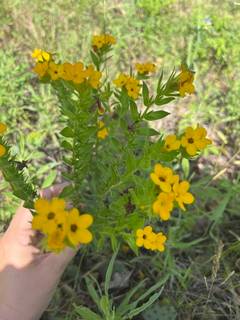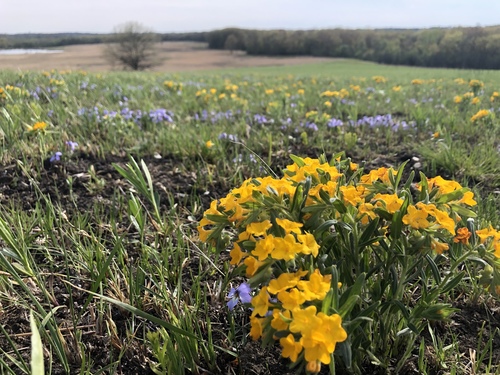
Lithospermum, Genus, spp., Multiple species,
- Genus
- Multiple species
stoneseeds, puccoons, and gromwells
Temperate Northern Hemisphere, with species in Africa and South America
Overview
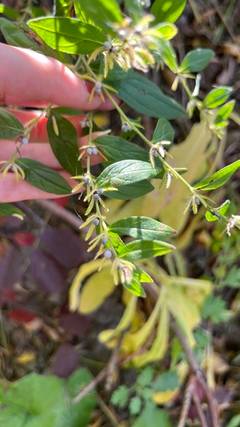
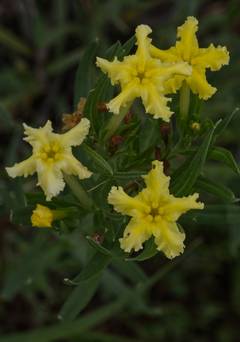
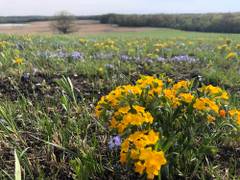
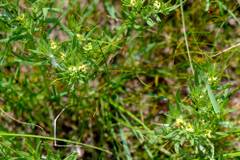
Lithospermum is a genus of about 60 to 80 species of herbaceous perennials and small subshrubs in the borage family, Boraginaceae, known as stoneseeds, puccoons, and gromwells. Plants form upright to spreading clumps 6 to 24 inches (15 to 60 cm) tall from a woody taproot, with simple, alternate, often bristly leaves. The five-petalled, funnel- to trumpet-shaped flowers are borne in coiled clusters that unfurl as they open, ranging from white and pale blue to deep yellow and orange. Many North American puccoons carry yellow-orange blooms 0.5 to 1 inch (1 to 2.5 cm) across in late spring. The name stoneseed refers to the hard, white to grey nutlets, often smooth and shining, that follow flowering and persist on the plant. The genus is spread across temperate Eurasia, Africa, and the Americas, growing in dry prairies, open woodland, rocky slopes, and roadsides on lean, free-draining soils. Plants are deep-rooted and drought-tolerant but transplant poorly and are intolerant of wet ground, which makes them difficult to establish in cultivation. Some species follow their spring flowers with later self-pollinating flowers that set most of the seed. Several were used historically as dye and medicinal plants.
Native Range
The genus occurs across the temperate Northern Hemisphere and into parts of Africa and South America. In North America the puccoons range widely through prairies and open woods from Canada south into Mexico, while several gromwells are native to Europe and Asia.Suggested Uses
Stoneseeds and puccoons are planted in prairie restorations, rock gardens, and dry native borders where their deep roots suit lean soils. The spring flowers draw bees and other early pollinators. Their need for sharp drainage makes them more suited to gravel and raised beds than to general garden soil.How to Identify
Appearance
Size & Dimensions
Height6" - 2'
Width/Spread8" - 1'6"
Bloom Information
Most species flower from late spring into early summer, roughly April to June, with some continuing sporadically afterwards. North American puccoons open their orange-yellow flowers over several weeks in May and June. Some species follow the spring flowers with smaller, self-fertile flowers later in the season.
Detailed Descriptions
Flower Description
White, blue, yellow, or orangeFoliage Description
Green to grey-greenGrowing Conditions
Sun Requirements
Requires 6-10 hours of direct sunlight daily
• Full Sun: 6+ hours of direct sunlight
• Partial Shade: 3-6 hours of direct sunlight
• Full Shade: Less than 3 hours of direct sunlight