Liquidambar, Genus, spp., Multiple species,
- Genus
- Multiple species
sweetgums
Eastern North America, Mexico, Central America, and eastern Asia
Overview
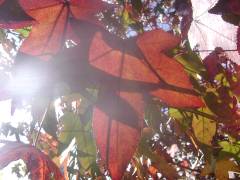
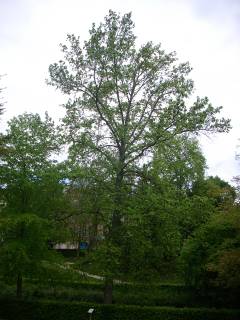
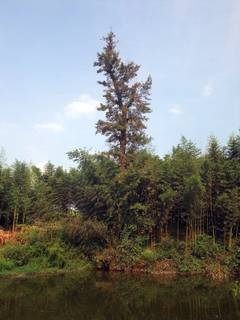
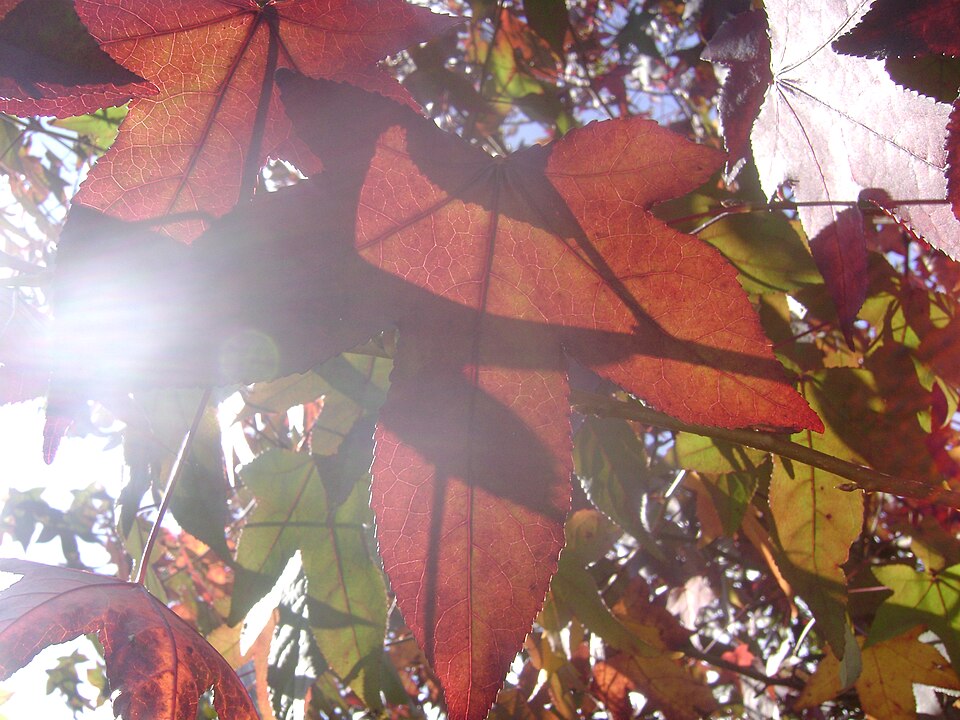
Liquidambar is a genus of about 15 species of deciduous trees in the family Altingiaceae, distributed across eastern North America, Central America, the eastern Mediterranean, and eastern Asia. Mature trees reach 15-45 m (50-148 ft) tall with trunk diameters of 0.6-1.5 m (2-5 ft), forming a pyramidal crown when young that broadens to a rounded outline with age. The alternate leaves are palmately 5- to 7-lobed, 7-19 cm (3-7.5 in) across, with finely toothed margins and a star-shaped outline; crushed foliage releases a resinous scent. Autumn color ranges through yellow, orange, red, and purple, often with several shades on one tree. Liquidambar styraciflua of North America and L. formosana of Asia are the species most frequently planted. Flowers are small and greenish, the sexes in separate clusters on the same tree, opening in spring as the leaves expand. The fruit is a spiny spherical head 2.5-4 cm (1-1.6 in) across that ripens brown and persists into winter. The hard fruit and shallow, spreading roots limit placement near pavement, paths, and lawns.
Native Range
Liquidambar occurs naturally in eastern North America from Connecticut south to Florida and west to Texas, through Mexico and Central America to Nicaragua, with a separate group of species in Turkey, China, Taiwan, and the mountains of Southeast Asia.Suggested Uses
Sweetgums are grown as shade and street trees and in parks where their autumn color and large size suit open ground. Fruitless or low-fruiting selections are used near paths to reduce litter. The timber is marketed as satin walnut and used for furniture and veneer.How to Identify
Appearance
Size & Dimensions
Height50' - 148'
Width/Spread25' - 50'
Bloom Information
Flowers open in early to mid spring, March to May depending on latitude, as the new leaves expand. The greenish flowers are wind-pollinated and lack petals, the male clusters held in upright spikes and the female heads on slender drooping stalks. They carry little visual presence against the emerging foliage.
Detailed Descriptions
Foliage Description
Green, turning yellow, orange, red, and purple in autumnGrowing Conditions
Sun Requirements
Requires 6-8 hours of direct sunlight daily
• Full Sun: 6+ hours of direct sunlight
• Partial Shade: 3-6 hours of direct sunlight
• Full Shade: Less than 3 hours of direct sunlight
Water & Climate
Water Needs
Care & Maintenance
Care Guide
Most species grow in full sun and tolerate a range of soils, performing most strongly in deep, moist, slightly acidic ground; L. styraciflua develops chlorosis on high-pH soils. Trees form a strong taproot when young and are difficult to transplant once mature. Growth is moderate to rapid, 30-60 cm (12-24 in) per year on favorable sites. Established trees tolerate brief flooding and occasional drought but not prolonged dry conditions. The shallow lateral roots can lift pavement, and the hard fruit creates litter on paths and lawns. Hardiness varies by species, with L. styraciflua surviving to USDA zone 5 and tender Asian species limited to zones 8-9.Pruning
Pruning is carried out in late winter while the tree is dormant, removing dead or crossing branches; the species form a strong central leader and need little shaping. Cuts made in spring bleed sap heavily. Lower limbs are raised gradually over several seasons to clear walkways.Pruning Schedule
Prune: January–February
winter