Linum, Genus, spp., Multiple species,
- Genus
- Multiple species
flaxes
Temperate and subtropical Northern Hemisphere
Overview
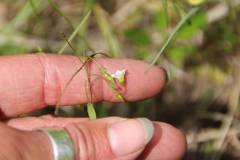
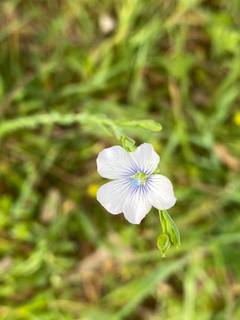
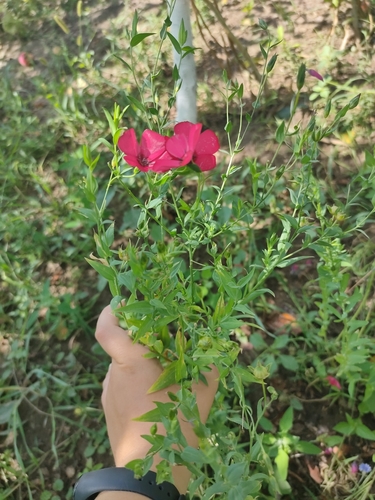
Linum is a genus of about 200 species of annual and perennial herbs and small subshrubs in the family Linaceae, known as flax. Most form slender, upright, wiry stems 8 to 48 in (20 to 120 cm) tall, clothed in narrow, alternate, stalkless leaves. The five-petalled flowers, 0.5 to 1.5 in (1 to 4 cm) across, open in shades of blue, yellow, white, pink, and red, carried in loose clusters at the stem tips; each flower lasts a single day, with petals dropping by afternoon while the plant opens fresh blooms over many weeks. The fruit is a round dry capsule holding several flattened seeds. The genus is spread through temperate and subtropical regions of the Northern Hemisphere, growing in grassland, dry slopes, and open ground. Common flax (L. usitatissimum) has been cultivated for thousands of years for linen fiber from its stems and for linseed oil and edible seed, while perennial blue flax (L. perenne) and others are grown in gardens. The stems contain strong fibers used in textiles, and the seeds of some species hold cyanogenic compounds that are toxic in quantity when raw.
Native Range
Linum is distributed across the temperate and subtropical Northern Hemisphere, with species native to Europe, Asia, North Africa, and North America, and a few in South America. They grow in meadows, prairies, dry rocky slopes, and open disturbed ground.Suggested Uses
Linum is grown in borders, meadows, prairie plantings, and gravel and rock gardens for its slender flowers, and as a crop for linen fiber and linseed. Perennial blue flax weaves airy color through mixed plantings, and annual scarlet flax is sown in wildflower mixes.How to Identify
Appearance
Size & Dimensions
Height8" - 4'
Width/Spread6" - 1'6"
Bloom Information
Linum blooms from late spring through summer, roughly May to August, with each plant opening a long succession of one-day flowers over several weeks. Flowers open in morning sun and drop their petals by afternoon. Annual species flower once and set seed, while perennials return to bloom for several years.
Detailed Descriptions
Flower Description
blue, yellow, white, pink, or redFoliage Description
green to blue-greenGrowing Conditions
Sun Requirements
Requires 6-12 hours of direct sunlight daily
• Full Sun: 6+ hours of direct sunlight
• Partial Shade: 3-6 hours of direct sunlight
• Full Shade: Less than 3 hours of direct sunlight
Care & Maintenance
Care Guide
Linum species grow in full sun on light, well-drained soil at pH 6.0 to 7.5 and tolerate poor, dry, sandy, or rocky ground once established. They flower poorly in shade, rich soil, or wet sites, where the slender stems flop and rot. Perennial flaxes are short-lived but self-sow, and most tolerate cold across USDA zones 5 to 9, while annual species complete their cycle in one season. Plants are usually grown from seed sown where they are to flower, since the deep-rooted seedlings move poorly. Little feeding is needed, and overly fertile soil reduces flowering.Pruning
Shearing perennial flax lightly after the first flush can bring a second, smaller round of bloom. Spent annual plants are pulled once seed has set, or left to self-sow. Cutting back leggy growth in summer keeps perennial clumps upright.Pruning Schedule
Prune: July
summer
Container Growing
Suitable for container growing