Lagenophora, Genus, spp., Multiple species,
- Genus
- Multiple species
Southern Hemisphere (Australasia, SE Asia, South America)
Overview
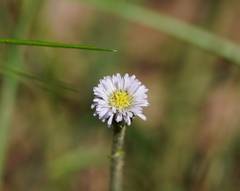
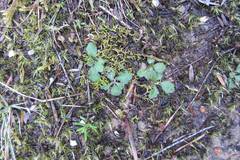
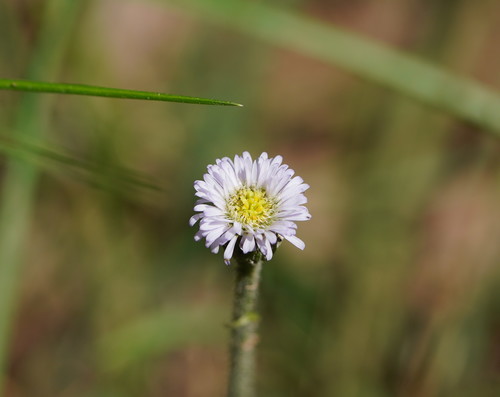
Lagenophora is a genus of about twenty small daisies in the family Asteraceae, spread through the cooler Southern Hemisphere, including Australia, New Zealand, New Guinea, Southeast Asia, and South America. Plants form low rosettes or creeping mats of small, spoon-shaped to lobed leaves 0.4-2.5 inches (1-6 cm) long, often pressed close to the ground. From the rosette rise slender, leafless stalks 1-8 inches (2.5-20 cm) tall, each topped by a single daisy flowerhead 0.2-0.6 inch (5-15 mm) across with white to mauve or pale blue ray florets around a yellow centre. As the seed ripens the head produces flask-shaped, sticky-tipped achenes that cling to passing animals. Many species grow in damp grassland, woodland clearings, and streamsides, spreading slowly by short runners or seed. Lagenophora forms a low, neat groundcover in cool, moist conditions but is small enough to be lost among taller plants and grows poorly in prolonged heat and drought.
Native Range
Lagenophora is native to the temperate and subtropical Southern Hemisphere, with species in Australia, New Zealand, New Guinea, Southeast Asia, and South America. Plants grow in damp grassland, open forest, woodland clearings, and along streambanks, mostly in cool, moist sites.Suggested Uses
Lagenophora is used as a small-scale groundcover, in rock gardens, lawn-like plantings, and the gaps between paving in cool, moist gardens. Its low rosettes and small daisies suit naturalistic and native plantings in mild climates. The plants are too small and moisture-dependent for hot, dry, or heavily planted borders.How to Identify
Appearance
Size & Dimensions
Height1" - 8"
Width/Spread4" - 1'
Bloom Information
Flowering occurs mainly from spring through summer, with some species blooming over a long season in mild climates. Each slender stalk carries one flowerhead, and a plant produces a succession of them over several weeks. Seed heads with sticky achenes follow each flower.
Detailed Descriptions
Flower Description
white to mauveFoliage Description
greenGrowing Conditions
Sun Requirements
Requires 3-8 hours of direct sunlight daily
• Full Sun: 6+ hours of direct sunlight
• Partial Shade: 3-6 hours of direct sunlight
• Full Shade: Less than 3 hours of direct sunlight
Care & Maintenance
Care Guide
Plants grow in full sun to part shade on moist, free-draining soils rich in organic matter. Steady moisture suits them, and they grow poorly in hot, dry, or compacted ground. Most species tolerate light frost but are not suited to severe winters or to long droughts. The low rosettes are easily overgrown, so they need open ground or short companions rather than dense, tall planting. Little feeding is needed in reasonable soil. Plants spread gently by runners and self-sown seed where conditions stay cool and damp.Pruning
No pruning is needed. Spent flower stalks can be trimmed for tidiness, and crowded mats can be lifted and divided in spring to spread plants. Removing seed heads limits self-seeding where it is not wanted.Pruning Schedule
spring
Container Growing
Suitable for container growing
Minimum container size: 1 gallons