Justicia, Genus, pilosella, Species,
- Genus & species
Gregg's tube tongue
Southern Texas and northeastern Mexico
Overview
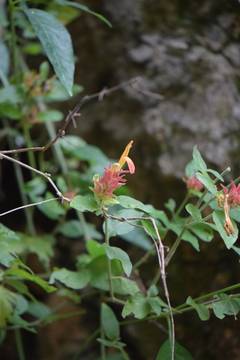
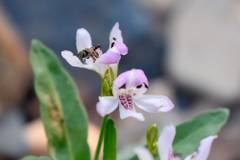
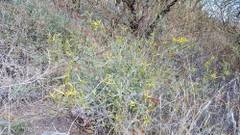
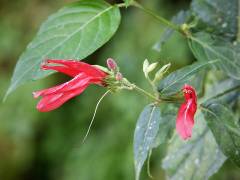
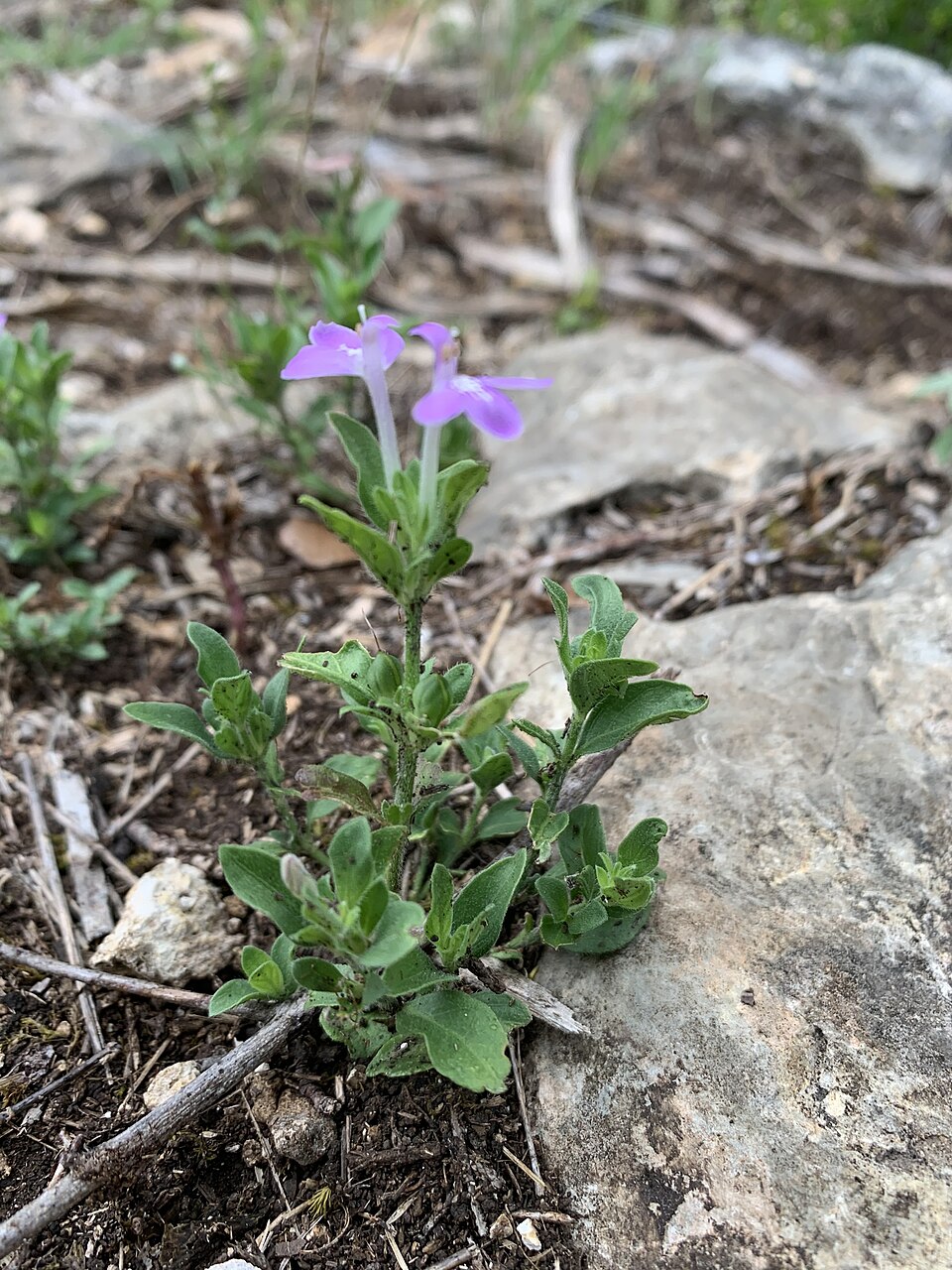
Justicia pilosella, known as Gregg's tube tongue or hairy tube-tongue, is a low, spreading perennial of southern Texas and northeastern Mexico, growing only 4-12 inches (10-30 cm) tall and slightly wider. It forms a wiry, finely hairy mound of small, oval to lance-shaped leaves 0.5-1.5 inches (1.3-4 cm) long on slender stems. From spring through fall, especially after rain, it bears slim two-lipped tubular flowers about 0.75 inch (2 cm) long, in orange-red to salmon or brick tones, held singly in the leaf axils. Hummingbirds and butterflies visit the tubular flowers, and it serves as a larval host for some butterfly species. J. pilosella grows on dry, rocky, limestone and caliche soils in thornscrub, brushland, and open ground. It tolerates heat, drought, and poor alkaline soil once established, staying low and compact. Its small size and modest flowering give limited mass in a planting, and it can look sparse outside its peak bloom flushes.
Native Range
Native to southern Texas and northeastern Mexico, especially the Rio Grande plains and adjacent Tamaulipas, Nuevo Leon, and Coahuila. It grows on dry, rocky, limestone and caliche soils in thornscrub, brushland, and open flats.Suggested Uses
Grown in rock gardens, dry borders, xeriscapes, and native and pollinator plantings across hot, low-water regions. Its low habit suits the front of beds, gaps between stones, and small containers. The tubular flowers support hummingbirds and butterflies in habitat gardens.How to Identify
Appearance
Size & Dimensions
Height4" - 1'
Width/Spread8" - 1'4"
Bloom Information
Tubular orange-red flowers appear from spring through fall, flushing most strongly after rain in warm weather. Individual flowers are short-lived, but the plant reblooms in waves through the warm months. Bloom slows in drought and stops with cold.
Detailed Descriptions
Flower Description
orange-red to salmonFoliage Description
greenGrowing Conditions
Sun Requirements
Requires 6-12 hours of direct sunlight daily
• Full Sun: 6+ hours of direct sunlight
• Partial Shade: 3-6 hours of direct sunlight
• Full Shade: Less than 3 hours of direct sunlight
Care & Maintenance
Care Guide
Grow in full sun to light shade on dry, well-drained, rocky or sandy alkaline soil, including limestone and caliche. Water occasionally to establish, then rely mainly on rainfall, as the plant tolerates drought and declines in wet, poorly drained ground. It needs little or no fertilizer in lean native soil. In zones 8 and warmer it is grown outdoors year-round, dying back in hard freezes and resprouting from the base. A light trim keeps the low mound dense and tidy. Propagation is from seed or from softwood cuttings taken in the warm season.Pruning
Pruning is minimal. A light shearing after a bloom flush or in late winter keeps the plant compact and encourages fresh growth and more flowers. Frost-damaged stems are cut back to live wood in spring.Container Growing
Suitable for container growing
Minimum container size: 1 gallons