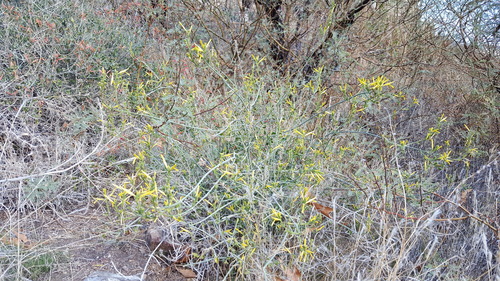
Justicia, Genus, spp., Multiple species,
- Genus
- Multiple species
Tropical and subtropical regions worldwide, especially the Americas
Overview
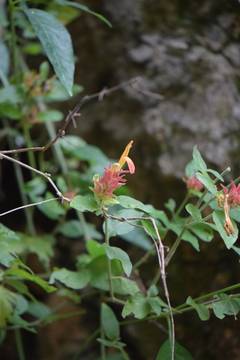
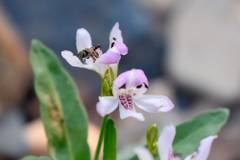
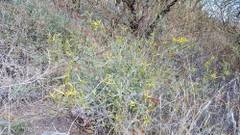
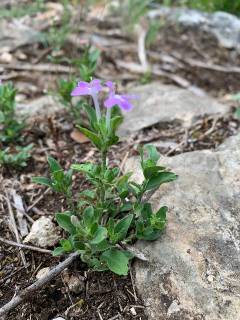
Justicia is a large genus of about 600 to 700 species of shrubs, subshrubs, and perennials in the family Acanthaceae, spread through tropical and subtropical regions worldwide and most diverse in the Americas. Plants range from low perennials to shrubs 1 to 6 ft (30 to 180 cm) tall, with opposite, often soft-textured leaves on square or rounded stems. The flowers are tubular and two-lipped, carried in spikes or clusters that are frequently wrapped in showy bracts; flower and bract color spans red, pink, orange, yellow, and white. J. brandegeeana, the shrimp plant, is named for its overlapping coppery bracts, while J. carnea carries upright plumes of pink flowers and J. americana is a hardy North American water willow of stream margins. The tubular flowers and bracts draw hummingbirds and butterflies, and many species bloom over a long season. Limitations include frost sensitivity in most species, legginess without pruning, and a tendency to wilt quickly in drought.
Native Range
Justicia occurs through the tropics and subtropics of the Americas, Africa, Asia, and Australia, with the greatest number of species in tropical America. J. americana ranges across the central and eastern United States along streams and ponds, while most ornamental species come from Mexico, Central America, and Brazil. Plants grow in forest understory, along watercourses, and in scrub.Suggested Uses
Justicia is grown as a flowering shrub in tropical and subtropical borders, as a container and conservatory plant in cooler regions, and, in the case of J. americana, as a native plant for pond and stream margins. The nectar-rich flowers suit hummingbird and butterfly gardens. Compact species are used as houseplants in bright rooms.How to Identify
Appearance
Size & Dimensions
Height1' - 6'
Width/Spread1' - 4'
Bloom Information
Justicia flowers over a long warm season, blooming from spring through autumn in temperate gardens and nearly year-round in frost-free climates. The shrimp plant holds its colored bracts for weeks while small white flowers emerge from them in succession. Hummingbirds and butterflies visit the tubular flowers for nectar.
Detailed Descriptions
Flower Description
red, pink, orange, yellow, or whiteFoliage Description
green to dark greenGrowing Conditions
Sun Requirements
Requires 4-8 hours of direct sunlight daily
• Full Sun: 6+ hours of direct sunlight
• Partial Shade: 3-6 hours of direct sunlight
• Full Shade: Less than 3 hours of direct sunlight
Care & Maintenance
Care Guide
Justicia grows in full sun to partial shade in moist, fertile, free-draining soil with a pH from about 6.0 to 7.0. Plants flower more heavily with steady moisture and light feeding through the warm season, and they wilt quickly when the soil dries out. Most species are frost tender and grown as shrubs in zones 9 and warmer or as container and indoor plants elsewhere; J. americana is hardier and dies back to hardy roots. Plants grow leggy and bare at the base over time, which regular pruning corrects. Whitefly and spider mites can trouble plants grown under glass.Pruning
Justicia is cut back by a third to a half after the main flush of bloom to keep it bushy and to renew flowering wood. Pinching the stem tips on young plants builds a fuller shape. Old, woody specimens are cut back hard in spring to force fresh growth from the base.Container Growing
Suitable for container growing