Iris, Genus, virginica, Species,
- Genus & species
Virginia iris
Eastern North America — from Virginia south to Florida and west to Texas, in coastal marshes and wet meadows
Overview
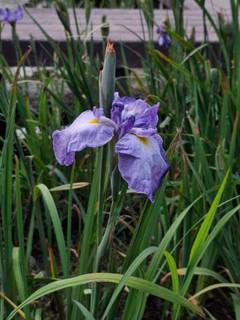
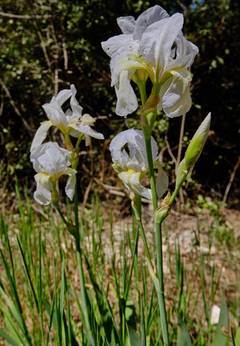
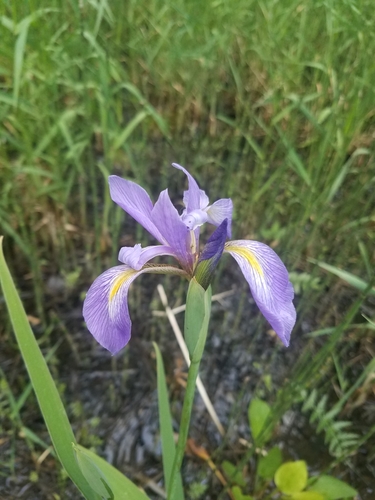
Iris virginica is Virginia iris (southern blue flag) — the southeastern native water iris, growing 18–30 inches (45–75 cm) tall and 18–24 inches (45–60 cm) wide. Violet-blue to lavender-blue flowers with yellow signal patches on the drooping falls in late spring to early summer. The southeastern counterpart to the northern I. versicolor (blue flag): I. virginica has a more southern range, tolerates slightly warmer and more coastal conditions, and blooms slightly later. Notably salt-tolerant among native irises — growing in brackish coastal marshes as well as freshwater wetlands. Medium green sword-shaped arching foliage. Wet to waterlogged soil — tolerates standing water. Toxic — all parts, especially the rhizomes. Deer avoid the toxic foliage. Hardy to zone 5.
Native Range
Iris virginica is native to eastern North America — from Virginia south to Florida and west to Texas, in coastal marshes and wet meadows.Suggested Uses
Used in rain gardens, pond margins, coastal wetland plantings, and wet meadows. The southeastern native water iris. Salt-tolerant for brackish conditions. The southern companion to the northern I. versicolor.How to Identify
Appearance
Size & Dimensions
Height1'6" - 2'6"
Width/Spread1'6" - 2'
Bloom Information
Detailed Descriptions
Flower Description
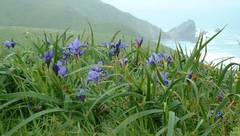
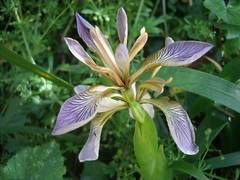
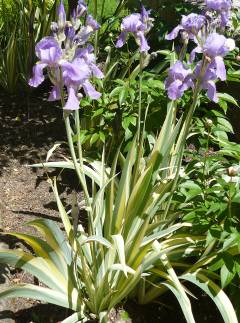
Violet-blue to lavender-blue with yellow signal patches on the fallsFoliage Description
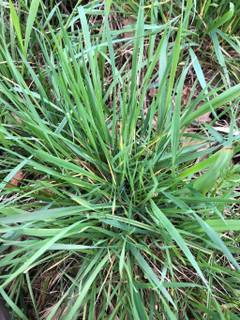
Medium green, sword-shaped, archingGrowing Conditions
Sun Requirements
Requires 5-10 hours of direct sunlight daily
• Full Sun: 6+ hours of direct sunlight
• Partial Shade: 3-6 hours of direct sunlight
• Full Shade: Less than 3 hours of direct sunlight
Care & Maintenance
Care Guide
Plant in full sun to partial shade. Wet to waterlogged soil — tolerates standing water and brackish conditions. Toxic. Hardy to zone 5.Pruning
Remove spent flower stems. Cut foliage back in fall after it browns.Pruning Schedule
Prune: October
fall