Hibbertia, Genus, fasciculata, Species,
- Genus & species
bundled hibbertia
Overview
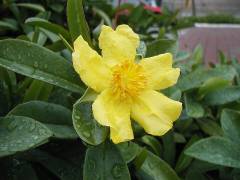
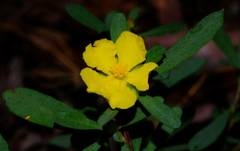
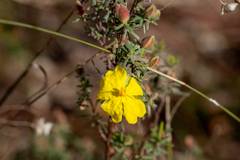
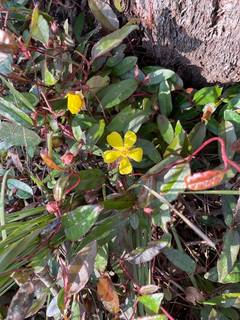
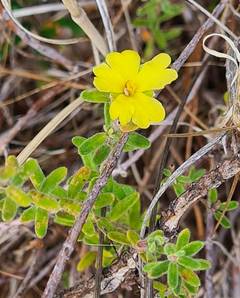
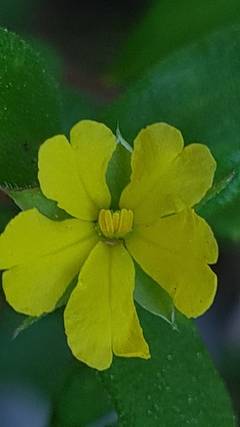
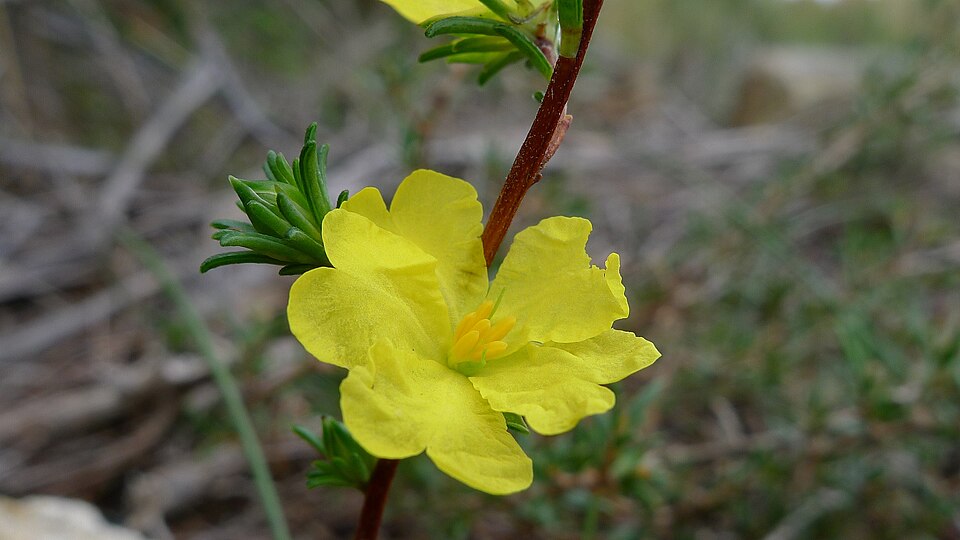
Hibbertia fasciculata is an evergreen shrub reaching 0.3-1 m (1-3 ft) tall with a low, spreading to erect habit and wiry stems. The leaves are narrow and linear, 5-15 mm (0.2-0.6 in) long, with inrolled margins, crowded in bundles (fascicles) along the stems, which gives rise to the common name. Five-petalled yellow flowers 1-2 cm (0.4-0.8 in) across open singly along the stems, each petal notched at the tip, with a cluster of central stamens. Flowering occurs mainly in spring and early summer, with scattered flowers at other times. The fruit is a small dry capsule. Growth is moderate, and plants form a low bush within 2-3 years. The species grows in heath and dry sclerophyll woodland on sandy and peaty soils, often in seasonally moist ground. It tolerates light frost and short dry periods but declines in heavy, poorly drained soils and in deep shade.
Native Range
Native to southeastern Australia, including New South Wales, Victoria, and Tasmania, in heath, sedgeland, and dry sclerophyll woodland on sandy and peaty soils, often in seasonally wet sites.Suggested Uses
Grown in native gardens, rockeries, and heath and woodland restoration, spaced 0.4-0.6 m (16-24 in) apart. The low habit suits banks, borders, and containers of at least 20-25 cm (8-10 in). The yellow flowers draw native bees and other insects.How to Identify
Appearance
Size & Dimensions
Height1' - 3'3"
Width/Spread1' - 2'
Bloom Information
Flowers mainly in spring and early summer, September to December in southern Australia, with scattered flowers at other times. Individual flowers last a few days, and the main display extends 6-8 weeks. Flowering is heaviest in open, sunny positions.
Detailed Descriptions
Foliage Description
greenGrowing Conditions
Sun Requirements
Requires 5-9 hours of direct sunlight daily
• Full Sun: 6+ hours of direct sunlight
• Partial Shade: 3-6 hours of direct sunlight
• Full Shade: Less than 3 hours of direct sunlight
Care & Maintenance
Care Guide
Grow in full sun to light shade on free-draining sandy or peaty acidic soil that stays moist in the growing season. Water through the first season and during dry spells; the species suits sites with seasonal moisture, not prolonged drought. Heavy, poorly drained soils and deep shade cause decline. A light trim after flowering keeps the habit dense. Plants regenerate from seed and from the base after fire. Few pests cause significant damage.Pruning
Trim lightly after flowering, removing up to one third of recent growth to maintain a compact shape. The plant reshoots from semi-hard wood but recovers slowly from cutting into old bare stems. Spent capsules need no removal.Pruning Schedule
Prune: December–January
summer
Container Growing
Suitable for container growing
Minimum container size: 2 gallons